
Most Innovative Chatbots in 2026 will reshape user engagement with AI-powered chatbots and conversational AI. The blog highlights real-world virtual assistants enhancing automation of customer support, lead generation, and chatbot ROI. You will find statistics, examples, and tables comparing traditional service to chatbot impact, along with guidelines of implementing chatbots for customized experiences.
A majority of innovative chatbots in 2026 are changing how users interact across industries. Around 80% of companies now use or plan to use AI chatbots for customer service. Such applications have evolved from basic FAQ responders into advanced conversational AI platforms that support natural conversations, customization, and even transactions.
Customer expectations are always on the rise. Almost 60 percent of customers think generative AI will alter the way they engage with companies. This blog takes a look at the most innovative chatbots that will keep the user engaged in 2026. You’ll find real chatbot examples, verified statistics, and case studies showing their impact on customer engagement and customer experience.
We also compare traditional engagement methods with chatbot-powered approaches to show how far user engagement has evolved.
Engaging users is no longer a buzzword. It’s a clear business requirement.
Studies show that engaged customers:
- Purchase 90% more frequently
- Spend 60% more per transaction
AI chatbots serve to fuel this type of interaction with its instant, personal, and 24/7 responses. It can be the last-minute eCommerce support or assisting a user with a complicated support problem, the current AI chatbots can be fast, convenient, and intelligent in ways that traditional channels cannot.
The Rise of Chatbots as a User Engagement Tool
Not long ago, chatbots were few and frustrating to interact with. Most relied on scripted responses and offered little real value. With significant developments in machine learning and natural language processing, this has changed and ushered in modern conversational AI.
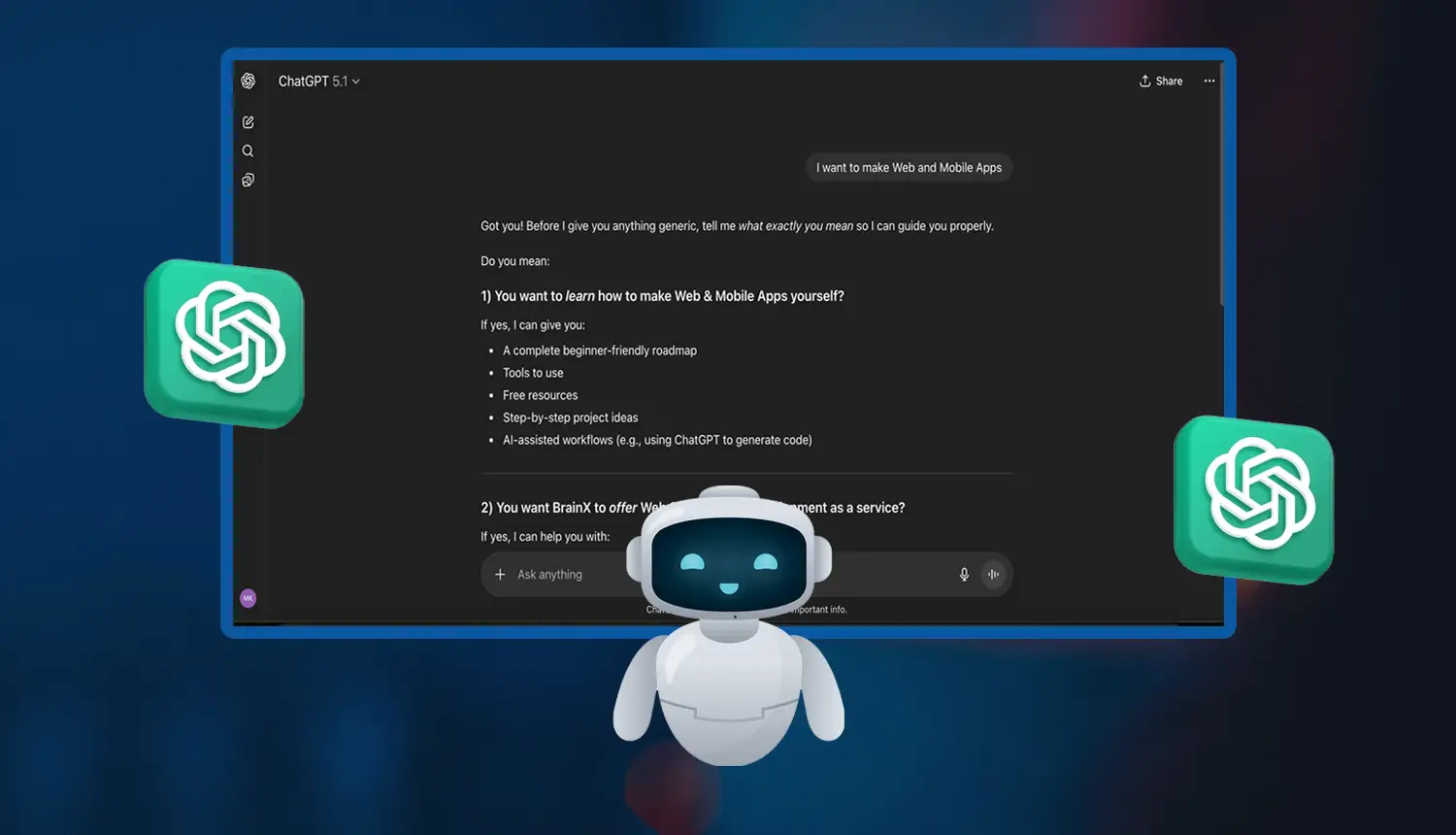
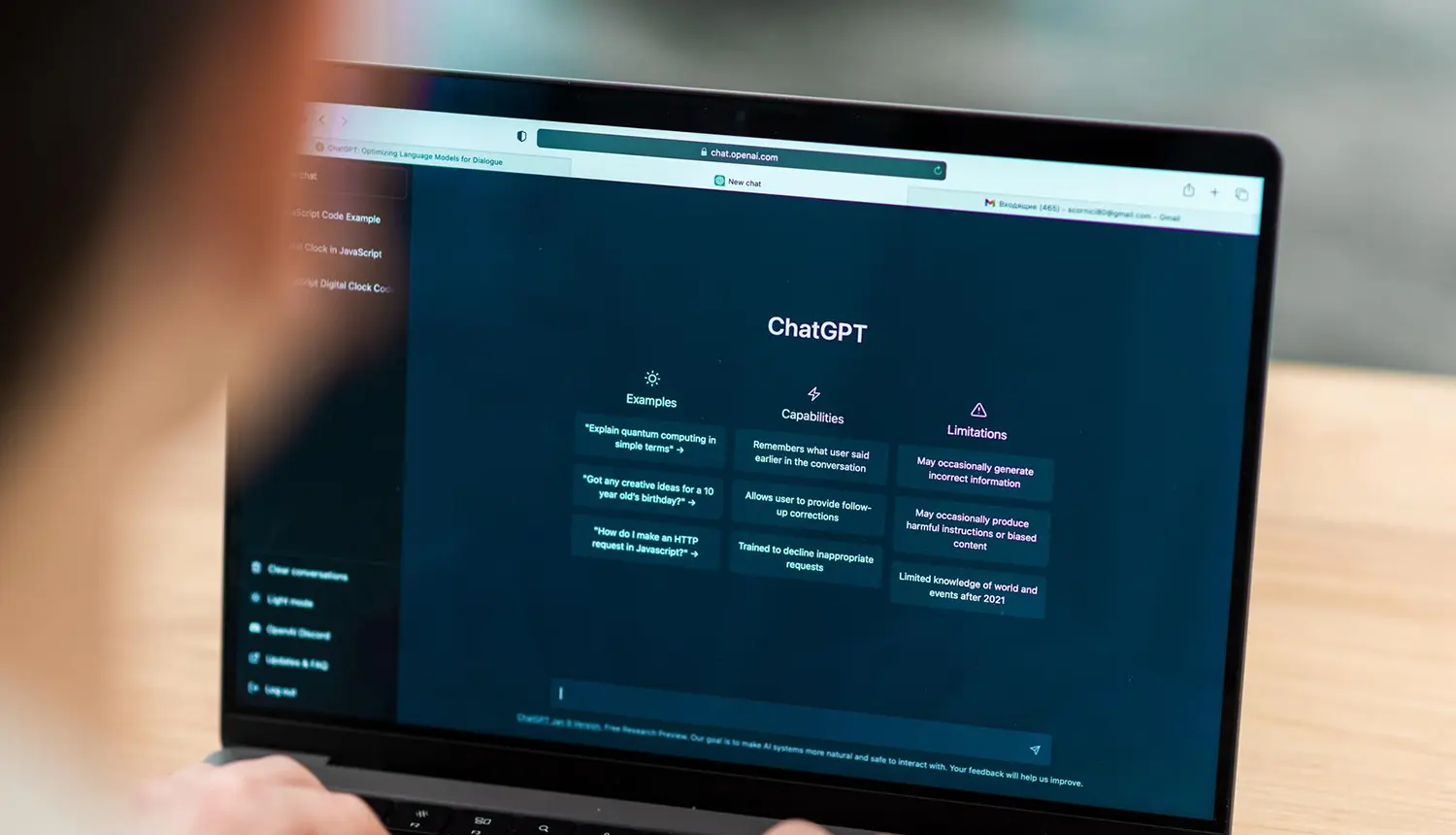
One of the most notable events was the launch of OpenAI’s ChatGPT, which had 100 million users within two months, becoming the fastest-growing consumer application of all time. This confirmed that AI chatbots can be human-like, helpful and interesting to converse with.
Nowadays, companies of any size are using similar AI chatbots on or in their web pages, mobile applications, and messaging systems to transform the way brands manage their interactions with users.
The level of trust and comfort that consumers have in or feel around chatbots has also improved.
Recent surveys show:
- 83% of customers feel more loyal to brands that respond quickly
- Nearly two-thirds say respecting their time matters most
- Chatbots take an average response time of about 5 seconds when it’s around 51 seconds in case of human agents
Consequently, 58 percent of customers indicate that chatbots have enhanced their expectations of businesses. Consumers are appreciating real-time access and the 24-hour service.
Even when dealing with sensitive or personal questions, a lot of users favor a virtual assistant. Research indicates that customers are more at ease discussing some of their issues with AI chatbots than human operators.
The following are a few examples of the chatbots, which demonstrate how the companies are interacting with the users in 2026, ranging from customer care chatbot solutions to conversational marketing tools.
These are not basic bots. They have an innovative design, a powerful AI capacity, and a good understanding of the actual customer issues. In the following sections, we shall break down how such chatbots operate, their innovativeness, and the outcomes they produce in terms of customer interaction, lead-generation, and customer experience in general.
Some of the Most Innovative Chatbots Transforming Customer Service
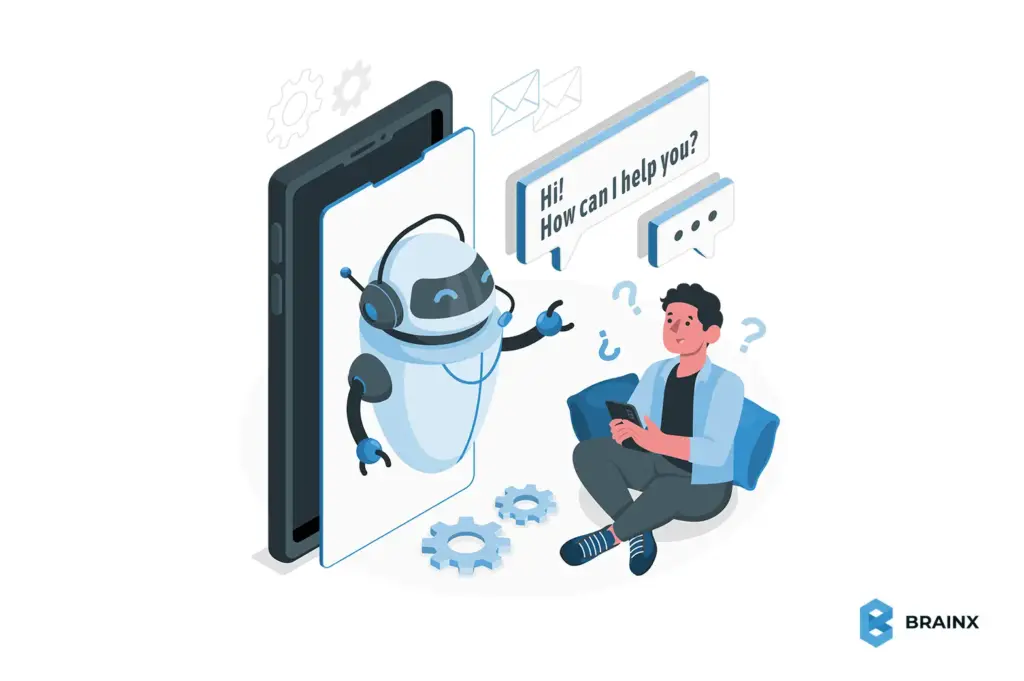
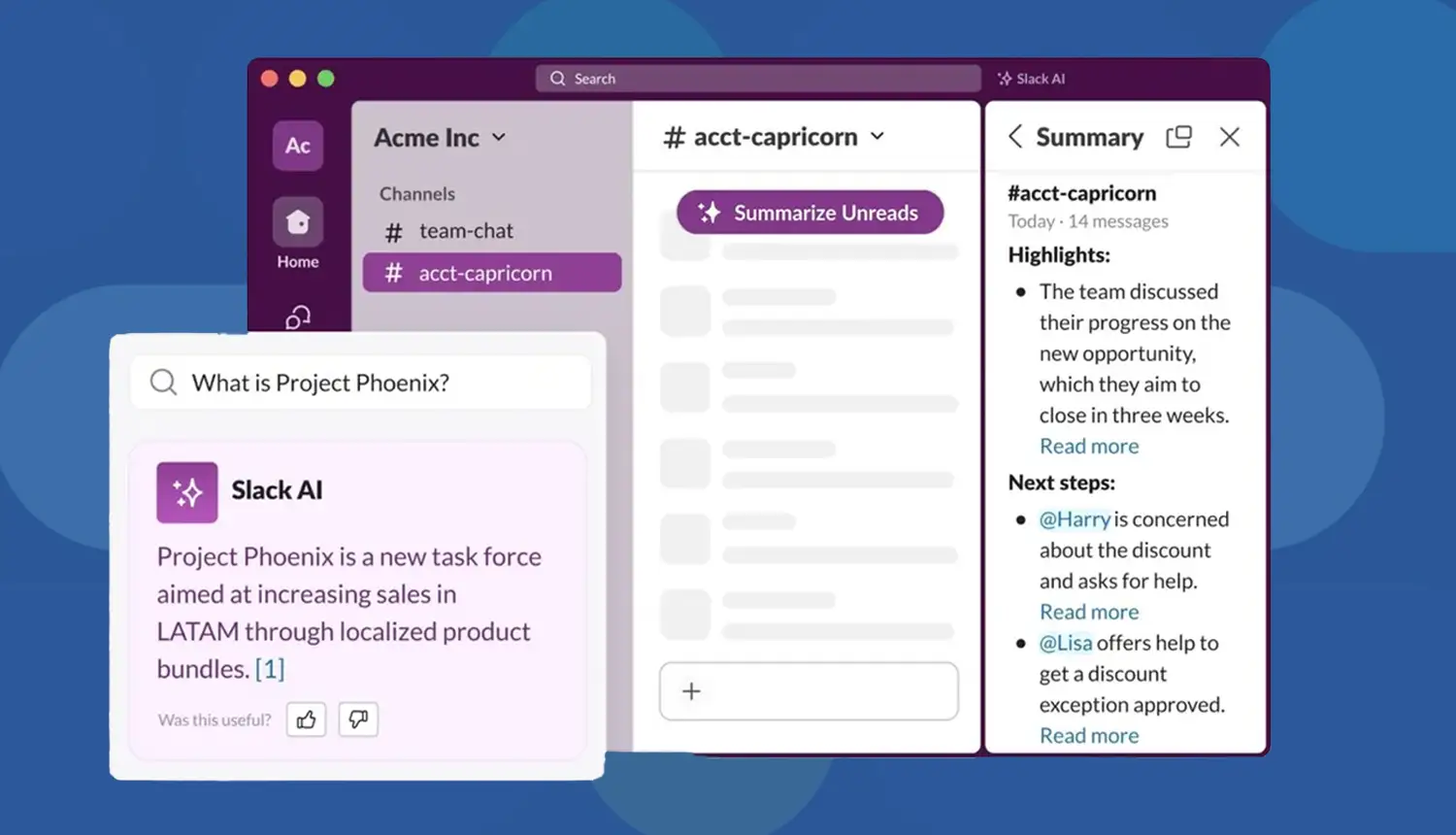
One of the biggest impacts of AI chatbots is in customer service and support. Nowadays, conversational AI is capable of addressing a significant portion of common questions at a fraction of the cost and time of the support team. Such systems interpret natural language, search large knowledge bases and give correct responses in real-time.
What is even more essential, a customer service chatbot can also transfer a conversation to a human agent in case the issue is complicated. A hybrid solution allows more consistent, user-friendly customer experience without costing more time.
The following are a few outstanding chatbot examples that will determine customer engagement in 2026.
1. Lemonade’s “Maya” – Insurance Virtual Assistant
Lemonade launched Maya, an artificial intelligence virtual assistant created to streamline the insurance experience. Starting with creating quotes to submitting claims, Maya takes the user through every step. The virtual assistant makes it very easy by using a friendly and deeply understanding tone during all the interactions.
Maya asks simple questions and completes processes in minutes. Due to this, she is now receiving 25 percent of the total number of customer requests and has contributed to the sale of 1.2 million insurance plans over three years. The process automation made customer experience better and even cut costs of operations by a significant margin. Maya also scales effortlessly to offer 24/7 support without any delays.
2. Capital One’s Eno – Always-On Banking Chatbot
In banking, Capital One’s Eno stands out as a reliable AI chatbot for daily financial interactions. Available via text and mobile app, Eno helps users check balances, track spending, review transactions, and receive fraud alerts.
Eno’s conversational AI allows customers to ask questions naturally and receive instant responses at any time. During the COVID-19 pandemic, Eno supported the distribution of $1.2 billion in PPP loans, proving its value beyond routine banking tasks. This accessibility and speed have driven higher user engagement and satisfaction.
3. Mastercard’s KAI – Personalized Financial Coach
Mastercard’s KAI goes beyond basic transactions. It plays the role of a smart financial coach, which assists users in gaining insights on their spending patterns, budgeting, and making sound decisions regarding finances via conversational exchanges.
KAI provides human-like and helpful tips using AI and natural language processing. Mastercard has recorded an average engagement rate of 70 percent, as well as enhanced retention and a 12-point growth in the brand’s reputation. KAI clearly demonstrates the potential of conversational AI in developing trust and customer asset retention in the long run.
4. KLM’s “BlueBot” – AI Travel Assistant
The BlueBot by KLM helps customers on platforms such as WhatsApp and Facebook Messenger. It can help you book flights, check into hotels, modify itineraries, and find the best places to go. BlueBot serves as a complete travel virtual assistant throughout your trip.
BlueBot is integrated into the KLM backend systems and enables the possibility of booking changes and retrieving a boarding pass. Consequently, KLM increased booking volume by two times on messaging channels and lowered agent workload. The chatbot has a 4.7/5 rating, which demonstrates its effect on the customer experience.
5. Ada Health – AI Health Symptom Checker
Ada Health demonstrates how AI chatbots extend beyond commerce and into healthcare. Ada utilizes conversational AI and medical expertise to evaluate the symptoms and offer personalized advice by asking structured questions.
Over 60 percent of patients using digital health care use AI medical assistants such as Ada, and 80 percent of hospitals currently use AI to improve care workflows. Clinicians frequently respond to complex cases; whereas Ada is often the initial contact with a patient that means they can get faster assistance.
The above mentioned chatbot examples highlight how most innovative chatbots in 2026 are redefining customer service. Users enjoy immediate feedback, one-on-one support and the 24/7 access. Consequently, businesses become more efficient, scalable and consistent.
To have a clear picture of this impact, the following section compares traditional customer support to chatbot-powered methods and demonstrates that conversational AI can provide quantifiable benefits in customer engagement and experience.
Traditional Customer Support vs. AI Chatbot Support
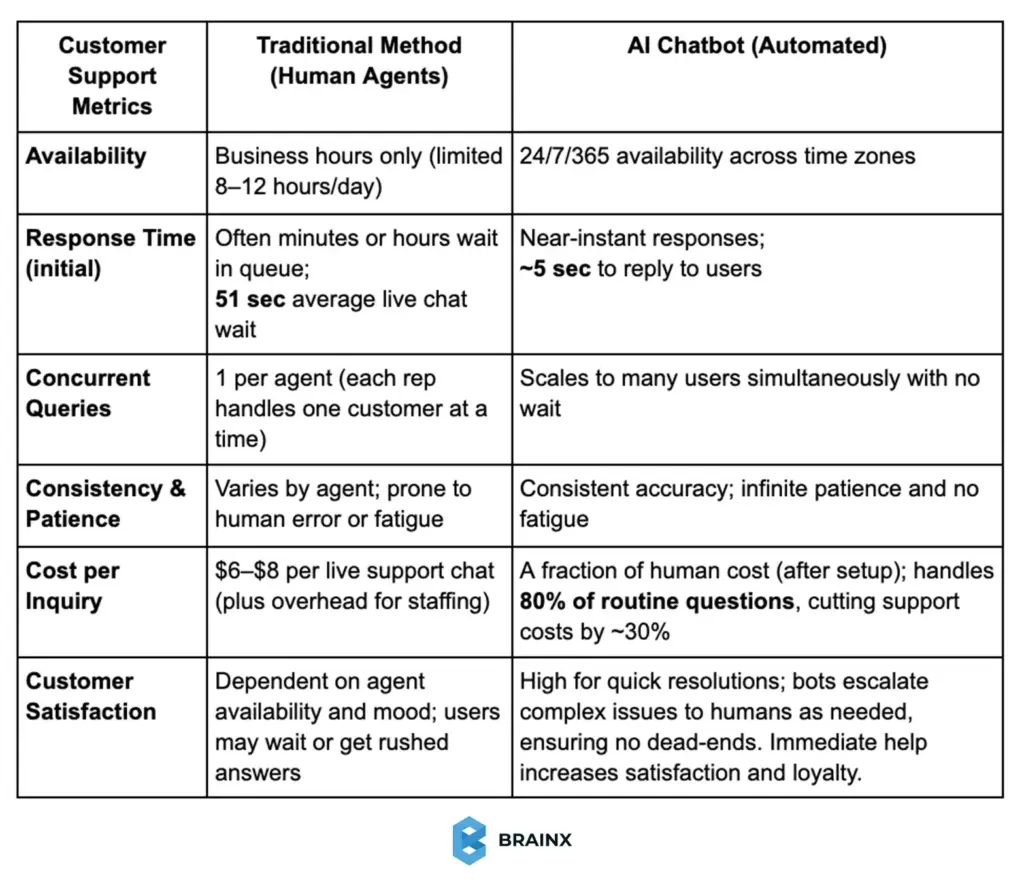
Chatbots are less costly and respond quicker to simple needs, as they support human agents in complex tasks.
The table highlights why companies are deploying chatbots en masse. An IBM report found that chatbots can handle up to 80% of routine inquiries and reduce support costs by 30%. In addition, as opposed to human beings, bots do not sleep so the 24/7 support is indeed a game-changer, given that 75% of consumers expect on-demand help. It is evident that in 2026, customer care chatbots are and will be able to do more than answer the FAQs as they will be serving as frontline service reps to improve customer experience and cut down on operational expenses.
Chatbots Pushing Sales, Marketing & User Engagement
In addition to support, AI chatbots have also become strong digital marketing, sales, and interactive branding assistants. Most innovative chatbots in 2026 can be found on the list of revenue drivers since they are streamlining the discovery process, decision-making, and friction reduction throughout the buying journey.
These bots improve customer engagement by creating real value, either by helping customers discover products, get entertained, or checking out the products at a quicker pace. Below are standout chatbot examples redefining user engagement in the fields of e-commerce, retail, and conversational marketing.
1. Sephora’s Virtual Assistant – Personal Beauty Shopper
Sephora’s virtual assistant is a leading example of personalized shopping powered by conversational AI. Available on web and messaging platforms, it helps users discover products through quizzes and natural conversations.
Key impact highlights:
- Personalized product recommendations and tutorials
- Appointment booking inside chat
- 67% average sales increase reported by brands using similar chatbot shopping assistants
This chatbot enhances the customer experience by replicating in-store consultations at scale.
2. Domino’s “Dom” – Order Pizza with a Chat
Dom is an artificial intelligence-driven ordering assistant that allows chat-based reorders or customization of meals. Customers are able to place their orders within seconds without making a phone call or going through an application.
What makes it tick:
- Remembers past orders, addresses, and payments
- Supports “zero-click” ordering via simple commands
- Handled 1.5+ million conversations and saved $500,000 in support costs
Dom proves how AI chatbots boost user engagement and repeat purchases.
3. Starbucks “Barista” Chatbot – Coffee Ordering Made Easy
The in-app chatbot of Starbucks enables customers to place orders through voice or text. Combined with rewards, it provides highly personalized recommendations and makes repeat buying easier.
Business results include:
- 10% of all U.S. mobile orders within the first year
- 20% increase in average order value
- Higher loyalty through frictionless, conversational ordering
This chatbot blends customer engagement with seamless commerce.
4. 1-800-Flowers “Gwyn” – Gift Shopping via Chat
Gwyn acts as a conversational shopping guide, asking contextual questions to recommend gifts. Available on Messenger and web, it mimics the role of an in-store associate.
Notable outcomes:
- 70% of chatbot orders came from new customers
- Strong example of a lead generation chatbot
- Effective use of conversational discovery to drive conversions
Gwyn demonstrates how chatbots support both engagement and acquisition.
5. Mountain Dew’s “DEWBot” – Gaming Campaign Engagement
DEWBot was designed for brand engagement, not support or sales. Built for Twitch, it interacted with fans through polls, updates, and live voting.
Campaign results:
- 550% increase in in-stream conversations
- Award-winning engagement performance
- Strong Gen Z brand connection through conversational marketing
This shows how chatbots can drive emotional engagement at scale.
6. Disney’s Movie Promo Chatbots – Interactive Storytelling
Disney’s promotional chatbots transformed movie marketing into interactive storytelling. Fans chatted with characters, solved mysteries, and purchased tickets inside conversations.
Why it worked:
- Interactive narratives kept users engaged longer
- Chat replaced passive ads with immersive experiences
- Strengthened emotional connection with audiences
These bots shed some light on how conversational AI made brand storytelling more interactive and engaging.
What These Chatbot Examples Tell Us
In all industries, the trend is similar:
- Chatbots meet users where they already are
- Conversations replace friction-heavy journeys
- Engagement feels personal, not automated
As a result, businesses see:
- Higher conversions
- Stronger customer experience
- Improved loyalty and satisfaction
To demonstrate the effectiveness of chatbot-driven marketing, let’s now compare the conventional outreach to chatbot-backed engagement.
Traditional Email Marketing vs. Chatbot Messaging
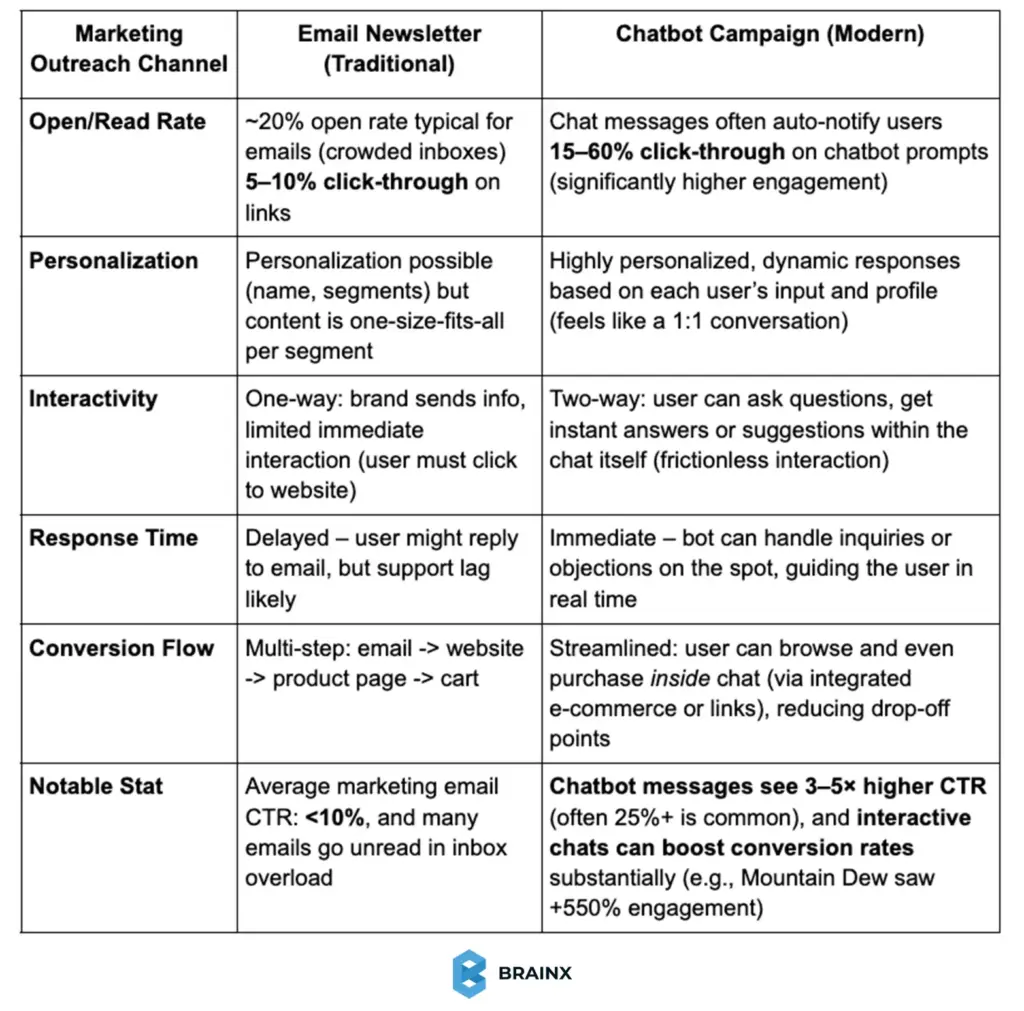
Chatbots offer more interactive and higher-engagement outreach.
As demonstrated, the chatbot-based marketing tends to significantly exceed the traditional channels in terms of engagement metrics. Bots cut through the clutter of the crowded inbox and app notifications with their personalized and interactive designs.
A conversational prompt (i.e., Hi, need gift ideas? 😊 Let me help!) will be responded to more by the users compared to a plain email blast. Additionally, chatbots can filter leads during the conversation and transfer high-intent customers to human sales agents at the optimal time that helps the sales funnel become more efficient.
Creative and Niche Chatbots Enhancing Experiences
Outside of big brands and commerce, it is also notable that there are a number of creative chatbots that are niche in their purposes, or simply pushing the envelope of conversational AI:
1. Casper’s Insomnobot 3000
Insomnobot 3000 is a humorous late-night chatbot designed by the mattress startup company Casper. The insomniac friendly bot is set to chat with users late into the night and usually in the hours between 11 p.m. and 5 a.m. to alleviate the loneliness of sleepless nights.
The chatbot isn’t intended for selling products, advertising or promoting offers. Instead, it focuses purely on conversation, helping humanize the brand. As Lindsay Kaplan of Casper explained, “We wanted to make a bot that made 3 a.m. a little less lonely.” This approach earned strong media attention and demonstrated how chatbots can create emotional customer engagement through simple interactions.
2. Woebot – AI Mental Health Chatbot
Woebot is an artificial intelligence chatbot created to assist with the cognitive-behavioral therapy to help users with anxiety or depression. The chat bot reaches out to the user every day, monitors their mood fluctuations and provides viable coping mechanisms in a conversational, friendly manner.
It has been demonstrated that AI therapy chatbots, such as Woebot, can provide a 64 percent higher depression symptom reduction in combination with conventional therapy. As mental health professionals can only be accessed by the global population of no more than 13 per 100,000 people, Woebot bridges the care gap by ensuring a quick, accessible method of support.
3. UNICEF’s U-Report – Chatbots for Social Impact
The U-Report chatbot is a social engagement (not profit-oriented) chatbot created by UNICEF. It allows the youth in third world countries to take part in polls and give their feedback via simple text messages.
U-Report, in Liberia, collected responses of 13,000 students and it has been found that 86 percent have been coerced by teachers. The data directly influenced policy action later. U-Report shows that customer engagement can also mean empowering communities and driving real-world change through accessible chatbot platforms.
4. ChatGPT and its Successors
Although stated previously, it should be reiterated that the most sophisticated AI chatbots (such as ChatGPT) are constantly raising user expectations. In 2026, ChatGPT and other AI chatbots that use generative AI are already deployed in customer-facing services. They can show up either as website assistants capable of answering sophisticated product queries or a voice assistant that is almost human-like.
Such bots are at the leading edge of innovation that can not only respond, but create content, images or code in real time. Companies are trying these to develop even more interactive experiences (like a travel web site chatbot can immediately compose a tailor-made travel plan, or an interior decor chatbot can suggest design concepts based on your description). The opportunities are multiplying at a fast pace, and the firms that are using these AI innovations are likely to capture the market in a new manner.
Reasons Why Chatbots Are a Game-Changer for Engagement
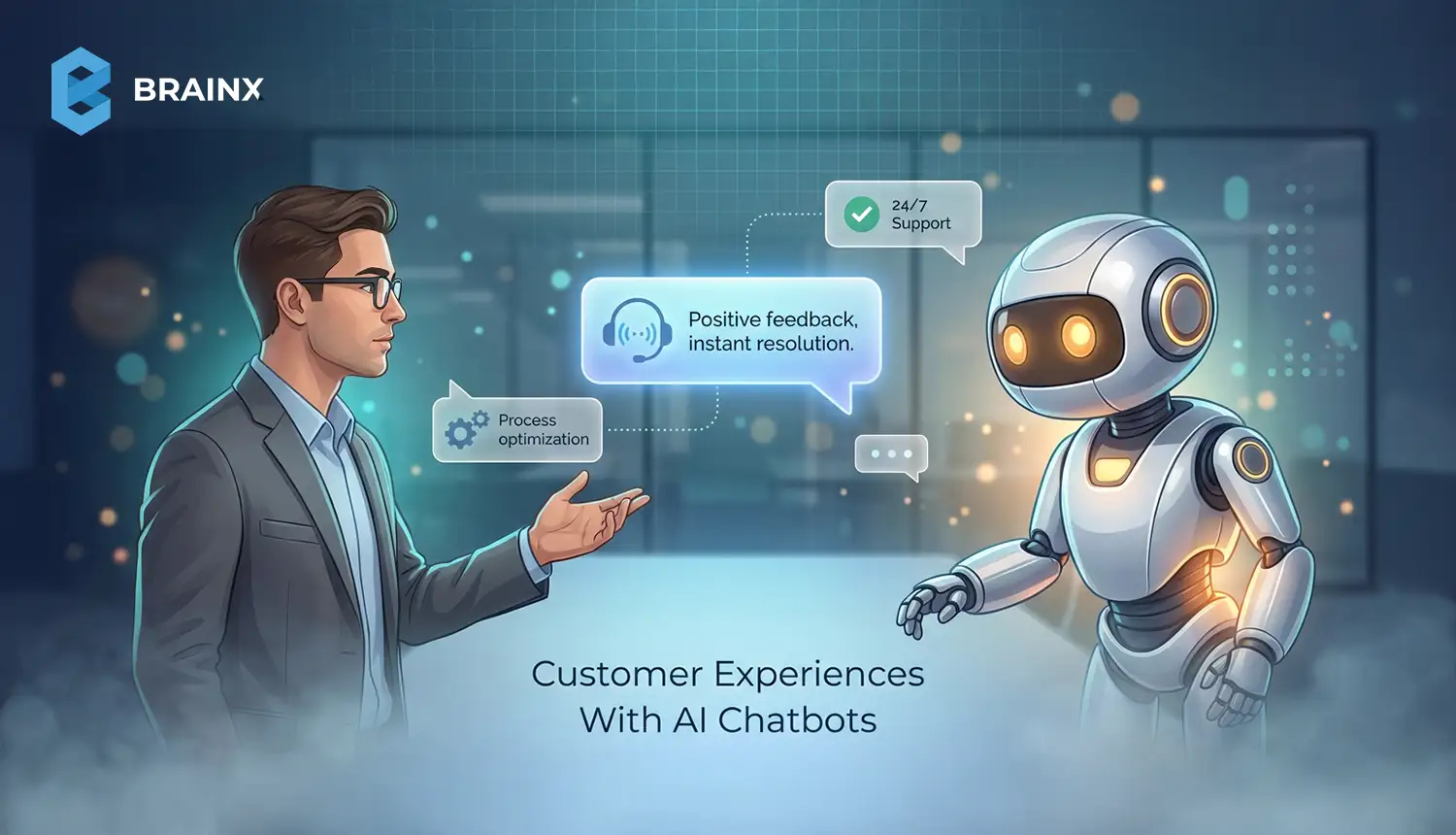
The effects of the current day chatbots extend much further than automation. As we discussed in our deep dive on revamping customer experiences with AI chatbots in 2026, the modern AI chatbots are designed to support, instruct, and engage users in the customer journey across the board:
- On-demand, 24/7 service: 24 hours round-the-clock service lowers wait time and does not allow for users to be dropped.
- Personalization at scale: AI chatbots tailor conversations using context and user behavior.
- Higher engagement rates: Conversational communication works better than the non-interactive communication tools such as email.
- Cost and efficiency gains: Automation of routine queries reduces the cost of support.
- Consistency and patience: Chatbots deliver reliable, brand-aligned responses every time.
- Continuous learning: Ongoing optimization improves accuracy, tone, and user satisfaction.
Chatbots can be used to create scalable, empathetic, and impactful customer experiences along with human support.
Conclusion - Adopt Conversational AI for a Better User Experience
The real takeaway from the most innovative chatbots in 2026 is not creating just smarter AI, but better experiences. AI chatbots have become embedded in the way users explore, interact, and receive support from brands. These examples of chatbots demonstrate one apparent direction towards a consistent, personalized user engagement may it be lead generation or conversational marketing chatbots. With conversational AI developing, those businesses interested in the long-term customer experience rather than short-term automation will establish better and more valuable customer engagement.
Build Innovative AI Chatbots Today
BrainX assists enterprises in designing, building, and scaling AI chatbots and intelligent assistants tailored to real business workflows. Our teams are delivering conversational AI solutions, secure integrations, and lead generation solutions that provide measurable growth in customer engagement, efficiency, and long-term customer experience across the modern digital ecosystem.
Most Asked Chatbot Questions in 2026
1. What are the Most Innovative Chatbots in 2026?
The Most Innovative Chatbots in 2026 are AI chatbots powered by advanced conversational AI, generative models, and real-time data. They go beyond FAQs by delivering personalized user engagement, automating customer service, supporting sales, and acting as virtual assistants across websites, apps, and messaging platforms.
2. How do AI chatbots improve customer engagement?
AI chatbots improve customer engagement by offering instant, 24/7 responses, personalized recommendations, and conversational experiences. Unlike traditional support, a customer service chatbot adapts to user intent, remembers context, and reduces friction, leading to higher satisfaction, retention, and overall customer experience.
3. Are chatbots better than traditional customer support?
Yes, in many cases. AI chatbots handle up to 80% of routine queries faster and at lower cost than human agents. While complex issues still need humans, chatbots enhance efficiency, scalability, and user engagement by resolving common requests instantly and escalating when needed.
4. What industries benefit most from conversational AI?
Conversational AI delivers strong results in finance, healthcare, eCommerce, travel, SaaS, and retail. Industries using virtual assistants, lead generation chatbots, and conversational marketing tools see improvements in response time, conversions, and customer experience across multiple digital touchpoints.
5. How do businesses measure chatbot ROI?
Chatbot ROI is measured through reduced support costs, higher conversion rates, increased lead generation, improved response times, and better customer engagement metrics. Businesses also track customer satisfaction scores and retention to evaluate the long-term impact of AI chatbots on user experience.