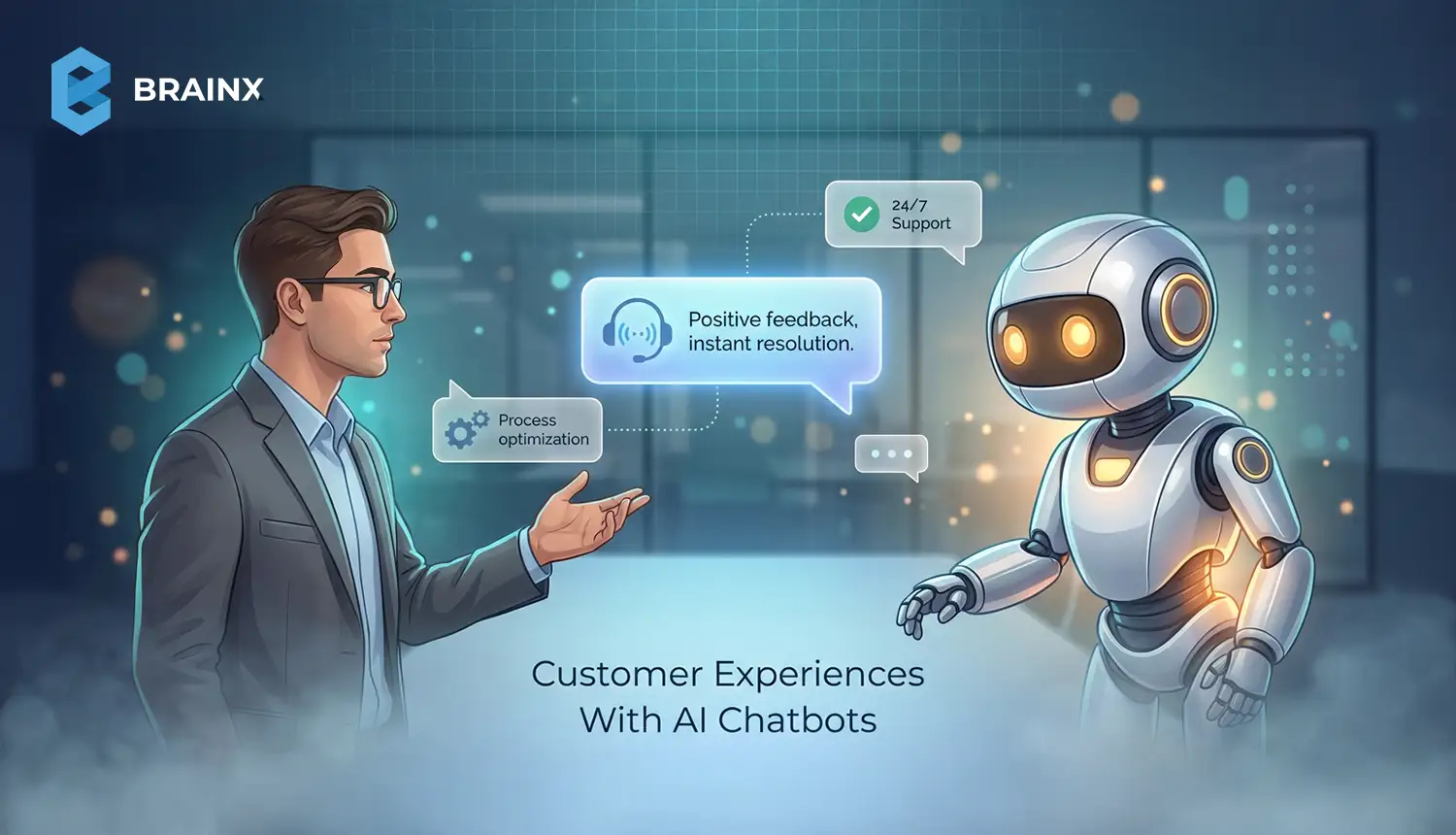

There was a shift towards intelligent conversations based on NLP, machine learning, and large language models because AI chatbots no longer rely on simple rule-based scripts. They allow 24/7 support, reduce expenditure, enhance sales and provide personalization at scale thus fulfilling the business expansion in 2025 and beyond. AI chatbots can be used as 24/7 digital assistants to provide customer services and leads, as well as to optimize the work inside and outside the organization and speed up the ROI process. Any business can start a high-impact chatbot and grow without fear using the right platform, integrations, and strategy.
AI chatbots for business are transforming relationships between companies and clients, while streamlining growth. Since only simple scripted answers were possible, today AI chatbots provide personalised, natural conversations that stimulate interaction and productivity.
“Up to 80% of common customer inquiries can be handled by chatbots and allow companies to reduce support expenses by approximately 30% without slowing down or reducing the quality of service delivery.”
This guide will cover the mechanisms of AI chatbots, their major benefits, its application into practice, and why it will become an essential element of business success in 2025 and beyond.
What is an AI Chatbot?

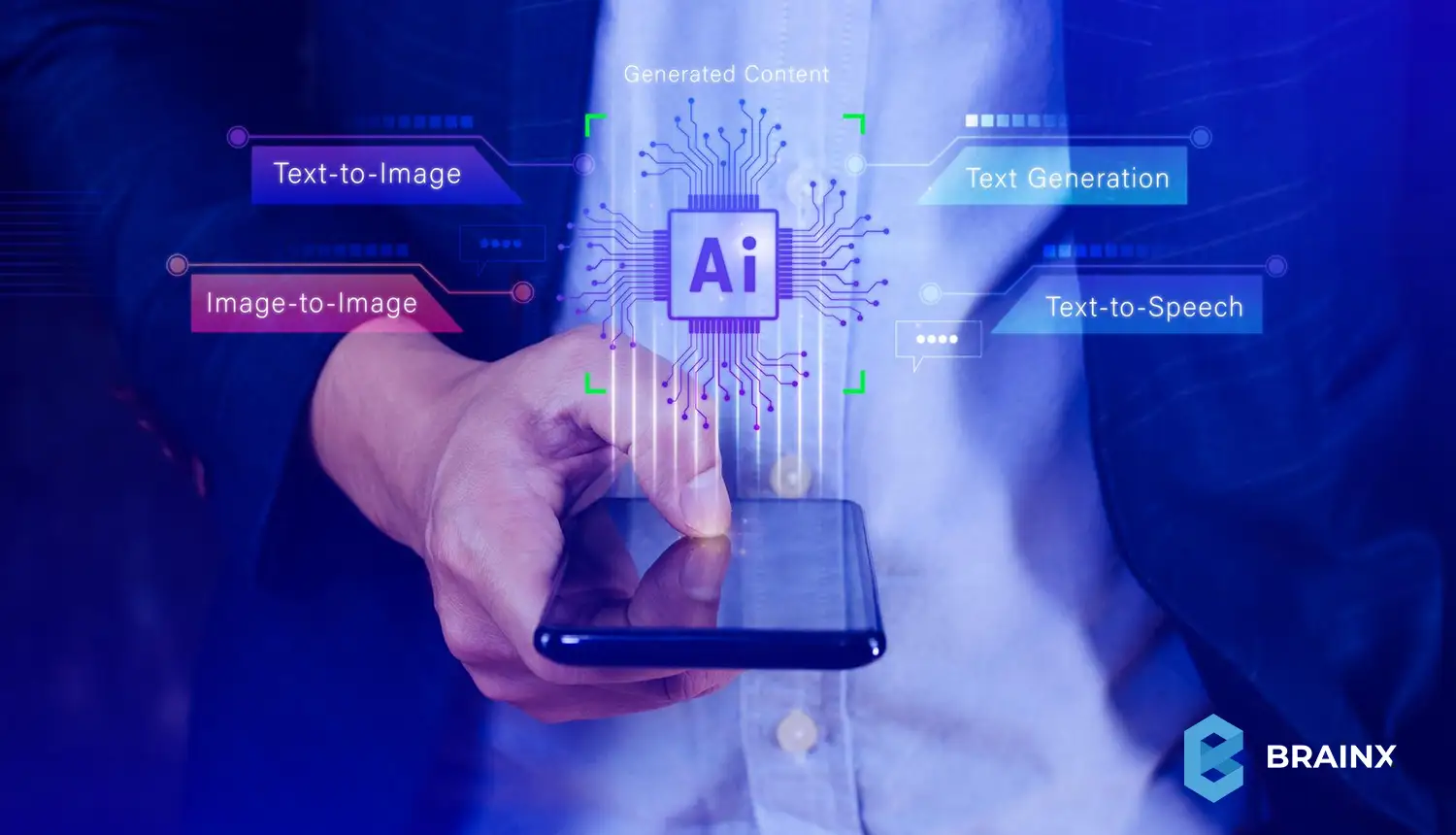
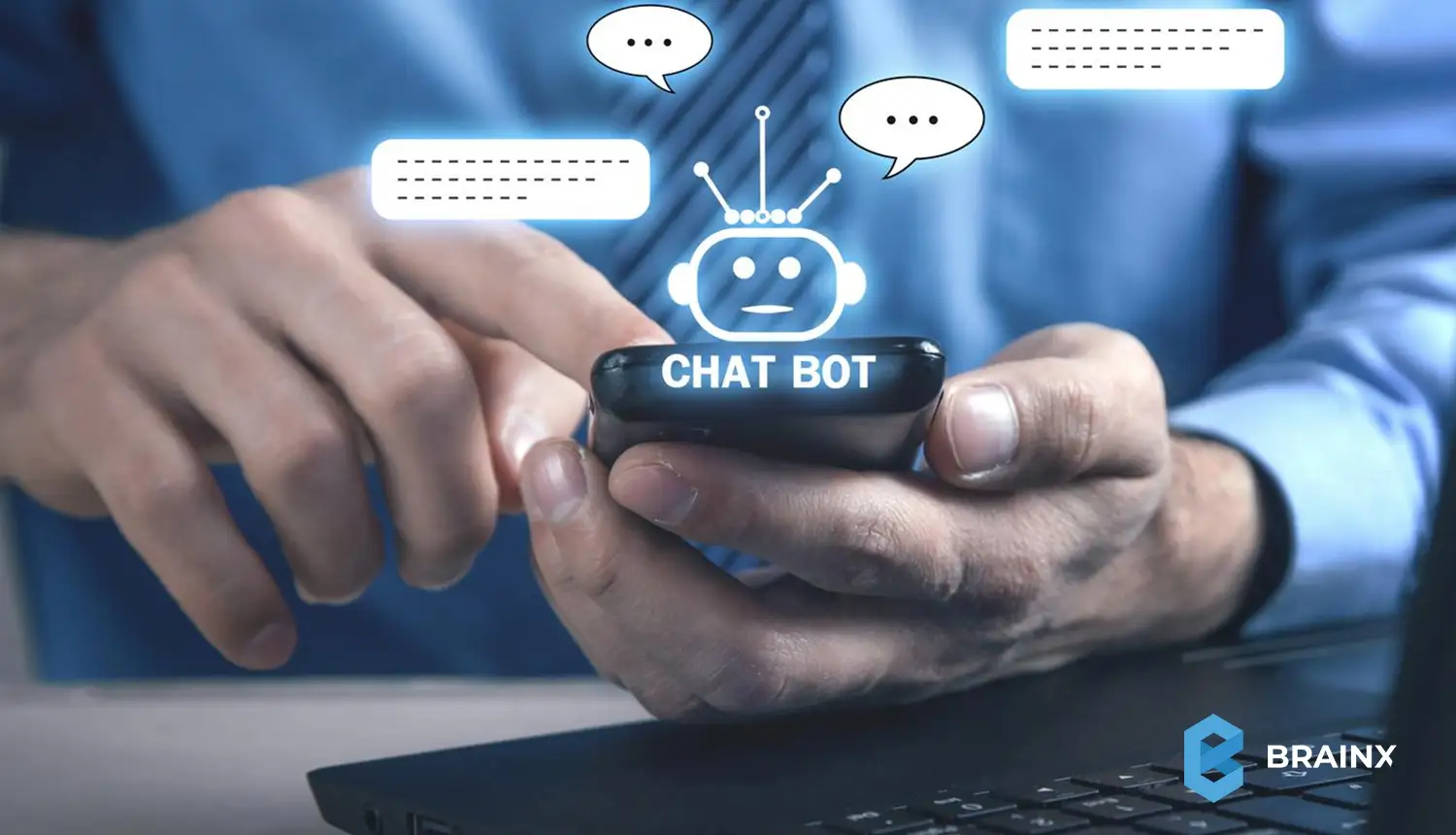
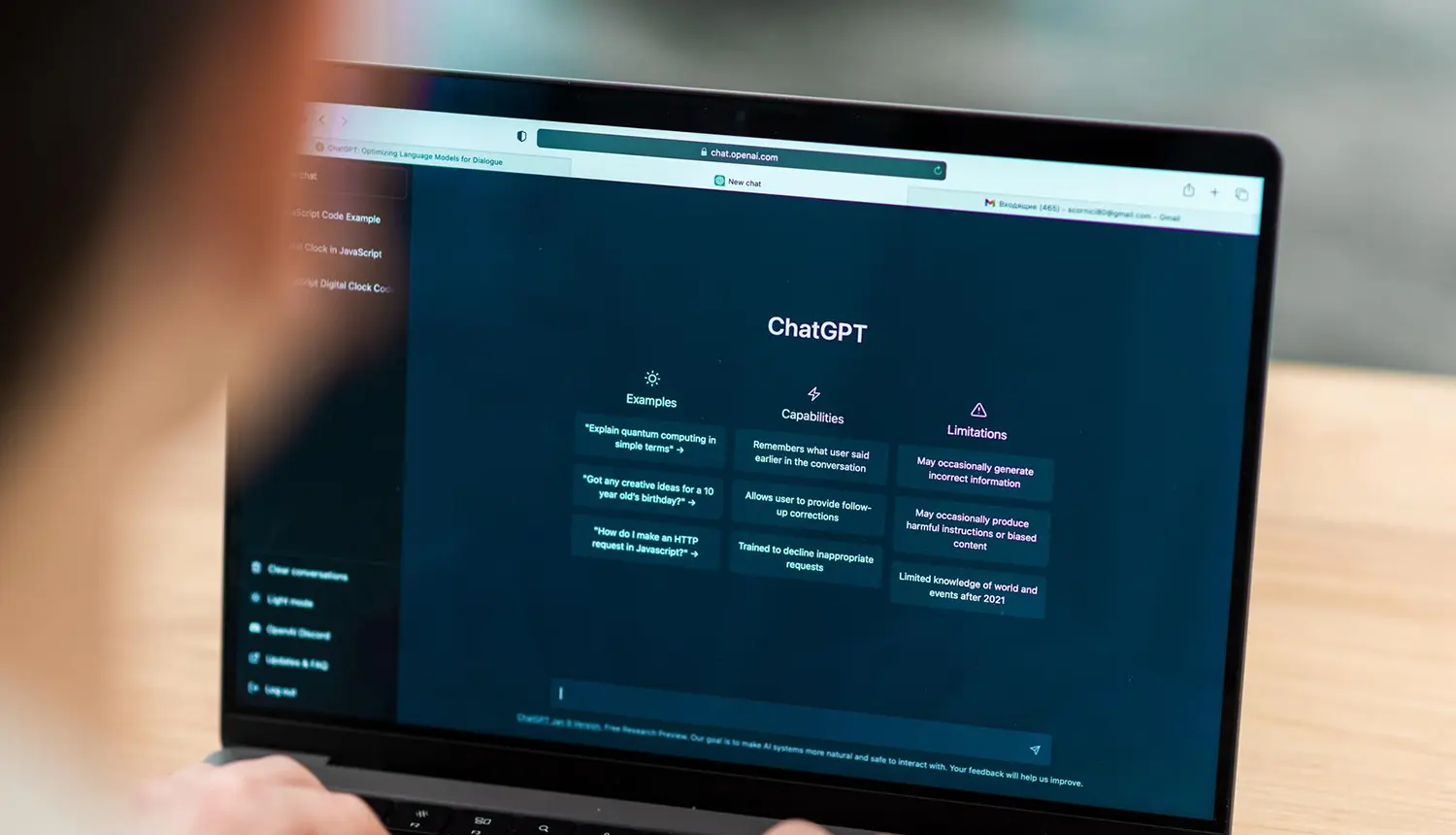
An AI chatbot is a computer program, a software agent that applies artificial intelligence (AI) such as Natural Language Processing (NLP) and machine learning to communicate with human users in a human-like style. They are context sensitive, can read between the lines, comprehend the intent of users and produce responses on the fly unlike old-school rule-based bots which only execute predefined scripts. Nowadays, chatbots frequently make use of advanced Large Language Models (LLMs) (such as GPT-4 or others) so that they can sustain a fluid, natural conversation.
How Do AI Chatbots Work?
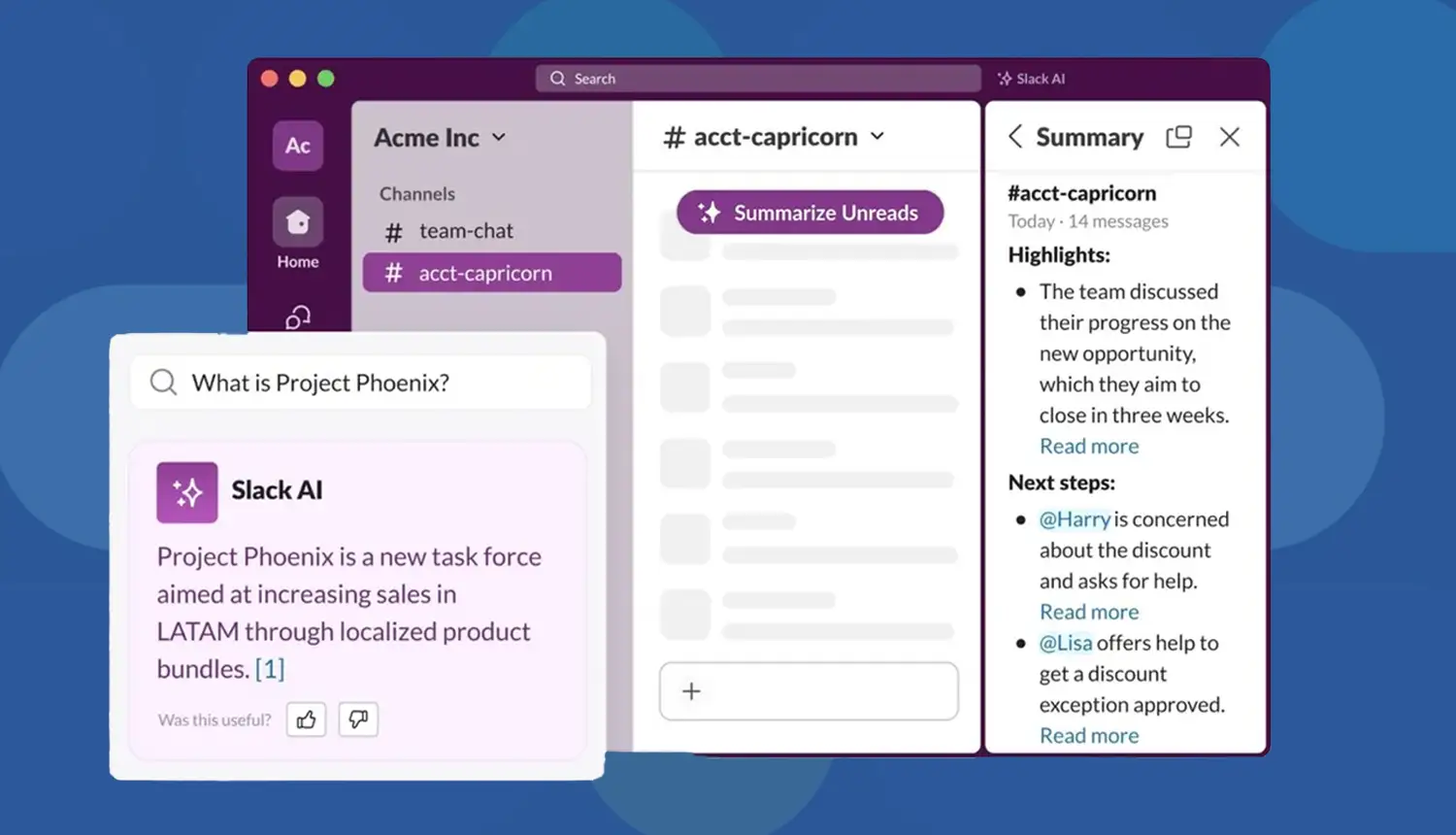
When a consumer enters or says a message, the bot processes the entry through NLP to identify the intent and important facts of the user. It then applies a trained model or body of knowledge to come up with a response. It is also common to see many AI chatbots connected to databases and business systems to obtain information or perform tasks.
They learn with every interaction through machine learning and increase the number of answers that satisfied users and those that were not. The feedback loop will enable the bot to be more precise and personalized as the conversation goes on. They are self-trained with each customer inference, which means that the smarter and more effective your business becomes.
Types of AI Chatbots
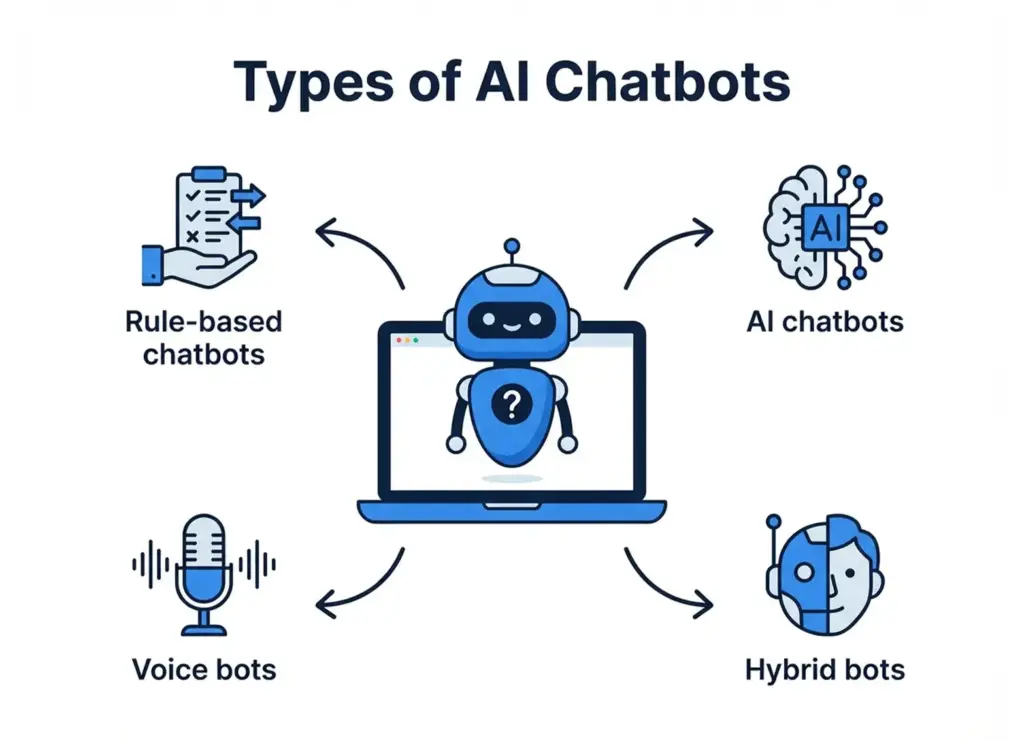
There are various flavors of chatbots:
- Rule-based chatbots: Follow predefined rules/flows (less flexible).
- AI chatbots: NLP/ML in order to understand an open-ended question and context (less strict).
- Voice bots: Modern voice bots can use voice communication (e.g. Alexa skills).
- Hybrid bots: Introduce a hybrid combination of artificial intelligence and rule-based processes or introduce otherwise a human operator fallback.
10 Advantages of AI Chatbots for Business Growth
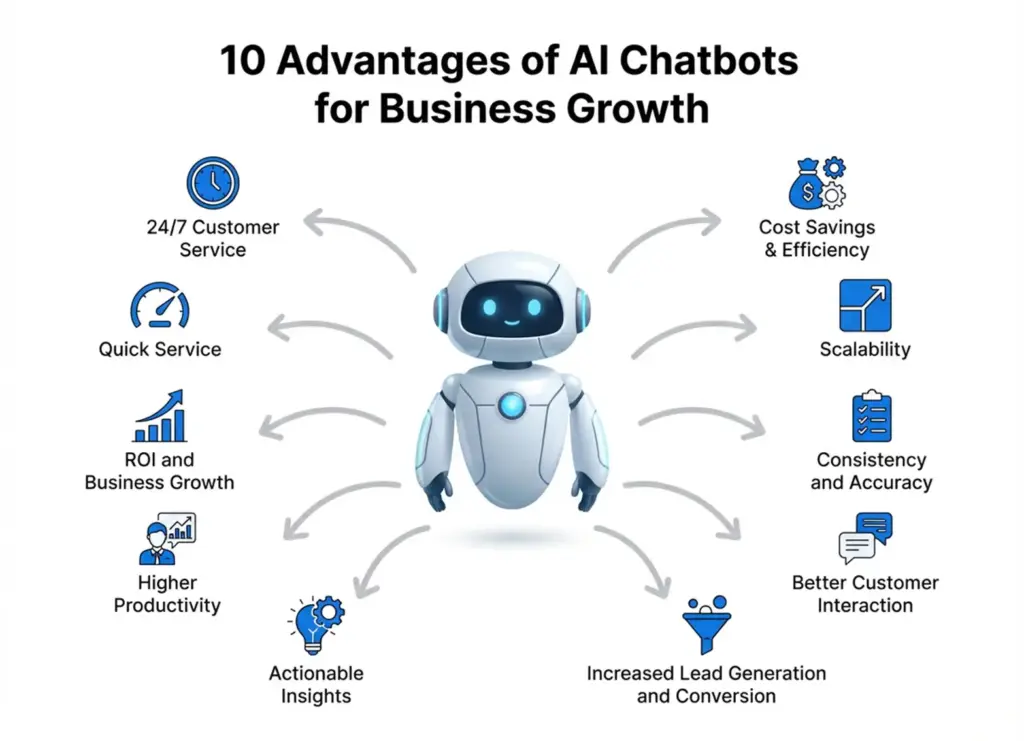
According to recent studies, the use of chatbots will save companies up to $11 billion and 2.5 billion hours of work and reduce costs by up to half. The following are some of the best benefits that chatbots have to businesses:
1. 24/7 Customer Service
Immediate response to queries any time of the day is essential and it is important because 90 percent of contemporary consumers require instant reply whenever they approach a business.
2. Quick Service
Get rid of the queue times by responding to several users at a time. As a matter of fact, 89 percent of the consumers like chat bots due to their immediate responses to questions on customer care.
This urgency makes the customer happy and also improves interaction because clients are more willing to spend more time on your site or in your app when they receive customer support immediately instead of walking away in disgust.
3. Cost Savings & Efficiency
Companies indicate that costs of customer services are reduced by as much as 30% once AI chatbots are installed. The bot will be able to assist many agents, and your human resources can attend to more difficult and high-value interactions. According to Gartner, chatbots will reduce labor expenses of businesses by 80 billion dollars by 2026.
4. Scalability
The bots can assist in handling a lot more questions with minimal staff needs as your business grows. The bot can support several conversations at the same time irrespective of whether it has 100 customers or 100, 000 customers.
This is the reason why the service has consistently remained steady during peak periods or when it is rapidly expanding. The issue of staffing will not be a complex matter; AI chatbots for business can increase as much as possible.
5. Consistency and Accuracy
Offer consistent replies that are extracted out of one body of knowledge, and this implies that customers will receive the correct information at all times. No longer any variation by different agents or human error. Regular service creates confidence and trust in your brand. And where the bot has no answer to provide, it can be programmed to either politely say it does not know or escalate, instead of making educated guesses, and it will always be accurate in its response.
6. Better Customer Interaction
On the contrary, modern chatbots can be personalized on a large scale. They are able to call users by name, suggest their products according to their browsing history and customize their response based on the customer data. Such a level of personalization would produce a sense of appreciation and empathy among the customers, who would take interest in going further.
An ecommerce website chatbot, as an example, can do upselling i.e. suggest a product that is similar to one that a customer is seeking, or a discount, when it notices a hesitant customer: it is like an experienced salesman.
7. Increased Lead Generation and Conversion
They are able to actively spearhead sales. Chatbots can be used to find more leads and drive them to purchase, by starting conversations with webpage visitors (Can I help you find something?), qualifying (friendly) questions, and funnels. They react immediately to product questions, offer advice, and even do checkouts which minimizes drop off.
8. Actionable Insights
Chatbots are able to monitor frequently used questions, likes and dislikes of the customers, pain points and so on. Through these chat logs, businesses are able to collect important data on customer behaviour and requirements.
An example of this is that you may find that a particular product feature is enquired about by a number of customers, so you need to emphasize it more in your marketing. Or analytics of the bot can reveal where customers become frustrated, and you can work on your site or services.
9. Higher Productivity
On the internal level, employees can also use chatbots, such as an HR helpdesk or an IT support agent that can respond to questions of staff. This decreases the monotonous effort of internal teams. In general, companies that operate with the help of AI assistants are likely to state that their productivity has increased dramatically.
10. ROI and Business Growth
Instead, contribute directly to the business growth through enhancing the quality of services, converting more leads into sales and reducing expenses. They assist companies to do more with less, to scale at a faster pace and to offer improved customer experiences and these in turn lead to revenue. It is not surprising that 84% of companies think that chatbots are getting more and more significant in terms of communication with customers and their engagement.
How AI Chatbots for Business Increase Customer Engagement
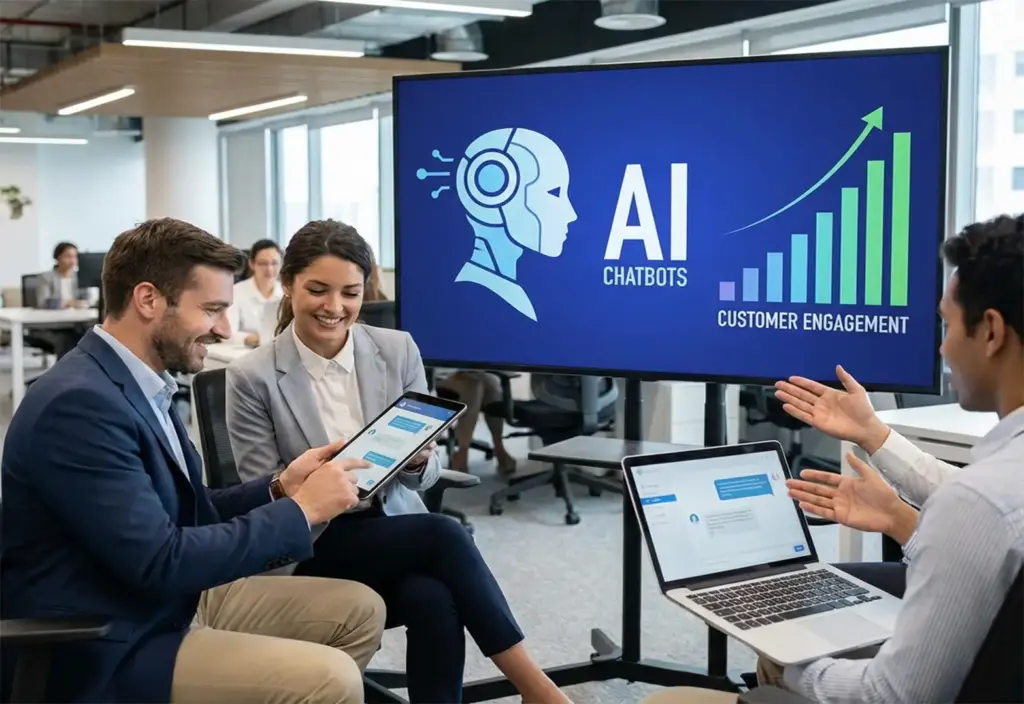
- Two-way interaction, initiated by instant, interactive conversations, is human-like, and it assists users to locate what they need within a very short duration and increases retention.
- Individualized communication with customer information makes it more relevant; the chatbot Sephora uses, in turn, can suggest products based on personal preferences.
- A fast response mechanism lowers the level of frustration, 75 percent of customers like chatbots to give swift answers, which increases the duration of their interaction, and thus a positive experience.
- Distribution of channels ensures a high level of engagement since omnichannel chatbots retain the context between web, apps, and social media.
- Younger consumers lean more towards messaging; the chatbot in Kik of H&M brought a 70 percent re-engagement rate and 13 percent increase in time spent in-app.
- The re-engagement messages remind the users in a gentle manner giving them timely offers or updates, which attracts more open rates compared to the traditional emails.
Sales and Lead Generation Chatbot Automation
- Lead qualification now happens on autopilot as chatbots greet visitors, ask tailored questions, and route serious prospects to sales teams, 41 percent of business chatbots focus on this task.
- Personalized product recommendations increase order value; North Face’s AI bot guided customers through interactive Q&As and achieved higher conversion rates than static listings.
- Shopping and ordering have become frictionless; Domino’s “Dom” chatbot generates 50 percent of digital orders and lifted online sales by 29 percent after launch.
- The follow-up automation maintains the prospects' warmth by reminding, arranging demos, and providing them with the relevant information that can prompt them to make a purchase.
- The sales FAQs and objections are also answered within a few seconds, and the customers do not lose momentum as they are answered instantly on the policies or the pricing.
- The 24/7 availability allows the brands to gain worldwide advantages, half of the businesses invest in chatbots to take after-hours advantages.
- A pioneer in the retail sector, H&M style chatbot transformed the idea of conversational shopping into a source of sales, improving the level of interaction and online sales with the help of suggested outfits.
Artificial Intelligence (AI) Chatbots in Customer Service and Support

AI chatbots offer 24/7 instant response, which has increased customer satisfaction by approximately 25 percent due to quicker and more reliable response.
- They answer the most frequent questions such as the status of orders or resetting passwords, with Bank of America Erica responding to 100 million queries and reducing the number of calls by a third.
- Chatbots provide precise and current information because they draw answers out of centralized knowledge bases, thus eliminating human error.
- They recognize and alternate languages on their own, providing customers the world over with experiences that are localized, which builds brand loyalty.
- Addressing thousands of conversations simultaneously, can deal with 85 percent of routine queries and diminish agent pressure.
- When the matter is complicated, chat robots will easily hand over the dialogue and context to human operators to effectively resolve it.
- Firms such as Mastercard are resolving 90 percent of complaints within the shortest time possible, which helps save money as well as increase customer satisfaction.
- The ChatBot by Marriott grew the direct bookings by 44 percent, received 87 percent positive feedback, demonstrating that AI chatbots result in better service and growth.
The Major Characteristics to Consider in an AI Chatbot Platform
Measuring the exact features that influence the use of AI chatbots for business evolution is crucial to choosing the right chatbot solution. The usability, scalability, and intelligence that are combined to the right mix would make or break your chatbot in terms of customer interaction. Here’s what to look for:
- Ease of Use / No-Code Development: Select systems to grow business using drag-and-drop or no-code systems, ideal when companies require fast development with no developers; no-code chatbot technologies are now popular with startups and SMEs because of this reason.
- Integration Capabilities: Seek models that integrate with the system, such as CRM, helpdesk, or e-commerce software, such as Shopify or Salesforce, to automate processes, integrated chatbots have been proven to make services 35 times more efficient.
- Scalability and Performance: Be sure that your solution can be scaled to support thousands of simultaneous users and run in harmony on websites, applications, and other messaging systems; scalability is critical, since chatbot applications are estimated to be more than $46 billion in market value by 2029.
- Multi-Language Support: Use AI chatbots with many languages: Multilingual chatbots serve companies with a global customer presence, and with localization, companies that use such websites show customer satisfaction rates as high as 30-percent.
- AI Sophistication (NLP & ML): AI chatbots need to be advanced in NLP and machine learning so they can comprehend intent, context, and tone, which can be explained by the fact that first-contact resolution rates of AI chatbots are nearly an order of magnitude higher than of rule-based chatbots.
- Customization and Training: Select customizable AI chatbots that can be trained on your FAQs, documentation or internal information; proprietary content training makes the chatbot more accurate in responses, up to 60 percent, and makes them sound brand-like and knowledgeable.
- Analytics and Dashboard: Use systems with analytics that give information on queries, engagement, satisfaction, and conversions- Businesses that use chatbot analytics recorded 25% improved decision-making in optimizing customer support.
- Human Handoff and Live Chat Integration: Chatbots can be integrated with live agents to ensure the continuity of escalation in case of complex cases; chatbots and human agent integration can be employed to shorten the resolution time by half and gain customer confidence.
- Security and Compliance: Select secure AI chatbots with encryption, GDPR, HIPAA or SOC 2 compliance, in particular, it is crucial to mention that 75 percent of the companies stated data safety as a primary reason to adopt AI.
- Budget: Review the prices, simple models are free, yet can escalate fast; adjusting the overall price to ROI will avoid excessive expenses, and access necessary automation tools.
- Track Record and Support: Collaborate with trusted vendors who have success stories, industry-specific solutions, and responsive support companies that select established vendors have 20 -30 better adoption success.
Top AI Chatbot Platforms in 2026
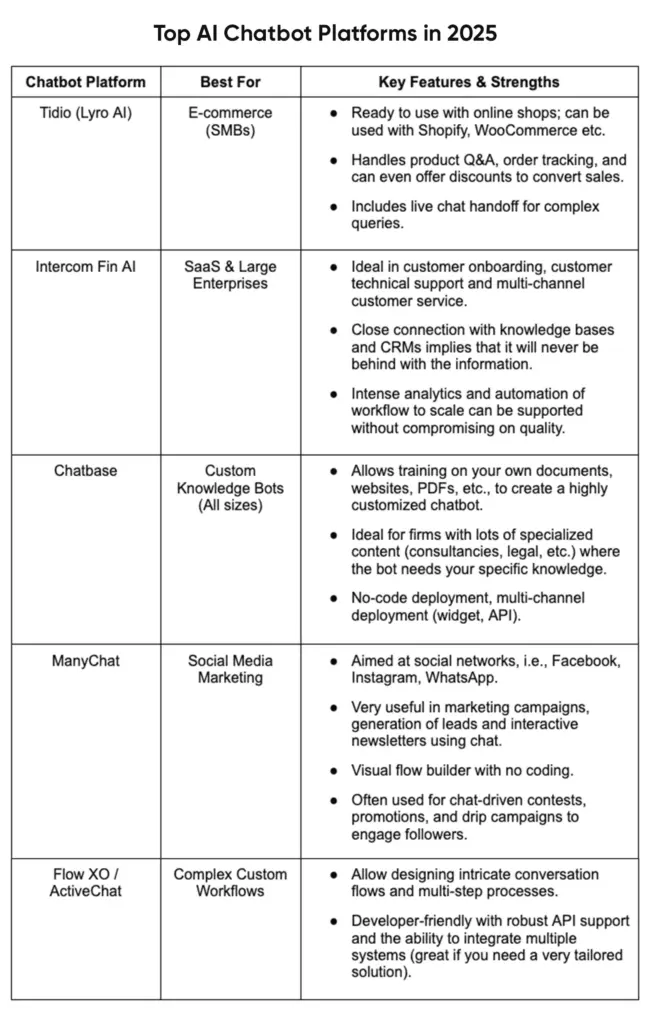
Chatbot builders are numerous, yet several of them can be names that are popular in 2025. There are several best AI chatbot tools available in use by businesses, all of which have their merits and the best way to use them. A comparison of some of them is given below.
Significant Implementation Procedures and Good Practices
A roadmap of practical implementation and some of the best practices that can help you get the most out of your chatbot and ROI are outlined below.
- Pre-established goals and KPIs, make decisions on whether to decrease the volume of support, increase the number of leads, or enhance satisfaction, and create quantifiable goals that can be measured to monitor success.
- Collect all the training data such as FAQs, help articles and policies to create a strong accurate knowledge base in your chatbot.
- Write clear chat flows to use in your most common situations and ensure that your tone and personality match your brand voice.
- Choose the appropriate deployment channels and combine the chatbot with platforms, such as CRM, ecommerce tools, and calendars, to gain the most functionality.
- It should be tested in reality on a basis of other devices to demonstrate and correct any gaps in logic or design, before going online.
- Start small by introducing the chatbot on a small scale and keep a close watch over the interactions and make changes depending on the user behaviors and feedback.
- Popularize your chatbot after it is stable and then inform the users about it, advertise its capabilities, and make people use it to adopt it faster.
- Constantly examine the chatbot analytics and feedback to improve responses, increase its knowledge and maintain high performance.
- Always keep human supervision through checking of escalations, taking feedback and providing regular training to the bot to maintain quality and accuracy.
Scaling Your Chatbot Strategy Business Growth
The AI chatbots are easy to scale and can change according to the requirements of startups, SMEs, and large enterprises without losing efficiency and individuality at each of the development levels.
For enterprise-grade scaling, architecture, integrations, and compliance, read on AI chatbot development for scalable enterprise bots.
- No-code chatbots such as Tidio or ManyChat are cost effective and help small businesses automate their frequently asked question (FAQ) and lead capture messages, and can cut support costs by about 30 percent and retention by 20 percent.
- In the case of medium-sized businesses, scalable solutions with multi-channel capabilities and CRM integration are needed; systems such as Intercom or enterprise-level bots will assist them in automating customer support, sales scheduler, and analytics-guided insights.
- In large organizations, AI chatbots are being used at scale, serving millions of multilingual interactions with the ability to secure, comply, and integrate the omnichannel via platforms such as IBM Watson or Microsoft AI.
The Use of AI Chatbots for Business Expansion
There is nothing like practical cases which could demonstrate the influence of AI chatbots better. The following are some of the examples of business chatbots of well-known companies in various fields with their achievements:
- Sephora chatbot on Messenger provides product suggestions, tutorials, and virtual try-ons, which are personalized and increase the level of interaction, as well as leading to an 11% growth in in-store bookings.
- H&M’s stylist chatbot engages users with outfit suggestions, keeping 70% of shoppers active and increasing app time by 13%.
- Mastercard’s chatbot enables secure account inquiries via Messenger, improving satisfaction and reducing routine customer service calls.
- Whole Foods chatbot, Messenger, is an app that suggests recipes to purchase using text or emoji, which boosted online purchases of groceries by 12 percent and brand engagement.
Future Trends of AI Chatbots
The history of chatbot development does not stop here as the pace of improvements is only increasing. In the future, a number of trends are already on the verge of turning AI chatbots as the business develops to become even more effective and central to the way companies interact with customers, enhance efficiency, and expand internationally.
- Multimodal AI Chatbots: All AI chatbots in the future will support text, voice, images, and video to provide businesses with rich, more interactive customer experiences.
- Voice and Conversational IVR: Chatbots which are voice-enabled AI will be used to replace the old menu with natural and conversational voice to support customers faster.
- Emotion and Sentiment Analysis: This will be performed by customer service bots that examine the tone and language in order to identify emotions and provide human-like, empathetic responses.
- AI Assistants with Autonomy: If applied in business automation, AI assistants will also have the ability to perform real actions, e.g., booking, payments or troubleshooting without human intervention.
- Industry Specific Chatbots: AI chatbots in certain industries, e.g. healthcare, finance, law etc., will give industry specific knowledge so that they will be more precise.
- CRM-Based Chatbots: Chatbots developed on AI and linked to CRM systems will provide context-dependent and personalized conversation with anticipation of user needs.
- Analytics-Focused Chatbots: Chatbots using AI will have analytics capabilities where conversation data will be fed into business dashboards to generate insights and enhance decision-making.
- Ethical and Regulated AI Chatbots: In the future, business expansion will be guided by the principles of data privacy, transparency, and ethical communication.
Conclusion
AI chatbots are no longer futuristic technologies, but already important assets that help grow the business, make customers happy, and organize work efficiently. Since the first startup created with zero-code solutions and the largest enterprises that are implementing sophisticated AI applications, businesses across the globe are adopting chatbots to grow faster and serve smarter.
Create Your AI Chatbot with BrainX
At BrainX Technologies, we creatively develop AI chatbots to enhance business expansion, which offers a combination of the power of intelligence, integrations, and user-friendliness. You may require a lead-generation bot, e-commerce assistant, or an enterprise-level AI support system. Our developers will develop a solution according to your objectives.
FAQs
1. In what way AI chatbots can support my business?
Business growth AI chatbots enhance customer interaction, provide support automation, create leads, and enhance sales efficiency. They are 24/7, cost reduction, and user satisfaction which has a direct effect on revenue growth.
2. Do AI chatbots cost a lot to install?
Not necessarily. There are numerous no-code solutions that are reasonably priced to startups and SMEs. Prices are based on complexity, integrations, as well as scale. The most basic chatbot can have a high ROI since it will automatize the redundant functions and can save time.
3. What is the difference between the AI-based chatbot and rule-based chatbot?
Unlike AI-powered chatbots, rule-based bots adhere to a predefined script, so the intent, context, and tone have to be filled out by the user, whereas AI-based chatbots have the ability to adapt flexibly, accurately, and learn at every interaction, as long as it is not programmed to operate differently.
4. Is the interaction between AI chatbots and my systems possible?
Yes. The majority of contemporary chatbot systems are linked to CRM, eCommerce, payment gateway, and analytics software. It will provide a smooth flow of work such as order tracking, meeting booking, or customer data synchronization.
5. What is my evaluation of the success of a chatbot using AI?
Customer satisfaction (CSAT), conversion rate, response time, rate of issue resolution, and lead generation are the KPIs that can be applied in tracking the success. In the long run performance and ROI may be optimized through regular reviews of analytics.