

Mobile applications are the future! Popular websites create special programs so that users can easily use services or choose goods. Creating an application is important for a business to gain more customers and increase brand awareness. However, entrepreneurs need clarification about which platform to choose for creating a robust app.
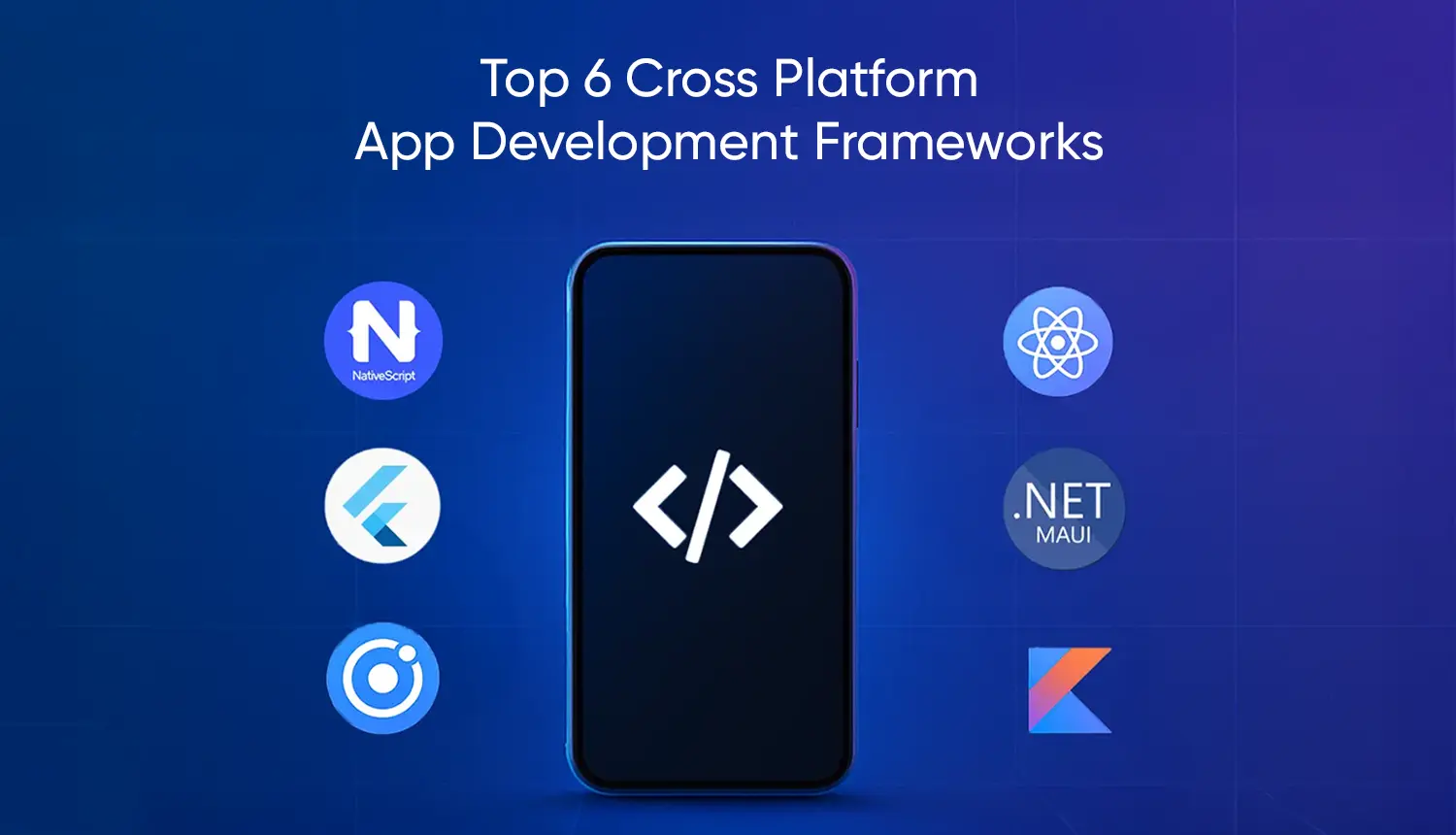
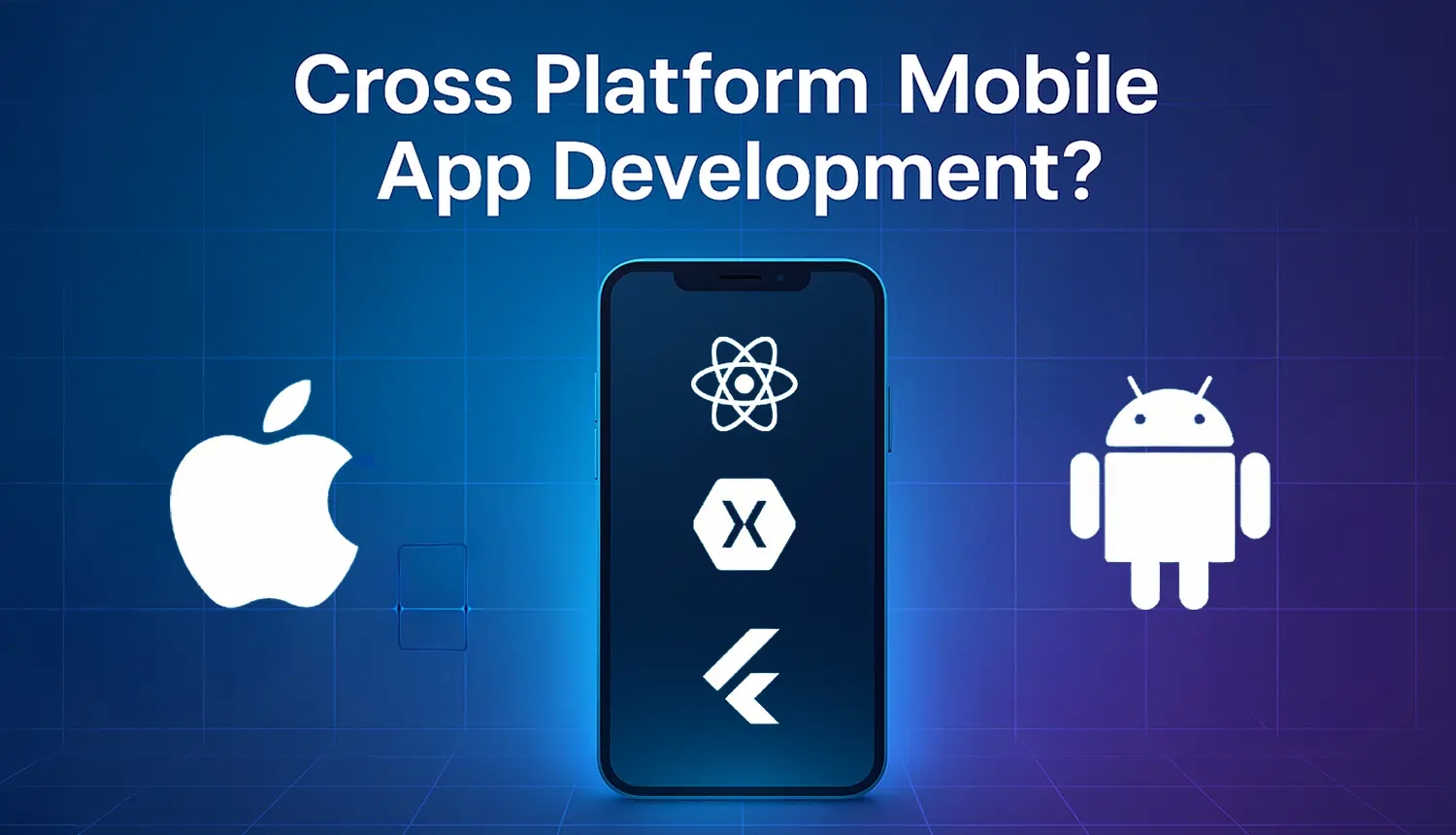
The market is teeming with a variety of cross-platform frameworks, such as React Native, PhoneGap, Kotlin Multiplatform, and Xamarin, each bringing its own distinctive set of capabilities to the table.
A great deal of business happens around mobile devices and applications. Even though the mobile application industry is highly competitive today, startups and developers are dedicating their efforts to finding faster, cheaper, and better performance development tools.
One of them is Flutter.
In this article, we will look at the benefits of Flutter apps for your next project. We will investigate what opportunities it can provide for the development of a mobile app.
What is Flutter?
Google developed and continues to support the open-source framework Flutter! It was first announced in 2018. It rapidly grew into a real game-changer in app development—from mobile apps to the widest range of platforms, from iOS and Android to web, Windows, macOS, and Linux.
Its ability to have one codebase for building an app on several platforms makes it unique among all its contemporaries. Flutter is more than a framework; it is a fully-fledged software development kit (SDK) with all tools included for front-end and back-end development. On their part, developers create wonderful user interfaces out of its large library of custom-made widgets and reusable UI elements, from buttons to text inputs—everything in one toolkit.
Google developed Dart, another programming language, at the core of Flutter. It is designed particularly for front-end development and takes after JavaScript with its strong typing, trash collection, and asynchronous programming.
With its meteoric rise and stars on GitHub of more than 151k, Flutter keeps getting new cool features and improvements, making it one of the top choices for developers to simplify the process of app development.
Key Components of Flutter
The major components comprise two major parts as follows:
- SDK: A set of tools that includes APIs, libraries, documentation, and compilers to compile code into native machine code.
- Framework: A set of extendable, reusable UI elements to put together exactly what you need.
Besides, it has a huge library of pre-built widgets, covering almost all the aspects of app design, and facilitating immense customization to match your requirements.
What programming language does Flutter use?
Flutter uses Dart, an open-source programming language developed by Google for optimizing client interface development. All the benefits of Dart are realized in Flutter to their fullest potential, including its sound null safety feature. It makes it easier to notice common mistakes called null errors in the code, reducing time on code maintenance and allowing more time for developing apps.

Features of Flutter’s Architecture
One can describe the architecture of Flutter as being based on a combination of three layers that drive the framework. These layers are described as follows:
Framework Layer
It consists of all libraries related to the design of a user interface and its subsequent construction, including foundational classes to widgets, plus a rendering system.
Engine Layer
The engine layer, developed in C/C++, provides the foundational infrastructure for Flutter's core features. It oversees the most crucial tasks concerning graphics, accessibility, text format, and plugin management. It calls back to the framework for code execution and rendering of the UI.
Embedder Layer
This is a platform-specific component and is responsible for bootstrapping the Flutter engine. It provides all the necessary resources so that the display of the user interface can be enabled. The embedded layer enables Flutter apps to work on different operating systems and adjoins the engine layer to the Native platform APIs for better communication.
Evolution of the Flutter Framework
Flutter has evolved significantly over the years; it is no longer just a mobile-focused SDK but has transformed into a framework for building natively on both Android and iOS with a single codebase.
Following the Flutter 2 release in 2021, it grew to support web and Windows app development. Subsequently, Flutter 3, only recently released in 2022, gave stable support for Linux and macOS on both Intel and Apple Silicon processors, further empowering devs to create UIs across six different platforms.
Other Flutter 3 additions include foldable phone support and the newest version of Material Design, Material Design 3, for building beautiful UIs on Android. It also improved integration of Firebase backend services, something appreciated by Flutter developers.
Flutter 3.3 was launched with incremental updates and provided improved support to desktop platforms, specifically macOS and Linux, while Dart 2.18 added some new features for Objective-C and Swift interoperability.
Now, the latest release, Flutter 3.7, which went live on January 25, 2023, brings a slew of updates such as WebAssembly support, improved graphics performance, JavaScript and Dart interoperability, and the capability of embedding Flutter elements into web apps.
Advantages of Flutter
Hot Reload
Among the many brilliant features, one of the most exciting things about Flutter is its ability to update code on the fly. A developer can change code on the go and instantly see the result without the concerned app losing its current state. This boosts the development process immensely.
Single Codebase
Flutter allows sharing the same codebase across multiple platforms, which saves you time and effort by not requiring platform-specific code.
Rich Set of Widgets
Flutter offers rich and highly customizable widgets for the design process of user interfaces so that it can adapt to any design requirement.
Performance
Flutter powers high-performance apps because it gets compiled into native ARM code for fast execution and smooth animations.
Expressive UI
The framework provides an expressive, highly customizable user interface that makes it perfect for designing user-friendly apps.
Native Integration
Flutter provides a seamless way to tap into native device features and APIs directly. Ensuring you have flexibility in doing what you want to do with an app, all by juicing up completely with the power of the platform.
Strong Community Support
A very energetic and growing developer community characterizes Flutter. The developers are constantly extending the ecosystem with new packages and plugins, increasing its functionality.
9 Benefits of Flutter Apps for Your Business
The many benefits of Flutter apps include:
Unified Codebase
Instead of managing distinct codebases for iOS and Android, Flutter streamlines development by letting you maintain just one codebase for both platforms, significantly reducing the time and effort involved. It not only helps developers save time and effort but it is also an efficient and game-changing solution.
Instant Development
Flutter’s Hot Reload feature is a lifesaver for the developer community and businesses alike. It speeds up the development process by enabling instant identification of iterations. Developers can instantly find bugs, make changes, and move the project promptly to the next process.
Seamless User Experience
Smooth user experience is one of the major factors to consider when building an app. Flutter allows its users to provide fluid user experiences to compete with the rising market standards. Moreover, its native compilation helps excel at handling complex animations to ensure high performance.
Platform-Specific Plugin
Flutter's platform-specific plugins create a seamless connection between Dart code and native platform functionalities, enabling smooth interaction with iOS and Android through Swift and Kotlin/Java, respectively.
Flutter apps can take advantage of all the features and capabilities of the device's operating system. It ensures a high-quality user experience that includes accessing device sensors and utilizing hardware features or integrating with other native apps.
Thriving Community
The extensive and engaged community offers valuable assistance and resources, enabling developers to tackle challenges more effectively. It allows them to learn new techniques. They can stay updated with the latest advancements in Flutter.
The Flutter ecosystem is rich with a diverse array of packages and plugins. These are pre-built pieces of code. Developers can integrate them into their projects. This adds functionality without building everything from scratch.
Broad OS Support
Flutter is versatile in its compatibility, supporting Android devices as far back as Jelly Bean (4.1) from 2012 and iOS devices running iOS 8 or newer, which was introduced in 2014.
With Flutter, you can seamlessly tap into native device features and APIs. Developers don't have to worry as much about optimizing code for different OS versions. This saves time and effort.
Consistent User Interface
The advent of different devices has made consistent user interface a priority. With 88% of people spending their time on an app, it is highly recommended to make your platform mobile-responsive.
Flutter helps businesses achieve this goal with an assortment of highly defined customizable widgets. This way it enables developers to create captivating user interfaces that can adapt to all screen dimensions and types of devices making your business app more accessible.
Faster Time to Market (TTM)
While some apps may still require native code for specific functionalities Flutter covers most common use cases. This includes accessing certain hardware features or optimizing performance. Its tools and libraries reduce the amount of platform-specific code.
This means that the time from initial planning and development to the final release of the app is significantly reduced. Faster TTM allows businesses to
- Launch their products sooner
- Capture market opportunities quickly
- Start generating revenue
- Gaining user feedback earlier
- Quick Quality Assurance
Since there's only one codebase QA engineers need to conduct comprehensive testing only once. They can test the app on one system environment like Android.
Because the codebase is the same across platforms they can be confident that the app will perform similarly on other platforms,for instance, iOS. This reduces the need for redundant testing on each platform and quickens the quality assurance process.
Reduced Cost
Flutter developers can use a unified codebase for both instead of creating separate apps with different codebases for each platform.
This means fewer developers are needed, and less time is spent on coding and testing across different platforms. As a result, the initial development costs are lower because you're not duplicating efforts.
10 Famous Flutter Applications
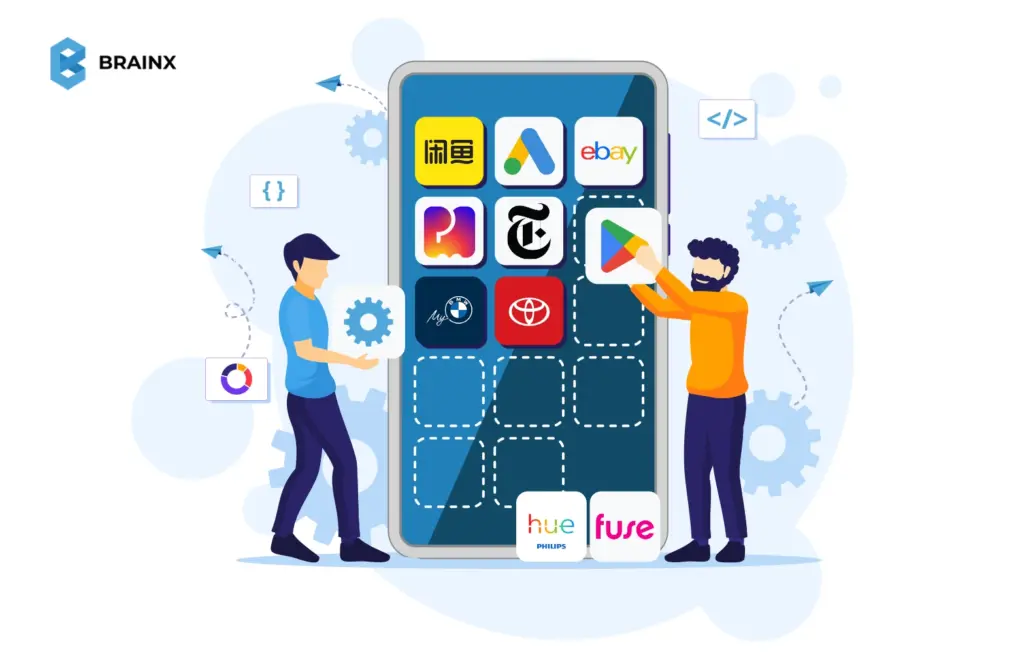
Flutter has drastically changed the game for app development in 2024. These apps are at the forefront of technological innovation in the industry. However, multiple renowned businesses adopting Flutter for their platforms have increased their popularity and demand tenfold. Are you curious?
Let's discover the 10 famous Flutter applications that are changing the dynamics of business in their niche industries.
1. Xianyu by Alibaba
Xianyu, Alibaba’s secondhand marketplace, leverages Flutter for seamless cross-platform development, enhancing user experience on Android and iOS. By leveraging Alibaba Cloud’s serverless architecture, Xianyu has achieved swift and reliable development. Flutter’s unified framework and Nexus API streamline the process, setting a new standard for efficient, high-quality app development.
2. Google Ads Platform
Google Ads is a versatile digital advertising platform, made even more advanced with Flutter. This combination allows businesses to connect with their target audience through search results, partner sites, and apps. Key features include targeted advertising, a pay-per-click model, comprehensive analytics, diversity of ad formats—everything that makes it critical in driving measurable results online.
3. eBay
eBay is an e-commerce leader that was established in 1995 and united buyers and sellers across the world through numerous pioneering innovations, including auctions, fixed-price selling, and global reach. Flutter's development tools assisted in enriching the user experience at eBay by simplifying app interfaces and optimizing performance for seamless browsing and transactions.
4. PostMuse
PostMuse, developed using Flutter, simplifies enhancing Instagram stories with its extensive font, emoji, and design libraries. Flutter’s framework enabled a seamless, user-friendly app experience, updating weekly and ensuring vibrant, engaging stories. With Flutter’s capabilities, PostMuse offers a smooth interface for crafting captivating social media content.
5. The New York Times
Founded in 1851, The New York Times has built through leadership by reporting on news and doing investigative work. Today, they still push the edge by offering digital access to news through their mobile app and website to new generations. Flutter has enhanced their app’s development, enabling smooth, high-performance experiences for users across platforms.
6. Google Play
Google Pay, built with Flutter, offers a seamless experience across Android and iOS. Flutter’s cross-platform efficiency ensures a consistent, secure, and feature-rich app, integrating rewards and simplifying payments. This project highlights Flutter's power in delivering high-quality, scalable applications across multiple operating systems.
7. My BMW App
BMW's Flutter-built app offers a unified experience on iOS and Android, enhancing vehicle control, service management, and in-car connectivity. Flutter’s high performance and design versatility ensure a sleek, consistent interface, perfectly aligning with BMW’s luxury and innovation standards.
8. Toyota App
Toyota utilized Flutter to develop a user-friendly infotainment app offering vehicle diagnostics, eco-driving tips, and a loyalty program. Flutter’s high-performance capabilities enabled Toyota to create a reliable, engaging app that aligns with its values of innovation and customer satisfaction.
9. Philips Hue
Philips Hue, powered by Flutter, delivers advanced smart lighting with a range of customizable LEDs. Flutter’s capabilities enabled seamless app integration for personalized lighting, smart home connectivity, and enhanced user experiences, transforming spaces with intuitive control and versatility.
10. Fuse
Fuse uses its unified API to integrate fintech accounts which resolves connectivity issues and strengthens stability. Flutter helped Fuse create a flexible and dependable system for financial market connection across worldwide domains. Through seamless integration fintech companies can concentrate on developing outstanding financial services using improved efficiency while preserving reliable operations.
4 Reasons Why Businesses Choose Flutter for App Development!
The benefits of Flutter apps acknowledged by the biggest names in businesses like Google, Alibaba, and eBay have raised the significance of this framework for business apps. Here are the 4 major reasons why you should consider using Flutter to grow your business:
- Its versatile cross-platform framework and rich set of UI components streamline the process of building MVPs and prototypes, enabling rapid development and iteration. Its versatile builder tool allows for the efficient creation of functional and visually appealing applications across both Android and iOS.
- Flutter’s Material Design framework delivers visually appealing and cohesive user interfaces across Android and iOS platforms.
- Flutter stands out for its impressive performance and ability to create tailored user interfaces, thanks to its rapid rendering capabilities, adaptable layout system, and fluid animation support. These features ensure high-performance apps with engaging visuals, offering a seamless user experience even with complex interfaces.
- Flutter's internationalization capabilities make it an excellent choice for creating apps with a global reach. With support for 78 languages and customizable currency, date formats, and right-to-left text, it makes your app accessible and user-friendly worldwide.
Importance of Flutter Apps for Different Industries
Automotive
The automotive industry is touching new heights every year with the advent of advanced and flexible systems that efficiently operate vehicles. With a robust development environment, Flutter is an ideal solution for building digital interfaces. This technology helps businesses in the sector upscale and cater to users across all platforms.
Finance & Banking
As banks increasingly embrace the digital landscape, leveraging Flutter can provide a substantial edge in their technological strategy. It ensures secure apps through Dart language and native data format changes, making hacking difficult.
Its real-time, cross-platform capabilities with hot-reload features streamline development. By achieving 120 FPS, Flutter significantly elevates the quality of the user experience through its high-performance capabilities. Google Pay and Cryptography showcase the expanding fintech scope, offering opportunities in mobile wallets and cryptocurrency.
E-commerce
The eCommerce industry continually evolves with new technologies. Retail traditionally involves physical selling but Flutter offers immense potential for mobile shopping apps.
With a peak in online shoppers, Flutter enables businesses to provide accessible, robust applications. Its customizable solutions enhance app functionality and help achieve sales targets effectively.
Real Estate
Leveraging Flutter for real estate apps can significantly enhance your business's competitive advantage. It offers easye-to-use solutions, an interactive dashboard, and varied listings. With third-party integrations like maps, users can easily navigate locations.
Flutter's strong database ensures accurate contact information.
Social Networking
The social media and entertainment sectors are popular among youth, with apps like TikTok, Postmuse, Hookle, and Hamilton thriving due to Flutter.
Unlike ancient times, modern social media apps connect people globally and entertain. Flutter provides widget-rich, responsive solutions with creative UI components, enhancing app navigation and user experience.
Supply Chain Management
Flutter offers significant advantages in the logistics and supply chain industry. Its rapid development and excellent UI/UX capabilities make it ideal for creating user-friendly apps.
Flutter enables real-time goods tracking and integrates AI tools for predictive analysis. It allows for auto-generating sales reports and managing all departments from a single platform.
Education
Flutter revolutionizes the EdTech industry with its versatile capabilities. It enables rapid development of cross-platform apps, ensuring consistent user experiences across devices.
With its rich set of widgets, Flutter enhances interactive learning through engaging interfaces. The framework supports real-time updates and seamless integrations, making it ideal for dynamic educational content and efficient management of educational resources.
Health & Fitness
High-performing healthcare apps enable 24/7 access to doctor services. It allows patients to connect with doctors easily in any emergency. These apps also help locate nearby specialized hospitals, book appointments instantly, and contact ambulances or get medications delivered. They support routine medication, track physical activity, and offer fitness recommendations.
BrainX Can Be Your Go-To Partner for Flutter App Development
Flutter is the best framework for developing versatile apps, but trusting an expert remains a question for many business owners. BrainX Technologies is a top-tier SaaS company specializing in next-gen web and mobile app development services. Flutter, an open-source SDK that supports iOS & Android platforms, enables us to build dynamic, feature-rich apps for mobile, web, and desktop using a single codebase. Our expert developers craft top-tier solutions that drive success and elevate your business to new heights. Don’t let your ideas stay on the mood board, let BrainX help you innovate in the Flutter ecosystem!