
The benefits of outsourcing app development are clear as mobile usage dominates the market, with 63% of purchases now happening through smartphones. In this fast-paced digital environment, companies are under pressure to develop mobile apps that are intuitive, scalable, and user-friendly.
However, not every business has the internal resources, time, or technical skills needed to build such apps from scratch. This is where outsourcing becomes a practical solution.
Outsourcing app development means working with an external team or company to handle part or all of your app project. Instead of building and managing an in-house development team, you collaborate with experienced professionals who bring the right technical expertise, tools, and processes to the table. This approach can save time, reduce costs, and help businesses focus on their core operations while ensuring high-quality outcomes.
In this article, we’ll explore when outsourcing makes the most sense, how it supports companies of all sizes, and what steps you can take to avoid common risks like budget overruns or miscommunication. We’ll also share practical insights on scope and budget management based on real-world experience.
Key Takeaways
-
Outsourcing app development benefits companies that lack in-house technical expertise, want to focus their internal teams on more strategic activities, or need to accelerate time to market.
- According to Forbes, companies can save up to 70% on development costs by outsourcing—for instance, a $200,000 in-house project in the US might cost just $50,000 with an agency in Eastern Europe or South Asia.
-
Delegating a project to a skilled mobile app development team allows access to specialized talent without the cost or effort of hiring permanent staff.
-
Partnering with vendors in regions like Eastern Europe or South Asia—where tech talent is abundant and costs are lower—can help deliver high-quality results while staying within budget.
In the beginning, the Slack team faced a serious issue. They were interested in creating a high-quality scalable product in a short time without spending all of their money and straining their internal resources. Instead of hiring an expensive in-house team from the get go, Slack made a smart decision. They outsourced parts of their app development to a design and development firm called MetaLab. MetaLab helped refine Slack’s UI, making it both functional and beautiful. The result? A smooth, user-friendly platform that took off fast.
Outsourcing allowed Slack to launch faster, stay agile and focus on growing the business. Slack is now a multi-billion dollar company and outsourcing app development for startups and enterprises can be very powerful. Same with many companies: they outsource to save costs, get access to global talent and accelerate development.
In this guide we will discuss outsourcing app development benefits, and more. Whether you’re a startup or an established company, this might be the key to bringing your app idea to life.
What is Outsourcing?

Developing mobile apps through outsourcing means a company transfers application creation duties to professionals outside their organization instead of using internal personnel. The approach enables companies to take advantage of external specialists together with their resources and technological solutions. The model removes the requirement for substantial organizational investments into internal systems or human resources.
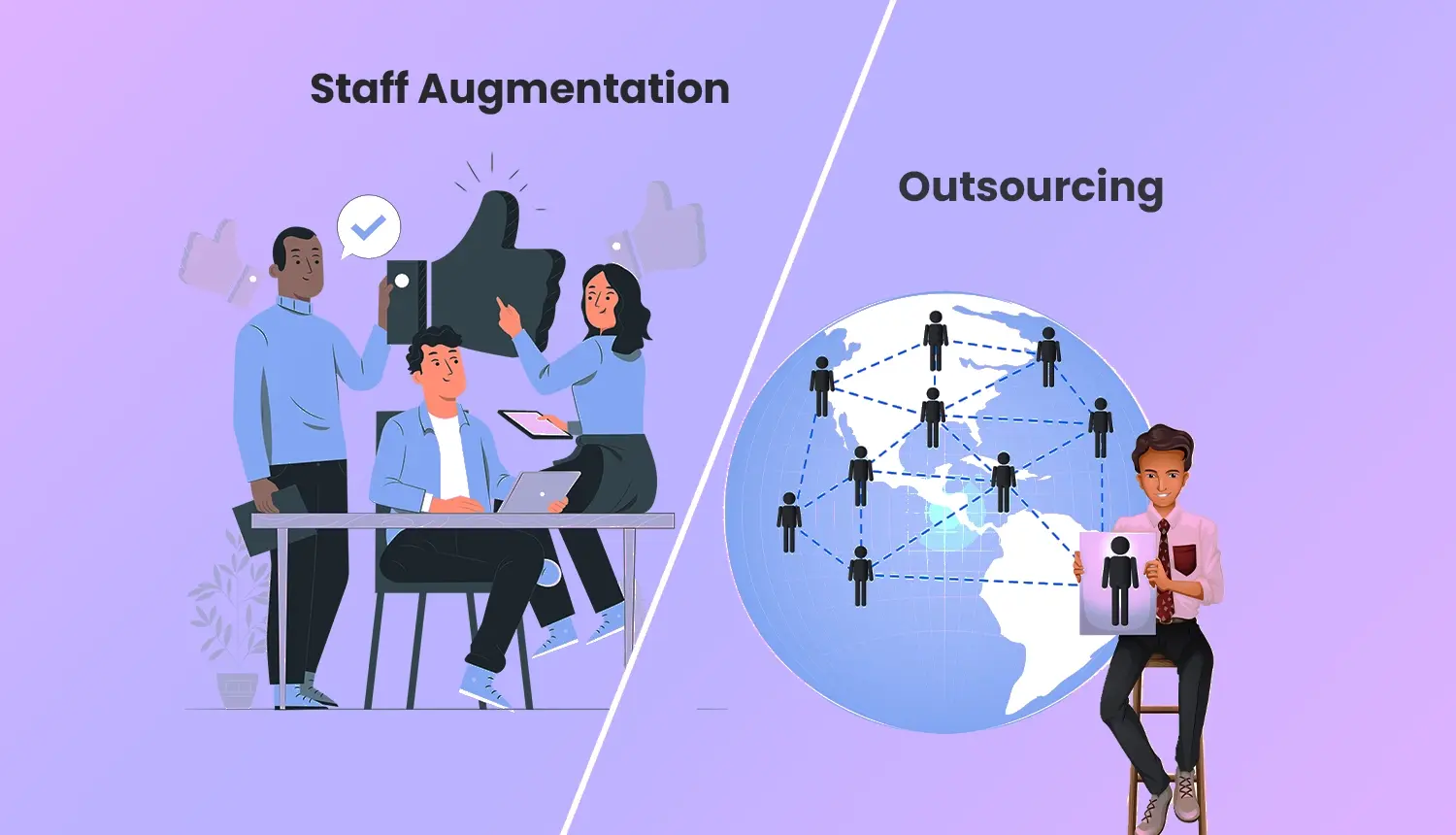
Differences Between Outsourcing and In-House Team
A business must pick either outsourcing or in-house development according to its financial capabilities and project difficulty level and extended planning aims. Businesses can use these distinctions to choose decisions which match their operational needs.
Outsourcing
- A business must pick either outsourcing or in-house development according to its financial capabilities and project difficulty level and extended planning aims. Businesses can use these distinctions to choose decisions which match their operational needs.
- Outsourcing
- The costs for wages together with employee benefits along with office maintenance expenses and system infrastructure costs decrease significantly.
- The practice gives businesses access to remote international specialists who apply their talents across many industries.
- Business projects can adjust their operational scope with ease due to changing requirements.
- Project development relies on third-party teams since the organization maintains decreased management authority over development cycles.
- Communication barriers can occur due to time zone gaps and cultural differences.
- Fast project delivery is achievable through teams with extensive experience who switch between multiple different projects.
- Third-party experts enable the company to benefit from current technology platforms and industry developments.
- Data leaks and IP protection risks can be minimized through the use of Non-Disclosure Agreements and contractual agreements.
In-House Team
- The engagement necessitates continued investment in staff payments together with training expenses as well as equipment maintenance costs.
- Project completion remains affected by the specific knowledge available from contracted labor that might need supplemental training.
- Completely modifying team levels means hiring or dismissing personnel and this process consumes time and incurs financial expenses.
- Complete oversight of project management, workflows, and development priorities.
- Seamless real-time collaboration through direct access to team members.
- More time might be required because organizations need to find new hires and provide necessary training to them.
- The implementation demands investment for employee skill enhancement and tool advancement from within the company.
- Better control over sensitive company data and intellectual property.
🔍 Still unsure which model fits your goals? Explore our side-by-side comparison of staff augmentation vs outsourcing to find out.
Overview of Outsourcing Models

- Onshore outsourcing refers to hiring service providers from the same country.
- Nearshore outsourcing signifies teaming up with companies operating in nearby nations or sharing similar time zone regions.
- Offshore outsourcing is the practice of mobilizing remote working teams that belong to distant countries spanning different time zones.
Pros and Cons of Each Model
Onshore
Pros:
-
Shared linguistics and cultural understanding removes communication barriers.
-
Enables workers to conduct genuine meetings alongside real-time team collaboration.
Cons:
-
Typically involves higher labor and operational expenses due to local market rates.
-
Gives access to a smaller pool of specialized skills compared to global options.
Nearshore
Pros:
-
Geographical closeness allows for occasional in-person meetings.
-
Eases scheduling and real-time communication.
-
Potentially lower costs compared to onshore.
Cons:
-
Savings may not be as significant as with offshore options.
-
Despite proximity, there may still be some cultural and language barriers.
Offshore
Pros:
-
Access to lower labor costs in various countries.
-
Ability to tap into a wide range of specialized skills and expertise.
Cons:
-
Time zone and language differences hinder communication.
-
Differences in work culture and practices may affect collaboration.
-
Potential risks in maintaining consistent quality standards.
Comparison between Onshore vs. Nearshore vs. Offshore
Cost
-
Onshore: High
-
Nearshore: Moderate
-
Offshore: Low
Communication
-
Onshore: Excellent (same language and culture)
-
Nearshore: Good (similar time zones, minor cultural differences)
-
Offshore: Challenging (time zone differences, potential language barriers)
Talent Availability
-
Onshore: Limited to local market
-
Nearshore: Broader access within neighboring regions
-
Offshore: Extensive global talent pool
Control
-
Onshore: High (easy to manage and monitor)
-
Nearshore: Moderate (relatively easy to coordinate)
-
Offshore: Variable (requires robust management processes)
Speed to Market
-
Onshore: Fast (no time zone delays)
-
Nearshore: Fast (minimal time zone differences)
-
Offshore: Variable (depends on coordination efficiency)
Key Benefits of Outsourcing App Development
Outsourcing mobile app development offers several advantages for businesses.
Small businesses choose outsourcing their mobile app development to achieve maximized resource utilization, cost reduction with expert professional involvement. The following section analyzes the benefits of outsourcing for app development.
1. Cost Efficiency and Budget Optimization
- The selection of app developers from areas including Pakistan together with Ukraine and Latin American countries helps businesses minimize their expenses.
- The business avoids all expenses related to space infrastructure alongside the acquisition of software programs and payments toward employee benefits.
- Cost-controlled budgets result from three payment structures which combine fixed costs with hourly rates and dedicated team fees.
Secret Moneys to Look Out For
- Revisions and scope: Revisions or a lack of communication might add expenses by adding functions.
- Delayed Response Through Time zones: Time difference between different zones may result in a slow response.
- Post-Launch Maintenance: If you implement updates, and bug fixing, and support, you should note that it also costs you money.
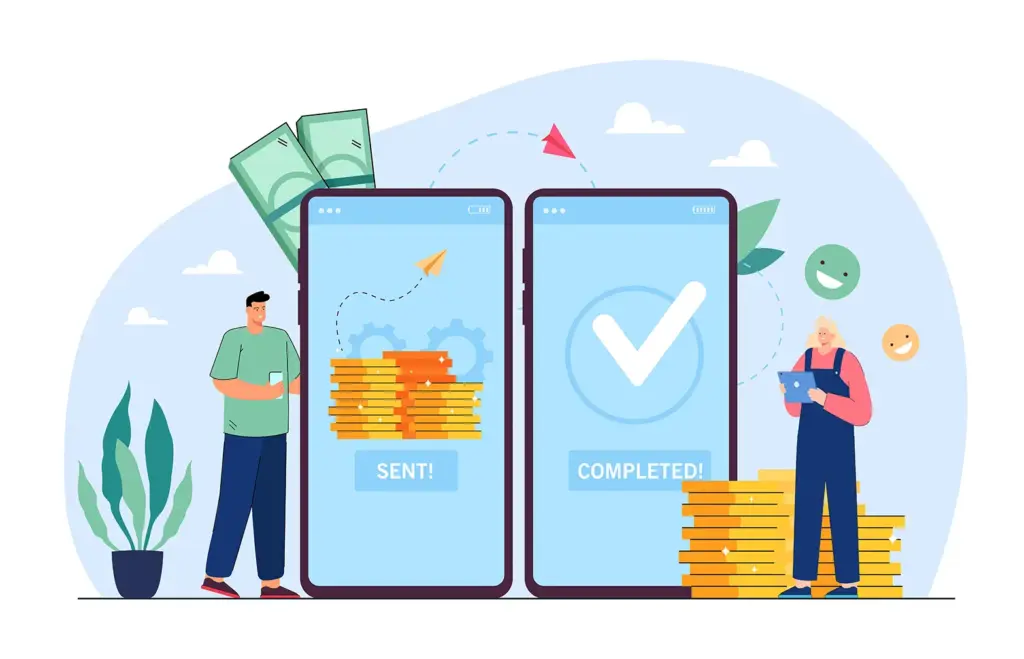
Cost Comparison: In-House vs. Outsourcing
Developer Salaries
- Outsourced Development: Lower (Pay for actual work done)
- In-House Development: High (Full-time salaries + benefits)
Infrastructure & Tools
- In-House Development: Expensive (Software, licenses, office setup)
- Outsourced Development: Included in outsourcing cost
Time to Hire
- In-House Development: Months (HR, onboarding, training)
- Outsourced Development: Weeks (Ready-to-start teams)
Scalability
- In-House Development: Difficult (Hiring/firing takes time)
- Outsourced Development: Easy (Scale up/down as needed)
2. Faster Time-to-Market
- Professional Teams: There is already an available pool of professional teams in form of outsourcing agencies ready to start working at the earliest convenient time.
- Parallel Workstreams: Coding, UI/UX, and the QA of different teams are streamlined, and timelines are shorter.
- Quick Development: Difference in time zones can help a team in one country develop continuously, aided by a team in a different country.
3. Access to a Global Talent Pool & Specialized Expertise
- Businesses can access seasoned app developers including experts in UI/UX and mobile app development.
- Work with developers having knowledge of multiple industry sectors in order to provide diverse experience.
- Many organizations offer modern technological solutions including AI/ML, blockchain, cybersecurity and cloud computing.
📘 Want to dive deeper into team extension and talent scaling? Our Staff Augmentation Handbook covers benefits, processes, and team models.
Best Countries for Outsourcing Mobile App Development
Pakistan
- Cost-effective, strong engineering talent
Ukraine & Poland
- High-quality developers, expertise in fintech
Latin America
- Good time zone overlap with U.S., strong UI/UX skills
4. Scalability and Flexibility
- Scale Up/Down: Start short-term projects without any need of taking full-time employees.
- No HR Headaches: No recruitment, training or team growth to handle.
- Flexibly Adjust Team Size: Ramp up for intensive development phases and scale down post-launch.
5. Focus on Core Business Operations
- Less Time Managing Development: More focus on marketing, strategy, and customer engagement.
- Startups Benefit More: Small teams can outsource development while working on fundraising or market expansion.
- Free Internal Resources: No need to divert in-house employees from critical tasks.
6. Quality Assurance and Risk Mitigation
- Strict QA processes: Professional firms have dedicated testing teams in place.
- Automated and Manual Testing: This minimises bugs and makes the app stable.
- Agile & DevOps Method: The smooth running is guaranteed through continuous testing, integrating, and deployment.
Risk Mitigation Strategies on Outsourcing
- Signing of NDAs and agreements will protect your intellectual and organizational property.
- See that the contracts spell that all source codes belong to you.
- Select outsourcing companies which adhere to international standards of information security (GDPR, ISO 27001).
🛡️ Want to avoid costly mistakes while outsourcing? Read our expert-backed outsourcing pitfalls guide to strengthen your approach.
7. Ongoing Support and Maintenance
- At regular intervals: New features, security patches, and updates of operating systems compatibility.
- Bug Fixes and Improv-Improved gameplay when you find bugs after release.
- User Feedback integration: Ongoing user feedback integration to better the app phrase by phrase.
What is the Correct Way to Outsource App Development?

By outsourcing app development, organizations can tap into specialized expertise while optimizing the use of their in-house resources. Success in outsourcing depends on proper steps for partner selection alongside successful collaboration management and appropriate legal treatment.
Where to Find Reliable Outsourcing Companies?
- Clutch enables businesses to check and rate IT service providers thus helping businesses choose the right partners.
- Upwork links business organizations with independent professionals and agencies that operate across multiple industries.
- Through its exclusive network Toptal gives businesses access to professional designers alongside developers and financial experts as well as software developers.
- GoodFirms uses research-based methods to evaluate IT vendors through client assessment and industry experience assessments.
- Users of Fiverr software development projects can choose from multiple developers through its freelancing platform.
- Continuous expansion of tech services forms the core service offering at PeoplePerHour which operates as a UK platform dedicated to connecting digital projects with freelance talent.
- Companies can locate suitable software development companies through LinkedIn based on user recommendations and company credentials.
- Through its worldwide platform Freelancer.com enables businesses to find independent developers and agencies.
- The design agency directory at DesignRush provides recommendations of expert developers by evaluating their business field along with customer reviews and geographical area.
- The business platform Guru provides companies with access to developer talent with specialization across different sectors.
- AppFutura serves as a dedicated marketplace that links businesses with verified developers for outsourcing app development services.
How to Vet an Outsourcing Partner?
- Portfolio Analysis: Analyse the previous projects of the company so as to determine their experience and proficiency in app development.
- Client Reviews: Get letters of references or the case studies to get an idea about the reputation of the firm and the level of satisfaction among the customers.
- Test Projects: You may want to give them a test in the form of a small project, initially to test the team, their communication and their suitability to your needs.
- Industry Certification & Awards: Ensure that the company is certified with ISO, CMMI or any other related certification.
- Technological proficiency: Make sure they are experts on programming languages and frameworks in which you need them.
- Development Methodology: Select companies that embrace Agile, Scrum or DevOps-values, as they are flexible.
- Pilot Project: Produce a prototype project before long term development.
- Cultural & Language Compatibility: Uncumbersome communication and matching up of work ethics.
- Response Time & Availability: Test their ability to answer the queries and solve the problems in response times.
- Code Ownership Agreements: ensure that the agreement states that all intellectual rights to the code are on your side.
- Post Development Support: Verify that they offer maintenance, bug updation and future updates.
- Security Policies: The team has to adhere to all security policies based on the GDPR, CCPA and OWASP guidelines.
💡 For SaaS teams or tech-led startups, consider CTO outsourcing strategies to maintain agility without hiring full-time leaders.
12 Practices to Manage an Outsourced Development Team
- Project scope, goals, and deliverables are to be clearly stated from the start.
- Select appropriate communication tools between Slack and Microsoft Teams as well as Google Meet for creating seamless collaboration pathways.
- The team should create a project blueprint by transforming tasks into measurable milestones while setting achievable date targets.
- Schedule regular check-ins & stand-up meetings to ensure weekly updates to track progress and resolve issues.
- Use a shared knowledge base like Google Drive, Notion, or Confluence to store documentation.
- Leverage time zone differences and assign work in shifts to ensure 24/7 productivity.
- Centralize project updates in a single project management tool for transparency.
- Implement KPIs & performance metrics to track productivity, bug resolution time, and adherence to deadlines.
- Encourage collaboration and feedback via open communication between in-house and outsourced teams.
- Mitigate risks early to have contingency plans for missed deadlines or unexpected project challenges.
- Ensure secure data transfer using VPNs, encrypted file sharing, and secure repositories like GitHub.
- Conduct post-project reviews to analyze successes and areas for improvement for future collaborations.
Best Project Management Tools
- Jira users can monitor their issues and direct their agile projects and enhance team member coordination.
- The Trello platform uses boards combined with cards as its foundational organizational elements for workflow management.
- Teams that use Asana for their planning and work organization and tracking experience improved productivity and better communication functions.
- Monday.com allows visual project management with automation and tracking features.
- ClickUp enables task organization along with time monitoring and goal achievement capabilities.
- Basecamp enhances team collaboration, making it particularly effective for remote work settings.
- Zoho Projects provides cloud-based project management, featuring task automation and comprehensive reporting capabilities.
- Wrike supports Agile teams with Gantt charts and real-time collaboration.
- Airtable merges database functionality with a project management interface, allowing for highly flexible organization.
- Redmine is an open-source option for IT teams needing issue tracking.
- GitHub Projects integrates with repositories for software development workflow management.
- Pivotal Tracker offers sprint planning tools for Agile software development.
- Smartsheet provides a hybrid of spreadsheets and task automation for structured workflows.
🚀 Tight deadlines ahead? Learn how staff augmentation helps you scale your dev team instantly without long-term hiring commitments.
Effective Communication Strategies to Handle Time Zone Differences
Dialogue effectiveness stands as the prime factor to prevent delays together with alignment issues when managing remote teams operating across various time zones. Here are key steps to maintain seamless collaboration:
1. Establish Core Working Hours
- Find 2-4 overlapping working hours between the two teams.
- It is in this time interval that all the necessary meetings, sprint reviews, and just stand-ups are scheduled.
- If full overlap isn’t possible, rotate meeting times fairly.
2. Rely on Asynchronous Communication
- Encourage team members to update detailed information rather than waiting up to meetings.
- Employ well-organized and clear messages to prevent misunderstandings.
- Write down crucial meetings and give out sum-ups to other people who have not been able to attend.
3. Create a "Work Handover" System
- Developers are expected to write down their developments and work in progress at every shift.
- Write clear next steplines to be followed by the next working team.
- Use a simple handover template that keeps everyone informed.
4. Set Response Time Expectations
- Set up acceptable response time in various types of communication.
- Assign the types of labels such as Urgent, For Review or Awaiting Input as a priority.
- In case of emigrant responses where speed is of the essence, establish an escalation process.
5. Keep Meetings Minimal & Structured
- Eliminate undesirable meetings by use of written update.
- A fixed agenda is ideal when meetings need to be held to make them focused and short.
- Appoint the moderator of the meeting to guarantee time management.
6. Document Everything Clearly
- Maintain a central document for important discussions, guidelines, and project updates.
- Make documentation through standardized format in such a way where updating is simply followed.
- Promote in action written communication but in real short.
7. Rotate Time-Sensitive Responsibilities
- Dedicate various hours to review the codes, testing or approvals such that a team is not overburdened all the time.
- Share responsibility so that there is no case of burnout in a single area.
8. Build a Culture of Flexibility & Understanding
- Be aware of the issues involved working across time zones and be able to adjust timelines when it comes to it.
- Promote teams to share availability and individual working preferences.
- Promote a team-oriented and not a transactional type of remote teamwork.
How Much Does It Cost to Outsource App Development?
- The development rates in both the United States and Canada fall within a scale of $40 to $90 per hour. Due to the complexity of the app system, outsourcing costs within this region become quite expensive.
- Countries like Poland and the Czech Republic offer competitive rates, with average costs around $25 to $50 per hour. The area offers affordable service prices that match well with project excellence thus attracting numerous outsourcing partners.
- The IT industry in Pakistan offers mobile application development prices from $8 to $40 per hour with an average charge of $20 per hour. Business partnerships view Pakistan favorably because of its affordable labor costs and its expanding pool of qualified individuals.
Factors Affecting App Development Cost
- Applications featuring basic features tend to have lower development costs.
- The development time needed for complex apps escalates alongside added functionalities, connections, and custom features, which drives up the project expenses.
- Developing an application exclusively for either iOS or Android platforms requires less expense. Building an app for one platform is more budget-friendly than developing for multiple platforms at the same time.
- Building advanced features like real-time updates, GPS navigation, and AI integration can significantly increase development costs.
- Complex app requirements need skilled experts that cost more than beginners or mid-level expertise.
Trends in Outsourcing App Development
The software development outsourcing industry presents emerging trends that will create its future framework.
1. Low-Code/No-Code Development Platforms
Users can now develop applications through no-code and low-code platforms using interface elements, template systems, and drag-and-drop functions without coding.
According to the latest forecasts released by Gartner, 70 percent of all new applications are going to be developed through low/no codes by 2025.
2. Artificial intelligence (AI) and Robotic Processing Automation (RPA)
By the ability to obtain coded code strings and live code enhancement by AI-based apps such as GitHub Copilot or Tabnine, the time expended in the development process is reduced by an area as high as 30 percent.
RPA technology performs repetitive assignments, which allows developers to address complex software development issues.
3. Increased Adoption of Cloud Computing
Various organizations have adopted cloud services extensively because over 90% utilize them to improve their IT outsourcing functions and reduce operational expenditures.
Most enterprises create data security alliances with cloud service providers as an innovative way to defend their information against escalating cyber threats.
4. Data Security
Data security protection measures against cyber threats get stronger through most organizations' strategic alliances with cloud providers.
5. Business Process Outsourcing (BPO)
BPO market analysts predict that revenue projections will exceed $460.10 billion over the upcoming years as it demonstrates promising market growth from its $261.9 billion start in 2022.
Maximize Outsourcing App Development Benefits with BrainX Technologies

BrainX Technologies offers comprehensive services to transform your innovative ideas into user-friendly, high-performing mobile applications.
BrainX has completed more than 250 projects since their foundation eight years ago, exceeding the satisfaction of 130+ clients worldwide through their workforce of 120 skilled engineers. Our company specializes in working with seven key areas: healthcare, E-commerce, education, real estate, lifestyle, social networking, travel and tourism, and on-demand services.
Application development at BrainX begins with proper design and extends to development before a final launch stage. Our team develops personalized mobile apps that produce exceptional usability and increase market exposure together with revenue creation possibilities.
Connect with BrainX to get the most out of outsourcing app development benefits.