

The proverb "need is the mother of innovation" fits best in this advanced time of the modern world. Today, with the growing demand for customized and innovative applications, enterprises are taking support from various development platforms that promise effective solutions.
Recent studies indicate that 87% of mobile development experts use cross-platform frameworks for developing mobile apps. This development takes so much less time from concept to market that companies can swiftly reach their target audience using either operating system.
However, before dipping into the world of cross-platform mobile application development, there are two more critical aspects to consider: its pros and cons. This article will go through why choosing cross-platform development for your next mobile app project could be a brilliant idea.
What is Cross Platform App Development?
Most of the businesses focus on only one platform because each platform has complex rules and requirements. Cross-platform mobile app development may prove to be the best method of building an application to work on iOS and Android. Using any of the cross-platform application frameworks, you will be able to develop an app or an operating system from one codebase. This will spare time and make app creation faster.
Cross-platform mobile application development uses one codebase for developing applications operable on more than one mobile OS. This is in opposition to native application development, which consists of writing dedicated code for each platform. Behind the thought of cross-platform development lies the concept of facilitating the development process of an app.
Evolution of Cross-Platform Apps
In the decade and a half since mobile applications have come into existence, the mobile development landscape has changed quite a lot. First, developers were bound to create only native apps intended for either iOS or Android. Though it granted optimal performance, using all of each platform's unique capabilities, it meant that to achieve such functionality, separate development efforts needed to be carried out, increasing costs and prolonging timelines.
Increasing demand for customized mobile applications and faster deployment urged cross-platform development. This turned out to be more effective, and with it, the developers created the apps on one codebase that runs on various platforms. This saves time since the need to develop dissimilar native apps for different platforms is eradicated, hence making the development swift, consequently reducing the time-to-market by big margins.
That transition from native to cross-platform reflects the strategic focus of the industry on:
- rapid deployment
- cost efficiency
- seamless user experience
It's an approach that's gaining popularity with each passing day, as businesses seek to reach wider audiences faster, and even quicker launches of their products.
Cross-platform app development allows it to be super easy for companies to maintain consistent branding and functionality across diverse operating systems, therefore making this demand much easier to answer without losing control over development costs and timelines.
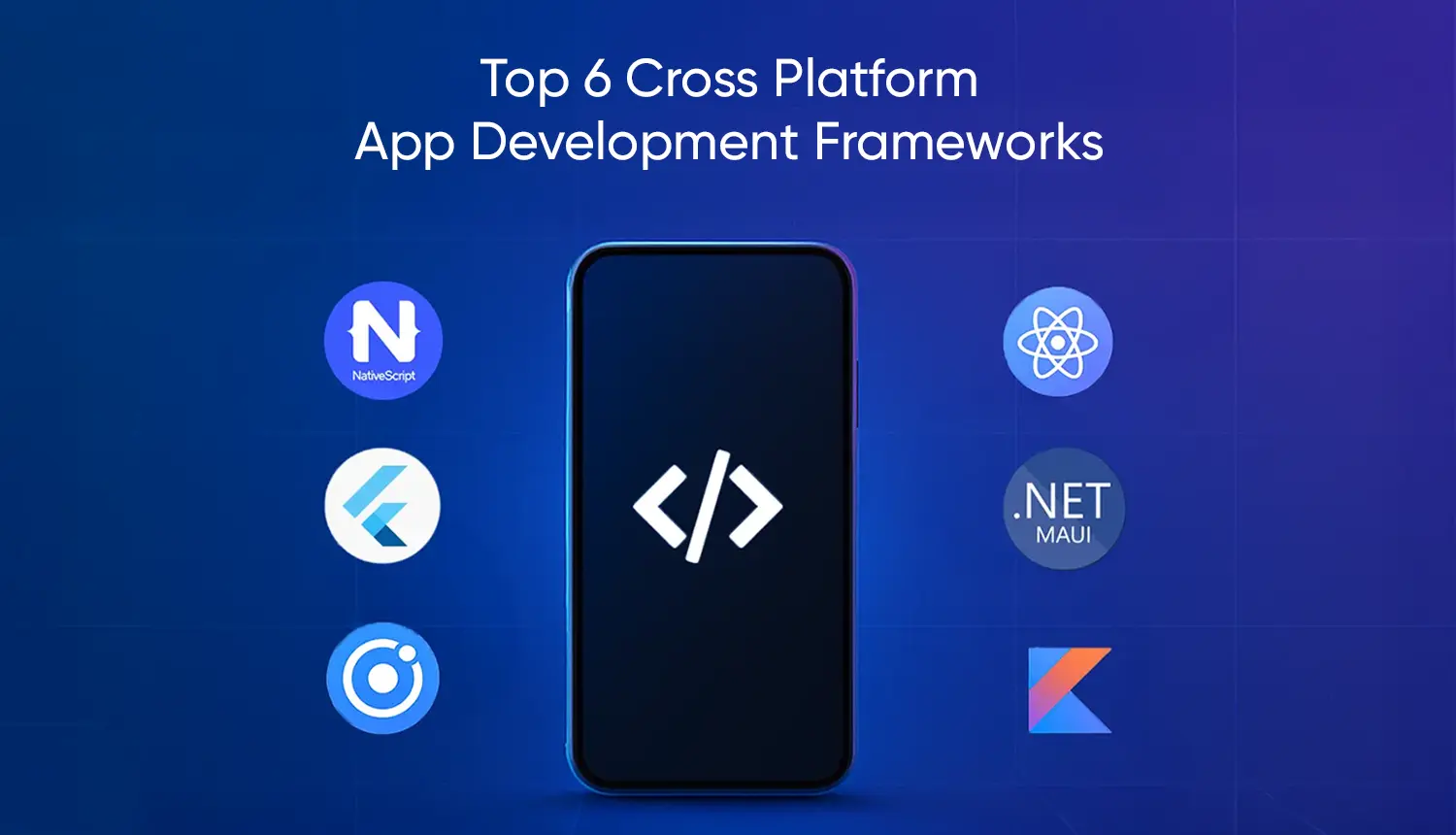
Top 6 Cross Platform Mobile App Development Frameworks
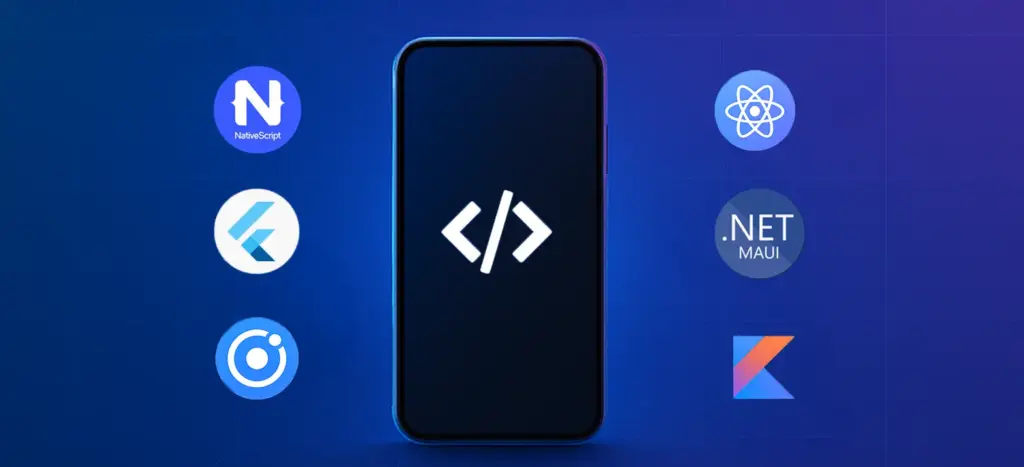
Today, cross-platform application development is gaining momentum and has broader applications in mobile app development. However, there's no universal framework suitable for all projects. Here’s a list of top frameworks to guide you in selecting the best option.
1. Flutter
Flutter, which was developed by Google in 2017, uses Dart to build mobile, web, and desktop apps from a single codebase. It features hot reload for instant code changes, supports Google’s Material Design, and has its rendering engine. Widely used in apps like eBay and Google Pay.
2. React Native
React Native, which was developed by Meta Platforms in 2015, uses JavaScript to build natively rendered mobile apps. It offers Fast Refresh for immediate updates, focuses on UI customization, and integrates with Flipper for debugging. Used by Microsoft and Meta for apps like Facebook and Xbox Game Pass.
3. Kotlin Multiplatform
Created by JetBrains, Kotlin Multiplatform enables code sharing across Android, iOS, and other platforms while maintaining native benefits. It supports full code and UI sharing and integrates seamlessly into existing Kotlin projects. Used by companies like McDonald’s and Netflix.
4. Ionic
Ionic was announced in 2013. It uses web technologies such as HTML, CSS, and JavaScript for cross-platform application development. Integration with several different frameworks such as Angular, React, and Vue; device feature plugins by Cordova and Capacitor; and a separate CLI for development. Used by T-Mobile and EA Games.
5. NET MAUI
Microsoft announced .NET MAUI in 2022 as an extended Xamarin.Forms, targeting native app creation with C# and XAML. Now, it boasts natively supported cross-platform APIs, multi-targeting on Android, iOS, macOS, and Windows, along with support for .NET hot reload. Used by NBC Sports and Escola Agil.
6. NativeScript
NativeScript was launched in 2014 and permits the building of Android and iOS applications utilizing either JavaScript or TypeScript. It allows for direct native API access and renders platform-native UIs without WebViews. Popular among small companies for apps like Daily Nanny.
10 Pros of Cross Platform Mobile App Development

As businesses strive for efficiency and broader reach, exploring the advantages of cross-platform mobile app development becomes essential. Here are ten key benefits that illustrate why this approach could be the ideal solution for your mobile strategy.
1. Single Codebase
Cross-platform development allows a single codebase to work across Android and iOS, saving time and reducing costs. This unified approach eliminates the need for separate native coding, enabling faster bug fixes and updates. With one developer managing both platforms, apps can be prototyped and refined quickly, incorporating feedback from users and stakeholders to enhance user experience and adoption.
2. Cost Efficient
Cross-platform development helps you cut costs by having a single code base for iOS and Android and removes the need for separate development teams. This approach makes development more efficient through a single developer who can build on two major platforms at once. Development costs are thus cut by up to 30%. With a single, smaller team using common tools, cross-platform apps are more efficient, faster to build, and offer a cost-effective way to test the market.
3. Faster Time to Market
Cross-platform development, utilizing frameworks like React Native or Flutter, drives product development with a shared codebase; hence shortening time to market. It provides shorter development cycles and further accelerates responses to changes coming from either customer feedback or the market demands. Tools like Ionic streamline app creation across multiple OS platforms, simplifying maintenance and updates and making the entire process more efficient.
4. Consistent Branding
Developing separate iOS and Android apps complicates maintaining a consistent brand look and feel. Cross-platform mobile app development simplifies this by allowing faster creation of a cohesive customer experience across platforms. While navigation may vary due to OS differences, the overall user interaction and brand image remain unified, reinforcing your business's authenticity and reliability to customers.
5. Revenue Generating
Cross-platform mobile app development gives you the ability to publish applications on both Android and iOS, which covers 98% of the whole mobile market, increasing revenue manifold. While tempting, targeting only Android owing to the much larger usership cuts out close to a third of global users and half of all U.S. users. This can allow businesses to reach a broader base of customers, strengthen brand engagement, and reinforce leading positions in the market. Major app stores like Google Play or the Apple App Store similarly promote strong marketing support.
6. Unified User Experience
Cross-platform apps provide a consistent user experience across devices, enhancing user satisfaction, engagement, and retention. While Apple and Android users have different UX expectations, cross-platform development allows for tailored UI/UX adjustments to ensure a natural look and feel on each platform. With a single codebase, app developer can maintain consistent functionality and branding across multiple platforms while making slight adjustments for platform-specific preferences. This approach ensures a unified user experience and simplifies app maintenance, delivering a cohesive brand experience to a broader audience.
7. Convenient Maintenance
Cross platform mobile app development allows using a single codebase, simplifying updates and maintenance. This directly translates to reduced costs since developers will update once and avoid the many codebases for various platforms, reducing downtime. Bug fixes and new features are implemented simultaneously across all platforms, ensuring a consistent user experience on iOS, Android, and beyond. This approach ensures all functionalities are available across devices, while updates are rolled out faster, using fewer resources and providing users with the latest improvements without delays.
8. Native Features
In addition, cross-platform frameworks of today make access easy for developers to use native device features such as cameras, GPS, accelerometers, and microphones to provide an enhanced experience for the users but on a single codebase. With that said, applications can access and integrate more types of platform-specific functionality, like geolocation, push notifications, or widgets, which work seamlessly with the environment of a certain device. Core functionalities in apps like navigation, fitness tracking, or augmented reality can be built using these native capabilities. It enables developers to create feature-rich, responsive apps that feel natural on both Android and iOS platforms.
9. Flexibility
Cross-platform applications allow developers to build a single codebase that will run on iOS, Android, and even on the web. This flexibility in development makes updating or reworking the app much easier to handle across all platforms at the same time. Furthermore, these cross-platform frameworks have allowed for integrations of plenty of third-party tools, APIs, and device-specific features. Flexibility in adapting different devices or operating systems saves time and resources.
10. Quicker Development
Frameworks like React Native, Flutter, or Xamarin, make things pretty easy with a shared code across multiple platforms, which means one does not have to write code for each mobile OS. Further, the pre-built components and vast libraries further pace up the development timeline for quicker rollouts of new applications and updates.
Major Drawbacks of Cross Platform Apps
While cross-platform applications have several advantages, their disadvantages also cannot be ignored either. Scrutinizing the demerits of cross platform development is important to have an idea if you think these apps best suit your business requirements.
1. Design Quality
Native apps fully utilize platform-specific UI/UX features and device capabilities due to separate codebases for iOS and Android.Cross-platform development, utilizing a single codebase, may constrain access to certain gadget highlights, possibly influencing client experience. If your app requires specific features, developing separate native apps might be more beneficial.
2. Integration Challenges
Integrating cross-platform apps with gadget settings and OS features can be complex. Developers often rely on third-party plugins or custom solutions, which may lead to compatibility and maintenance issues. While cloud services might address some integration challenges, they can compromise security and are generally not recommended.
3. Update Lags
When an OS introduces new features, they may not be immediately available on your cross-platform framework. This delay in framework updates can prevent you from utilizing the latest features, potentially frustrating users who expect quick access to new updates and enhancements.
4. Performance Lackings
Cross-platform apps often experience performance glitches and irregularities over different gadgets and OS versions, as they must oblige the slightest competent equipment. This extra abstraction can affect app performance and responsiveness compared to native apps, though modern frameworks like Flutter are addressing these issues.
Different Aspects of Cross Platform Mobile App Development
The cross platform development approach has addressed different pain points experienced by app development specialists, such as fragmentation of portable gadget screens, framework adaptations, and producer customization. By understanding these different aspects, businesses can use this technology to its full potential to create innovative and high-quality applications that meet modern user needs.
1. Mixed Development Approach
Cross-platform development offers adaptability by permitting engineers to utilize HTML for fast UI format and business rationale implementation. Hybrid development enhances this by handling functionalities beyond HTML’s scope, ensuring a smooth user experience.
Since cross-platform apps rely on web view architecture, hiring dedicated developers is advantageous. Technologies like Ionic, AppMobi, and Cordova enable the creation of sophisticated cross-platform apps without requiring deep expertise in new technologies, streamlining the development process and expanding functionality.
2. Intermediate Language (DSL) Compilation
This approach uses specific syntax within a compilation environment to generate native apps for both Android and iOS. By avoiding the need to hire mobile developers with the knowledge of complex languages like iOS native and Android technology, it simplifies the development process.
Technologies such as Weex and React Native utilize virtual machines to handle complex coding errands, progressing execution and rendering capabilities. These frameworks also enhance efficient communication and state management, making cross-platform development more streamlined and effective. This method provides a unified development experience while leveraging native app performance benefits.
3. API Cloud Integration
API Cloud represents a major leap in cross-platform app development by integrating cloud-based solutions for enhanced efficiency. Evolving from mobile development to a comprehensive low-code platform, API Cloud serves various industries with tailored digital services.
Utilizing REST and SOAP frameworks along with vendor-specific APIs, it allows developers to seamlessly incorporate cloud functionalities. This flexibility enables the combination of development and intermediate language compilation within a single application, optimizing performance and scalability for diverse use cases.
Future of Cross-Platform Mobile App Development
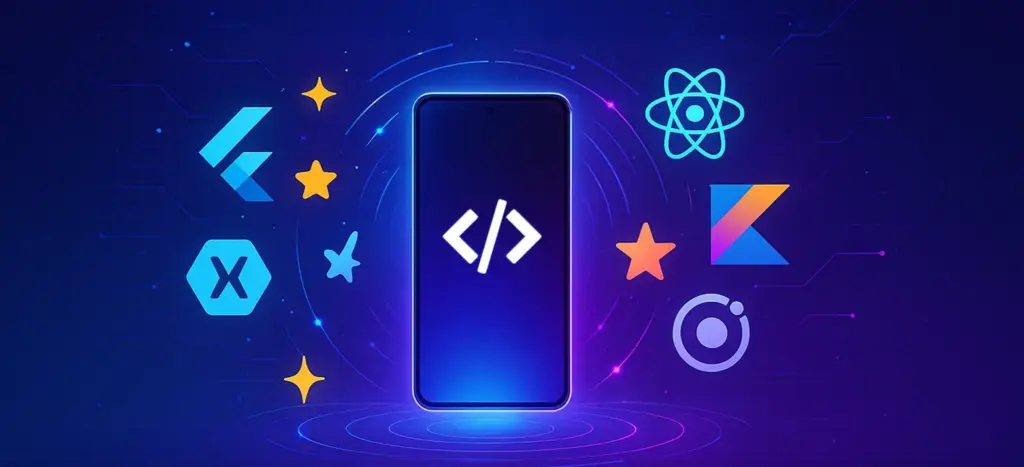
- Evolving frameworks like Flutter and React Native are enhancing cross-platform development with improved performance, increased native features, and smoother user experiences.
- Expect more cross-platform apps to incorporate AI and machine learning for personalized experiences. Advanced analytics and improved automation will boost apps’ intelligence and efficiency.
- PWA merges web and mobile app features into one, offering seamless user experiences without the hassle of distribution through app stores. It is an inexpensive solution to reach users on a wide variety of platforms.
- Enhanced development tools and assets will move forward with cross-platform development. Advanced debugging, extensive libraries, and strong community support, will streamline the process and accelerate time-to-market.
- Future cross-platform frameworks will integrate advanced security features. It will offer developers improved tools and practices to ensure robust data protection and adherence to industry standards.
- As demand proceeds to rise for speedier and more cost-effective solutions, more businesses are utilizing cross-platform development. This will continue to drive innovation and investment in making these technologies much more robust and reliable.
Tips to Choose The Correct Cross Platform App Framework

With many cross-platform frameworks available and new ones emerging, start by understanding your project's needs and goals. Follow these tips to choose the best fit for your app development.
1. Team’s Expertise
Choose a cross-platform framework based on your team's existing skills. For instance, if you have strong JavaScript developers, consider frameworks like React Native to leverage their expertise effectively.
2. Check Reviews
Ensure the framework's long-term support by researching its maintainer and their track record. Check the companies behind it and review mobile apps developed with the framework.
3. UI Personalization
Evaluate how easily you can customize the UI with your chosen framework. For instance, Kotlin Multiplatform with Compose Multiplatform allows UI sharing across platforms, leveraging Kotlin and Jetpack Compose.
4. Framework Stability
Check the frequency of changes in a framework’s public API and tooling. Review GitHub for bug reports and handling to gauge potential challenges and stability in your mobile app development framework.
5. Security
Security is crucial for business apps like banking and e-commerce. Ensure your cross-platform framework addresses key risks like insecure data storage. Check its issue tracker for security concerns.
BrainX Can Be Your Best Mobile App Development Partner!
BrainX stands out as a reliable partner for cross-platform mobile app development, leveraging advanced technologies to deliver high-quality solutions. Our talented team utilizes a single codebase framework, ensuring faster development and reduced costs. BrainX emphasizes collaboration, offering tailored strategies to meet specific business needs. Our commitment to quality is reflected in thorough testing and quality assurance processes that ensure smoothness in user experience. BrainX helps businesses capitalize on innovative design, efficient performance, and timely delivery solidifying their position to succeed in a competitive digital landscape.