

The healthcare industry is undergoing a digital revolution, with medical software at its core, powering electronic health records (EHRs) to diagnostic algorithms and telemedicine platforms. DeepSeek-Coder, an open-source AI model designed for coding, is now making waves for its potential to transform medical software development.
Trained on 2 trillion tokens (87% code) and boasting a 128K context window, DeepSeek-Coder offers precision, scalability, and cost-efficiency that could redefine how healthcare solutions are built.
But how does it stack up against competitors like ChatGPT, Claude, or GitHub Copilot, and what unique value does it bring to medical software?
This blog explores DeepSeek-Coder’s capabilities, compares it with leading AI coding models, and highlights its untapped potential in healthcare. By the end, you’ll see why DeepSeek-Coder is poised to be a game-changer for medical software developers.
DeepSeek-Coder: A Game-Changer for Coding

DeepSeek-Coder, developed by DeepSeek, is a family of open-source AI models (1B to 33B parameters) tailored for coding tasks. Its training on 2 trillion tokens, with 87% dedicated to code, equips it to handle complex programming challenges with remarkable accuracy scoring 90% in mathematical tasks and 65.9% on LiveCodeBench. Its 128K context window allows it to process large codebases, making it ideal for modular projects like medical software. Add to that real-time syntax validation and project-level code completion, DeepSeek-Coder emerges as a powerhouse for developers.
Training its largest model (DeepSeek V3) cost $5.6 million, a fraction of OpenAI’s $100 million for GPT-4, and its API is priced at just $0.55 per million tokens. For medical software, this affordability is a boon, enabling startups to build sophisticated solutions without breaking the bank. Its open-source nature further allows developers to customize the model, ensuring alignment with healthcare’s stringent requirements.
In medical contexts, DeepSeek-Coder’s precision is critical. Whether generating algorithms for diagnostic tools or backend code for EHR systems, its ability to produce error-free, modular code ensures reliability and patient safety. Unlike competitors, who focus on general coding tasks like web development, DeepSeek-Coder’s code-heavy training makes it uniquely suited for healthcare’s technical demands.
How DeepSeek-Coder Stacks Up
To understand DeepSeek-Coder’s place in medical software development, let’s compare it with leading AI coding models. Each model has strengths, but DeepSeek-Coder’s open-source flexibility and healthcare-specific potential fill gaps others overlook.
ChatGPT/GPT-4
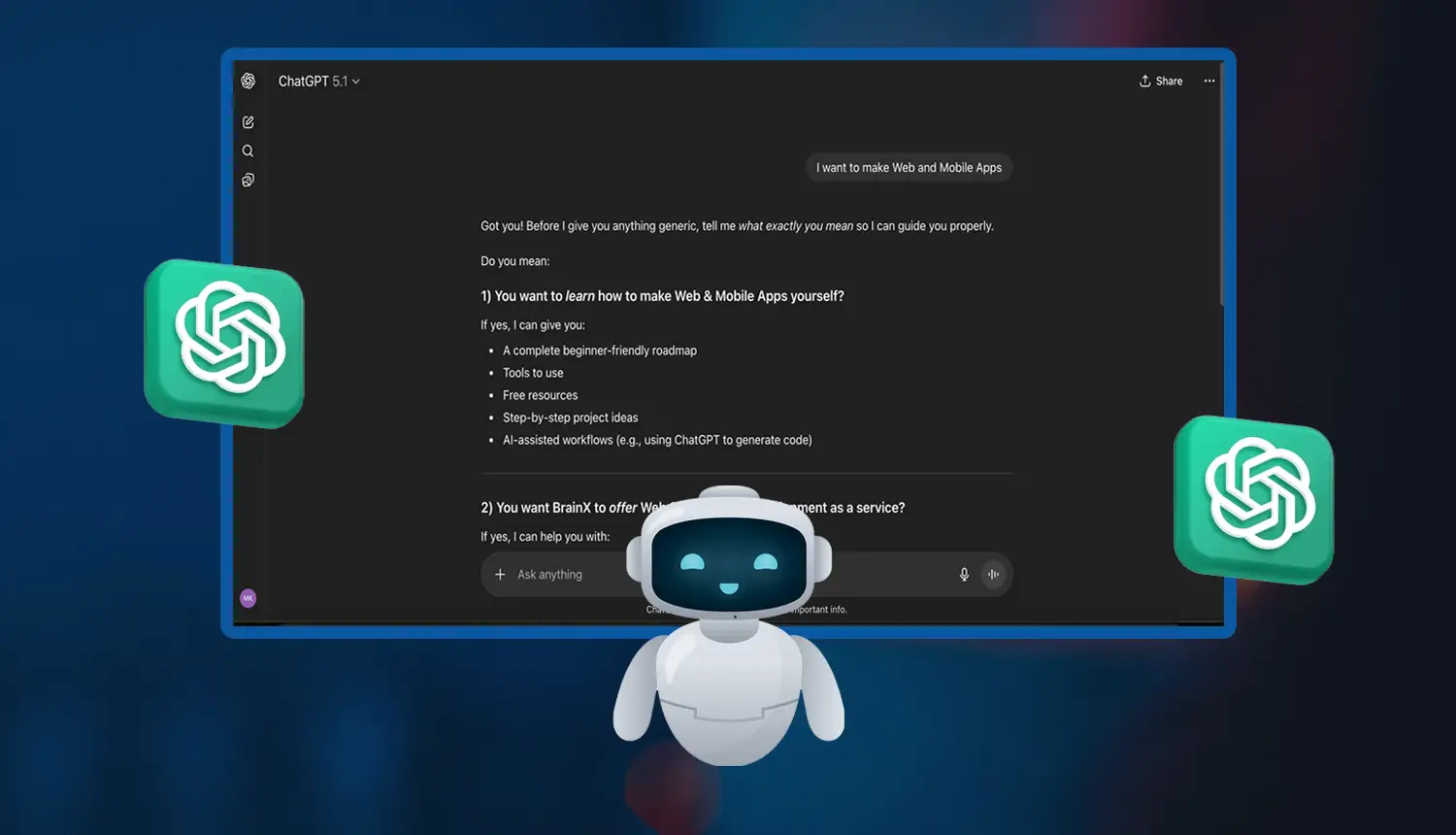
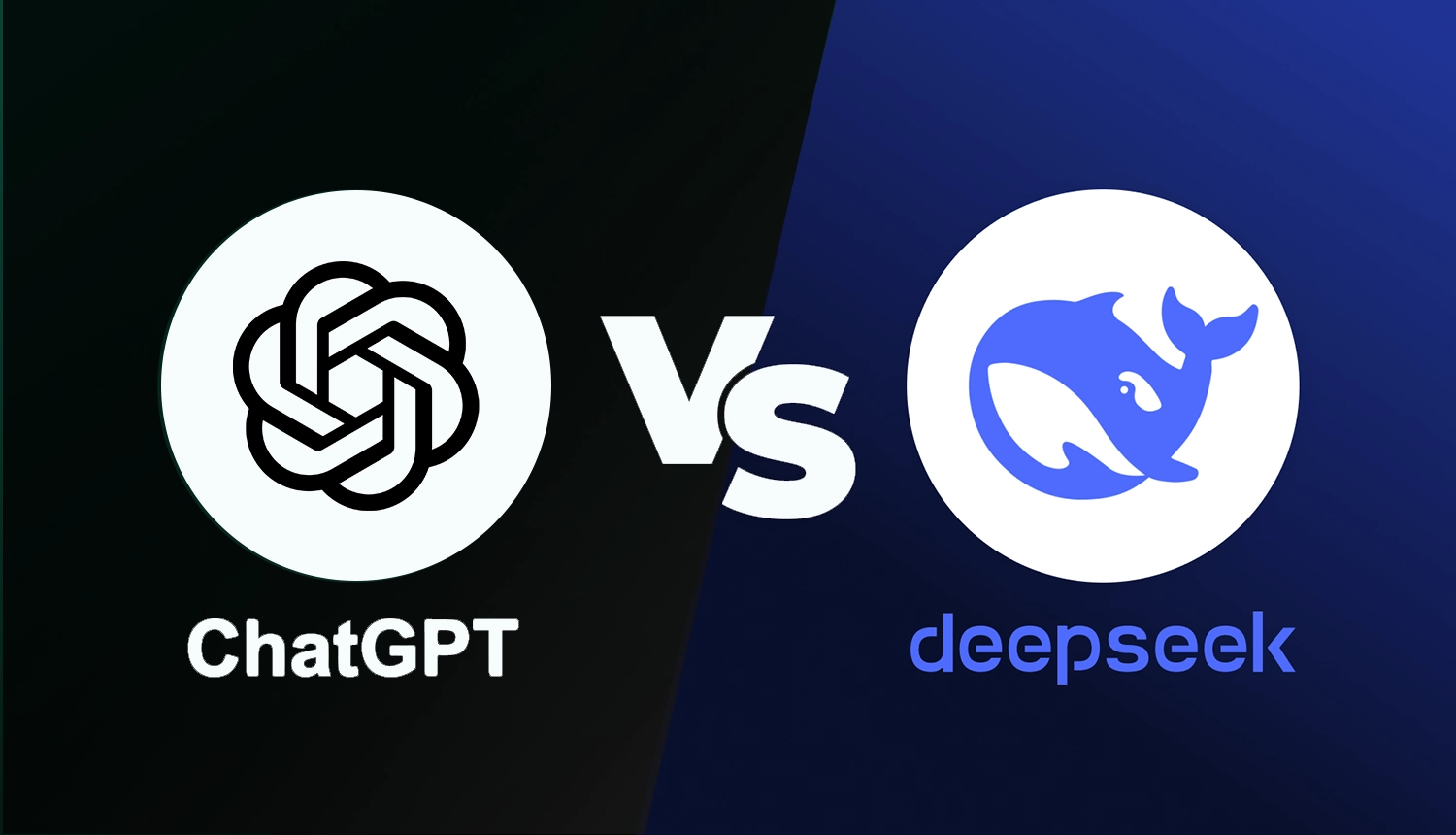
OpenAI's GPT-4 achieved 100% of ZDNET's tests. It has good contextual knowledge and thus suits user-oriented medical apps, such as symptom checkers or patient chatbots. However, its subscription model ($20/month) and proprietary nature limit customization for medical compliance, such as HIPAA or GDPR. For startups building secure medical software but stuck between the DeepSeek vs. OpenAI debate, this can be a dealbreaker.
Claude 3.5
Anthropic's Claude 3.5 aligns with healthcare's regulatory needs by offering premium code generation and ethical AI. Its 100K context window supports complex projects, but it falls short of DeepSeek-Coder’s 128K capacity. Claude’s higher enterprise costs and lack of open-source access make it less accessible for medical startups compared to DeepSeek-Coder’s free model.
Qwen2.5-Coder
Qwen2.5-Code supports 92 programming languages and rivals DeepSeek-Coder in cost-efficiency. Its smaller community and limited testing in medical contexts, however, reduce its reliability for healthcare applications.
DeepSeek-Coder’s larger parameter count (671B vs. Qwen’s smaller models) and code-specific training give it an edge for complex medical codebases.
GitHub Copilot
GitHub Copilot, integrated into IDEs like VS Code, boosts developer productivity by 2.4%. The seamless workflows allow rapid prototyping of medical apps but the 8K context window and proprietary model limit scalability for large healthcare systems.
DeepSeek-Coder’s open-source access and larger context window make it better suited for comprehensive medical projects.
DeepSeek-Coder
Shines with its free access, 128K context window, and low-cost API, ideal for medical software scaling. Its 671B-parameter model outperforms competitors like Gemini and Copilot in coding tests. However, security concerns, such as jailbreaking vulnerabilities, and occasional server downtime pose challenges for healthcare’s stringent standards.
Medical Software Use Cases Powered by DeepSeek-Coder
DeepSeek-Coder’s capabilities translate directly to medical software. These 4 key applications showcase its precision and scalability.
Electronic Health Records (EHRs)
EHR systems, such as Epic or Cerner, need sophisticated, interoperable codebases that meet standards such as HL7. DeepSeek-Coder’s 128K context window handles large EHR projects, generating modular code for patient data management.
Its real-time syntax validation ensures error-free integration with medical APIs. Competitors like ChatGPT focus on conversational EHR interfaces, but DeepSeek-Coder excels in backend complexity.
Diagnostic Algorithms
Diagnostic tools, such as AI models predicting diabetes risk, demand precise algorithms. DeepSeek-Coder’s 90% accuracy in mathematical tasks ensures reliable code for statistical models.
For example, it could generate a Python script for a machine learning model analyzing patient vitals. While Claude’s ethical focus suits healthcare, DeepSeek-Coder’s code-specific training makes it ideal for algorithmic precision, an area competitors underexplore.
Telemedicine Platforms
Telemedicine apps require secure, scalable code for video streaming and patient data handling. DeepSeek-Coder’s project-level code completion supports robust platforms, ensuring HIPAA-compliant data encryption. Its low-cost API enables startups to build affordable telemedicine solutions.
Medical IoT Integration
Medical IoT, such as wearables monitoring glucose levels, is a growing field competitors overlook. DeepSeek-Coder’s scalability supports real-time data processing from devices and generates code for secure IoT integration. For instance, it could produce a Node.js script for wearable syncing data to a hospital database.
DeepSeek-Coder Features
DeepSeek- Coder offers a robust suite of tools suited for medical software development, addressing healthcare’s unique requirements with ultraprecision and adaptability.
Customizable AI Coding Assistant
AI assistant leverages its 87% code-trained model to generate, debug, and complete medical software code, such as EHR backends or diagnostic algorithms. Its adaptability supports healthcare-specific customization, ensuring compliance with standards like HIPAA.
Real-Time Code Processing
Processes code inputs instantaneously, delivering practicable outputs for real- time medical operations, like telemedicine platforms or IoT diagnostics. This speed benefits healthcare organizations requiring immediate, reliable software solutions.
Multilingual Coding Support
Supporting 338 programming languages, DeepSeek- Coder enables global inventors to make medical software in distinct environments. It facilitates multicultural healthcare solutions for international markets.
High-Level Security Protocols
Incorporates native encryption and secure data-handling to protect sensitive patient data, crucial for medical software compliance with GDPR and HIPAA, ensuring trust in healthcare applications.
How Much Does DeepSeek-Coder AI Cost?
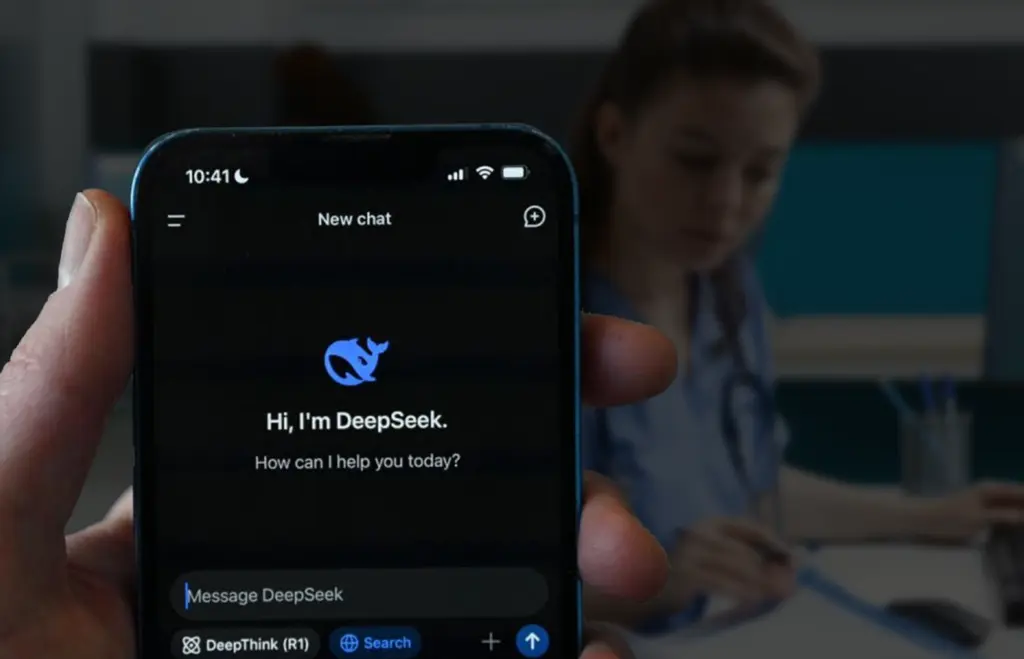
DeepSeek-Coder’s pricing model is designed to support medical software development, offering flexibility for businesses of all sizes. Its cost structure balances attainability with advanced functionality, making it competitive in healthcare.
1. Free Tier
- Offers basic AI coding facilities for free.
- Perfect for prototyping tools like small-scale medical diagnostics.
- Democratizes access to medical software development.
- Supports innovation in resource-limited settings.
2. Paid Tiers
Starts at $0.55 per million tokens and unlocks enhanced features such as:
- Real-time data processing
- Custom code generation
- Designed to scale with usage and project needs.
- Free trials are available to explore premium capabilities.
3. Enterprise Plans
Tailored for large healthcare organizations and includes:
- Advanced security and compliance tools
- Prioritize support
- Full-suite AI development capabilities
4. Competitive Advantage
Unlike ChatGPT’s fixed $20/month cost, this model offers:
- Greater pricing flexibility
- More developer-centric features for healthcare innovators
Developed at a fraction of the cost ($5.5M vs. OpenAI’s $100M), ensuring cost-efficiency without compromise
Why DeepSeek-Coder is Booming: Key Factors Driving Growth
DeepSeek-Coder’s rapid rise in healthcare stems from its innovative technology and strategic market positioning, disrupting the AI coding landscape.
1. Innovative Coding Algorithms
DeepSeek- Coder’s 671B- parameter model and 90.2% HumanEval precision deliver superior code generation. It accelerates medical software development for diagnostics and EHRs, outpacing rivals like CodeLlama.
2. Robust Investor Support
Backed by major venture capital, it fuels aggressive expansion, enhancing its healthcare capabilities. This confidence drives innovation, enabling features like real-time IoT integration for medical software.
3. Surging Healthcare AI Demand
The growing need for AI-driven medical software, from telemedicine to clinical decision support, boosts DeepSeek-Coder’s adoption. Its customization meets healthcare’s complex demands, unlike generalist models.
4. Global Market Expansion
DeepSeek-Coder’s presence in the U.S., Europe, Asia, and Africa, coupled with 5–6M global users, supports multilingual medical software development, addressing diverse healthcare markets.
On January 10, 2025, DeepSeek launched its free chatbot app grounded on DeepSeek- R1 for iOS and Android. By January 27, it had surpassed ChatGPT as the top free iOS app in the U.S., signaling a global AI race and contributing to an 18% surge in Nvidia’s stock.
Medical Software Development Challenges
DeepSeek-Coder has creative promise but stands to confront harsh challenges that will have to be solved before there is mass adaptation within medical contexts.
1. Concerns around Data Privacy
DeepSeek-Coder's connection to Chinese servers sparks alarm at compliance with HIPAA and GDPR standards. Patient information's sensitive nature and global transportation expose them to data leakages and judicial infringement, creating strong, privacy-centric implementations required in healthcare sectors.
2. Barriers within Regulation
Medical software has to meet stringent regulatory standards like FDA, EU MDR, and MHRA standards. DeepSeek-Coder, being open-source and highly flexible, does not have inherent mechanisms for model explainability, risk assessment, and clinical validation, and hence regulatory approval is difficult.
3. AI Hallucinations and Inaccuracies
DeepSeek-Coder, as other large language models, is able to produce misleading or made-up information. In a health context, the errors might cause misdiagnosis, inappropriate treatments, or harm to patients and thus rigorous human monitoring is unavoidable.
4. Cybersecurity Risks
A significant DDoS assault in 2025 revealed DeepSeek-Coder's vulnerabilities, highlighting the importance of strong encryption, network segmentation, and threat detection particularly when utilized in EHRs or telehealth platforms.
5. Server Downtime and Reliability Issues
Repeated server failures and delays, users complain, break DeepSeek-Coder's efficiency compromising its trustworthiness in mission-critical clinical settings. Medical software is required to have high availability and minimal downtime, especially during medical emergencies.
Opportunities in Medical Software Development with DeepSeek-Coder
Despite its challenges, DeepSeek-Coder presents powerful opportunities to transform the healthcare technology landscape.
1. Enhancing Medical Coding and Documentation
DeepSeek-Coder's capability to automate ICD coding, clinical summaries, and radiology reports can greatly reduce clinician workload and administrative burden. It improves workflow effectiveness and patient care quality.
2. Enabling Clinical Decision-Making
When combined with expert validation, DeepSeek-Coder can assist in diagnosis suggestions, treatment plan generation, and literature summarization.
3. Speeding Up Drug Discovery and Genomic Research
Its natural language and coding abilities make DeepSeek-Coder a valuable tool for the analysis of biomedical literature, gene annotation automation, or drug repurposing support, accelerating innovation in medical research.
4. Enabling Localized, Secure AI Models
The architecture of DeepSeek-Coder can be adapted into localized deployments (e.g., PatientSeek), allowing offline or private server use. It addresses both privacy concerns and regulatory compliance while ensuring data sovereignty.
5. Promoting Open Innovation in Health AI
As an open-source tool it enables collaboration among developers, clinicians, and researchers worldwide. This fosters transparent model development, community-driven improvements, and cost-effective innovation in healthcare software.
The Future of DeepSeek-Coder in Healthcare
DeepSeek-Coder’s open-source, cost-efficient framework is set to revolutionize medical software, empowering global healthcare innovation. By enabling affordable, collaborative, and sustainable solutions, it addresses disparities and regulatory needs, shaping a transformative future.
1. Empowering Global Healthcare Equity
DeepSeek-Coder’s $0.55/million token API and open-source model allow developers in underserved regions to build affordable medical software, like diagnostic apps or EHRs, reducing healthcare disparities and enhancing access to quality care worldwide.
2. Fostering Open-Source Medical Innovation
Its open-source nature invites global collaboration, enabling developers to create tailored medical software, such as telemedicine systems or IoT wearables. Compliance with HIPAA and GDPR, accelerating patient-centric solutions for diverse healthcare challenges.
3. Driving Sustainable Medical AI
DeepSeek-Coder’s Mixture-of-Experts architecture supports scalable medical software, like real-time diagnostics, while aligning with Net Zero goals. This sustainability ensures long-term, eco-friendly healthcare advancements with minimal environmental impact.
BrainX Integrates AI That Works for Your Medical Software
BrainX empowers businesses to build medical software like DeepSeek-Coder’s projects. Its advanced natural language processing and code generation create precise EHRs, diagnostic tools, and telemedicine platforms. BrainX’s real-time processing, HIPAA-compliant security, and multilingual support enable global collaboration. With affordable, customizable solutions, BrainX accelerates healthcare innovation, ensuring patient-centric outcomes.
Visit BrainX Technologies to explore AI-driven healthcare solutions and join the medical software revolution.