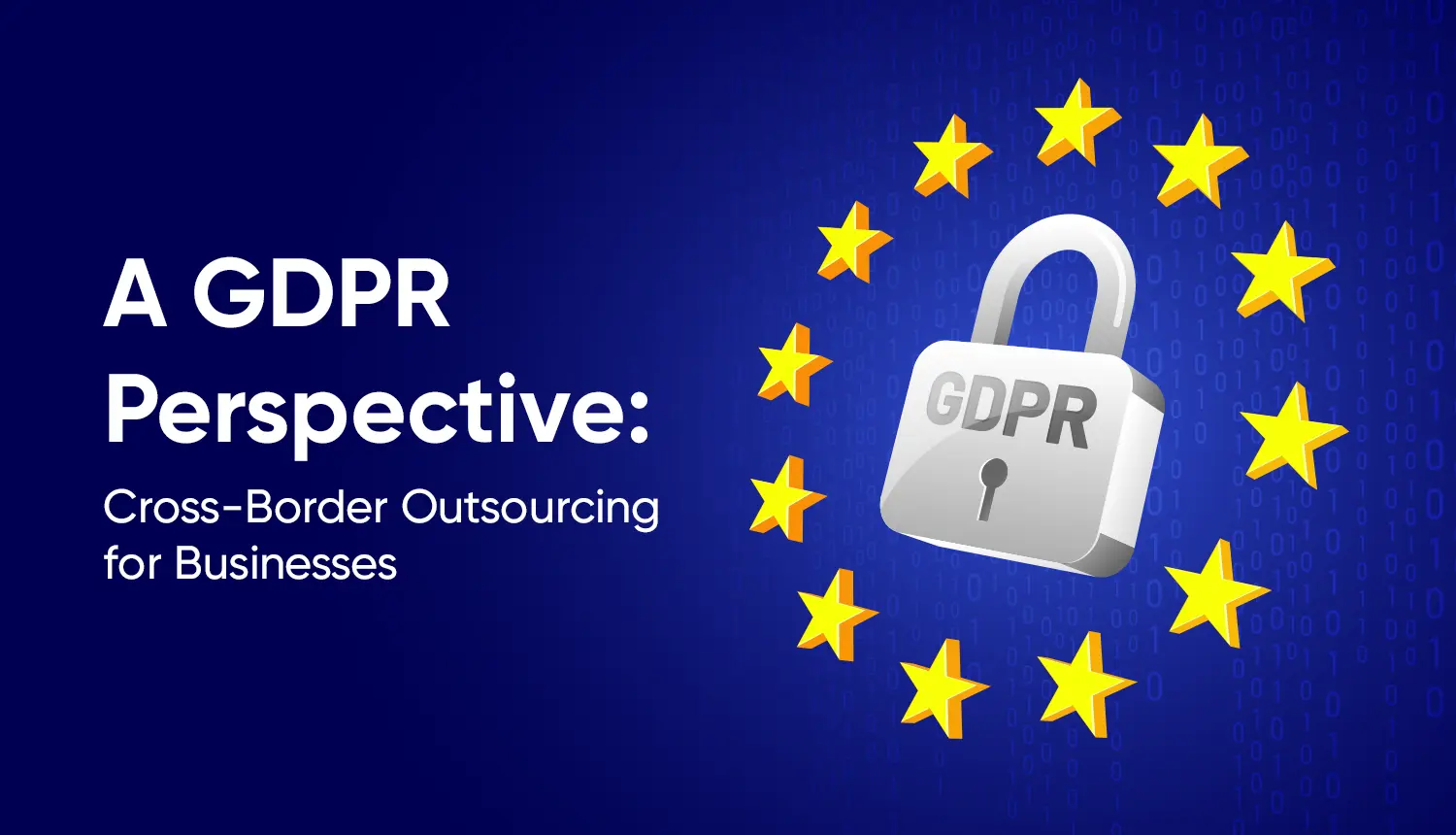

A GDPR Perspective: Cross-Border Outsourcing for Businesses is essential as companies move data globally. Under GDPR, transferring personal data outside the EU/EEA requires strict compliance to protect user privacy.
Globalization and technology have transformed the face of doing business in this networked world. Multinationals today stretch across a continent, outsourcing major services such as payroll, accounting, cloud management, and even customer service to cut costs and maximize efficiency. However, the faster information travels, the more complicated it gets to transfer data internationally. The most pressing problem is data privacy.
Being an integral part of international data privacy law, the GDPR has ensured that personal data is safely transferred beyond the borders of the European Union. It has made it possible in such a way that businesses are compelled to put in place sound compliance mechanisms. The stakes are quite high for this kind of organization because failure to comply may bring about hefty fines and reputational damage.

The Basics: What is GDPR?
Cross-border data requires moving and sharing personal data from the European Economic Area (EEA) to another jurisdiction. In such activity, organizations are obliged to follow the strict rules laid down under the GDPR. It ensures that the personal data of EU citizens is not transferred to countries without equivalent standards for data protection.
It provides complete details about issues of privacy, personal data protection, and information security within the EU as well as within the EEA. The new regulation shall be applied not only to the organizations based in the EU but also to the ones located outside the area who are collecting or processing data on those residing in the EU, usually referred to as "data subjects."
The foundation of GDPR rests on empowering the data subject with more control over his or her data. It also holds the organization collecting and processing personal data liable to make sure this is done with transparent and lawful practices. A GDPR functions as a unified framework for data protection laws across EU member states.
Another salient focus of the GDPR is the regulation of international data transfers outside the EU and EEA, ensuring this third-party handling of personal data poses the same level of security or compliance as within the EU.
While GDPR certainly provides EU citizens with strong data protection, it does impose conditions on the standard of data protection that organizations around the world must adhere to better protect the privacy of EU citizens.
Cross-border transfers of data should be made to meet the requirements of such a framework in order to continue with compliance.
Significance of GDPR in Cross-Border Data Transfer
This means that most business setups adopt outsourcing as part of their means for growth. According to specific needs, three options can be availed: onshoring, nearshoring, and offshoring. The last model seems to be the best in practice due to its cost benefits and access to talent in most parts of the world.
While outsourcing comes with numerous advantages, it is not without its own set of complexities, particularly when taken in light of regulatory frameworks, such as the General Data Protection Regulation. In this respect, companies dealing in personal data find adherence to such regulations of essence while outsourcing their operations, particularly to third-party entities in other jurisdictions.
Overview of Key GDPR Principles
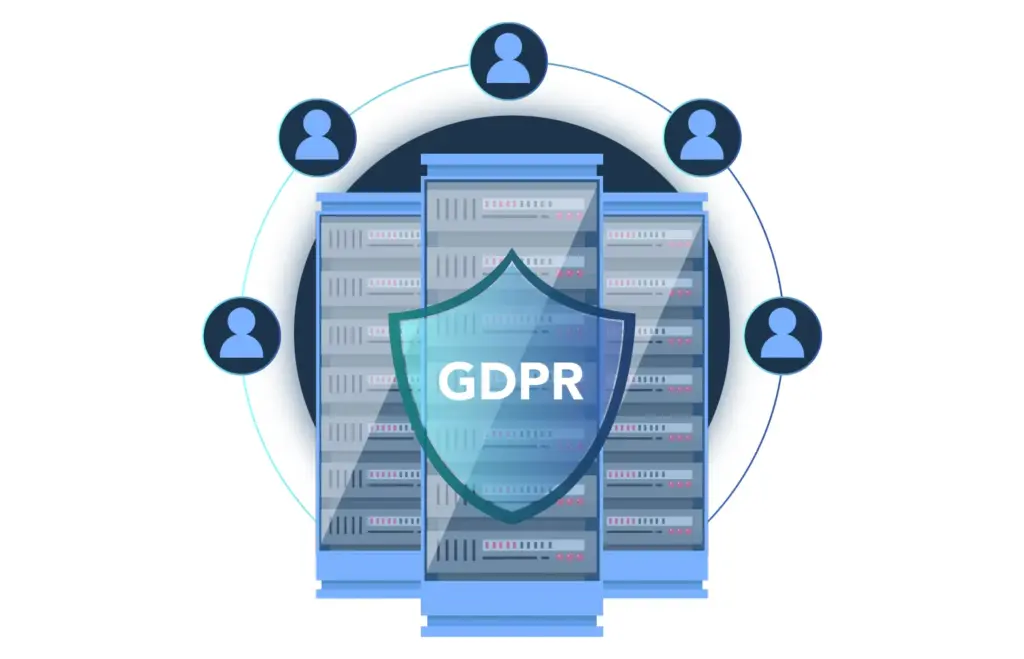
- Transparency: Organizations should inform individuals of the way information about them would be collected, stored, and used.
- Accountability: Entities should be able to ascertain compliance with adequate documentation and check for audits periodically.
- Data Minimization: An organization may collect and process personal data only to the extent that it is necessary to perform a particular purpose.
- Security of Data: An organization is supposed to take all the technical and organizational measures to prevent data leakage.
GDPR and Outsourcing: A Complex Relationship
The General Data Protection Regulation is a strong framework meant to protect the privacy and security of personal data. It sets out the rules for data controllers: organizations that decide how and why personal data is used, at every stage of data storage, whether local or transferred across borders.
In GDPR, personal data is information capable of directly or indirectly identifying the data subject, including names, identification numbers, physical locations, or online identifiers. For companies that perform tasks involving personal data on another company's behalf, strict obligations have been set upon the regulation to ensure their safety.
When businesses outsource or offshore operations, they often transfer personal data to third-party providers. In such cases too, the company that originally collected the data is responsible for safeguarding it. That means they must actively address risks and ensure that the data is handled securely and lawfully, no matter where or by whom it is processed.
GDPR Impacting Outsourcing Practices
Before GDPR's enactment, businesses frequently outsourced personal data-related processes without seeking explicit consent or conducting thorough risk assessments. This often led to data breaches, causing harm to individuals and tarnishing corporate reputations.
The practice of outsourcing has been greatly altered with the advent of GDPR. Now, companies are restricted by very stringent requirements to maintain the security and confidentiality of personal data throughout the lifecycle of outsourcing. Contracts must include the following key elements:
1. System Security
Adequate controls against unauthorized access, data loss, or breach.
2. Third-Party Risk Assessments
Periodic reviews of vendors' adherence to the standards of GDPR.
3. Roles and Responsibilities
Specific roles of data controllers and processors must be defined in contracts; both parties will be responsible for adhering to the mandates of GDPR.
4. Monitoring and Reporting
Mechanisms should be developed to monitor the usage of data and breach reporting must be prompt.
Cross-Border Outsourcing: Opportunities and Challenges
Opportunities
With these opportunities come significant challenges, especially regarding compliance with regulations and ensuring the safety of data.
1. Cost Efficiency
Outsourcing to countries that offer lower labor costs dramatically decreases operational expenses.
2. Access to Specialized Talent
Companies can access highly qualified people in areas such as IT, HR, and customer support.
3. Scalability
Outsourcing makes it easier for companies to scale up operations based on demand.
Cross-Border Data Transfers Challenges
Indeed, international business activities across borders happen to be inextricably linked to cross-border data transfers because this route allows information to be readily transferrable between borders. These benefits come, however, with a unique set of issues that organizations must work hard at addressing in order to comply and keep data safe.
1. Regulatory Compliance
- Differing Legal Systems
Every country differs in the rules on data protection. For instance, Europe has a GDPR, while China operates the PIPL. However, both strictly defined how data must be handled and transferred in their area of jurisdiction.
- Transfer Rules
These rules, like GDPR, demand that there be approved mechanisms to ensure data will be transferred legally, such as SCCs or BCRs.
2. Data Sovereignty and Localization
- The Local Storage Requirements
Require data about citizens to be stored within borders making it harder to have even limited management globally.
- Operational Roadblocks
These laws can delay the free flow of information, negatively impacting international business's operational efficiency.
3. Data Security Risks
- Greater Exposure
International data transfer exposes businesses to greater threats of cyber-attacks and unauthorized access.
- Third-Party Issues
Dealing with other countries' vendors entails additional security concerns arising from different standards and practices.
4. Operational Complexities
- System Compatibility
The systems and technologies of various countries must be compatible with each other. This can be a challenging task.
- Coordination Efforts
Data transfer between several regions requires a lot of time, expertise, and resources.
5. Ethical and Consumer Trust Concerns
- Transparency Expectations
Customers want to know that their data is treated responsibly, regardless of where it is processed.
- Reputation Risks
Mishandling data or failing to comply with regulations can damage a company's reputation and erode customer trust.
6. Government Surveillance
- Government Access
Some countries may demand access to data stored within their borders, potentially conflicting with privacy promises made to customers.
- Confidentiality Dilemmas
Companies often face tough decisions when asked to share sensitive information with foreign authorities.
7. International Agreement Uncertainty
- Divergent Rulebook
Inconsistent international policies on data protection law create ambiguity and increase the chance of non-compliance.
- Changing Agreements
Legal disputes may render set data transfer frameworks null, making it difficult for organizations to cope with new rules.
Measures to Combat Cross-Border Data Issues
- SCCs, BCRs, and adequacy decisions ensure cross-border data transfers comply with the law.
- Shield your data from unauthorized access via strong encryption, setting up access limitations, and routine security audits.
- Stay abreast of changing data protection laws and international agreements to have an edge over compliance requirements.
Cross-Border Transfers Under GDPR
One of the important things GDPR ensures is that data that leaves the EU/EEA stays protected to the same high standard.
1. Adequacy Decisions
The European Commission declares adequacy when it finds that a non-EU country ensures an adequate level of data protection similar to GDPR. Such countries do not need further protection measures for transfers. Examples of adequacy decisions are those for Japan, New Zealand, and commercial organizations in Canada.
2. Standard Contractual Clauses (SCCs)
SCCs are prior-accepted legal instruments that confirm the implementation of the data transfer according to GDPR rules. SCCs are highly utilized in those countries which have no adequacy decisions.
3. Binding Corporate Rules (BCRs)
BCRs are the internal regulations used by multinational firms to transfer data internally between their groups. Those rules guarantee that any affiliate company located anywhere is covered under the ambit of the rules of GDPR.
4. Derogations
In specified circumstances, GDPR permits data transfers in the following instances:
- Where the individual gives his or her explicit consent;
- To fulfill a contract to which that individual is a party;
- When it is necessary to protect another person's vital interests.
Practical Steps towards GDPR Compliance in Cross-Border Outsourcing
1. Data Transfer Impact Assessment (DTIA)
Before transferring data across borders, businesses have to assess the following:
- The legal landscape of the recipient country.
- The risks involved with the transfer.
- Safeguards are needed to mitigate such risks.
2. Strong Data Processing Agreements (DPAs)
As mandated by Article 28 of GDPR, these DPAs between the data controller and processor must:
- Clarify the scope and purpose of data processing.
- Include confidentiality clauses.
- Specify necessary security measures.
3. Implement Technical Safeguards
- Encryption
Ensure safe data sharing and transfer.
- Anonymization
Hide or terminate easily identifiable information.
- Access Control
Only allow authorized personnel to access data.
4. Monitor Third-Party Compliance
- Regularly audit outsourcing partners to ensure that they comply with GDPR.
- Request certification or proof of compliance with the approved codes of conduct.
5. Be transparent to Data Subjects
Inform the individual of cross-border data transfers using clear privacy notices including information about:
- Why is data being transferred?
- What safeguards will be used?
- Rights of the individual under GDPR.
GDPR Compliance Checklist Do's and Don'ts
Do's
1. Define Clear Data Protection Goals
State your objectives and set them in line with GDPR principles.
2. Appoint a Data Protection Officer (DPO)
Select a competent person to ensure compliance and provide advisory services.
3. Comprehensive Cookie Policy
Be transparent about data collection and get explicit consent from users.
4. Update Privacy Policies
Make them concise, clear, and user-friendly.
5. Empowerment of users
To allow access, edit, delete, or manage personal data and preferences.
6. Keep Accurate Records
Document all data processing activities to demonstrate compliance.
7. Verify Vendor Compliance
Ensure suppliers and subcontractors adhere to GDPR standards.
8. Enhancement of Security
Use encryption, anonymization, and more means for personal data protection.
Don’ts
1. Only Depend on Certifications
The certifications are the basis but not a guarantee of compliance.
2. Make Unsolicited Contact
Never contact someone without explicit consent.
3. Implementation on Paper
Ensure that compliance measures are not just on paper but implemented in practice.
4. Insufficient Physical Security Measures
Personal data can be prevented from unauthorized access using devices by using physical security measures.
5. Compliance as a One-Time Activity
Compliance is an ongoing process that requires regular updates and reviews.
The Role of Supervisory Authorities and International Agreements
1. Supervisory Authorities
Organizations such as the European Data Protection Board play a significant role in enforcing GDPR. They provide guidelines, audit businesses, and penalize violations.
2. International Agreements
Global trade agreements try to facilitate cross-border data flows. However, to comply with the GDPR, the standards must be aligned with it.
How Companies Can Be GDPR Compliant
“Want to explore smarter ways to scale your team while staying compliant? Check out our Detailed IT Staff Augmentation Handbook for strategic insights.”
1. Data Protection Officer
An individual ensures compliance, advises on the issue, and acts as a contact point for supervisory authorities.
2. Collect Granular Consent
Provide the individual with specific, informed consent over every type of data usage.
3. Map Your Data
Understand and justify what data is being collected, why it's necessary, and how it is used.
4. Draft a Privacy Policy
Come up with a clear, GDPR-compliant policy that ties all data protection measures together.
5. Draft Data Processing Agreements (DPAs)
Clearly outline roles, responsibilities, and compliance requirements for all involved parties.
6. Be Prepared for Incidents
Have a plan in place to respond quickly in case of any data security incidents.
7. Be Transparent
Communicate with clients openly about the data collected, its purpose, and their rights.
Emerging Trends in Data Protection
1. AI and Data Privacy
As AI is increasingly used in data processing, ensuring GDPR compliance in automated systems is the need of the hour.
2. Blockchain for Security
Blockchain technology has introduced fresh ways of sharing and storing data securely.
3. Global Standards
Increasingly, more nations are adopting frameworks similar to the GDPR, paving the way for unified global data protection standards.
Frequently Asked Questions: GDPR & Outsourcing
1. Why does GDPR matter when outsourcing?
Answer:
When you outsource tasks to another company, especially overseas—you often share personal data. GDPR makes sure that no matter where that data goes, it’s protected. It’s about keeping EU citizens' privacy intact, even when services are handled abroad.
2. Can I send personal data outside the EU legally?
Answer:
Yes, but you need to follow the rules. GDPR allows international data transfers if the receiving country has strong data protection laws or if you use approved legal safeguards like SCCs or BCRs.
3. If I outsource, am I still responsible for GDPR compliance?
Answer:
Yes. Even if a third-party vendor is handling the data, your company is still on the hook. You’re responsible for making sure that data is processed securely and in line with GDPR.
4. What could go wrong if I don’t follow GDPR when outsourcing?
Answer:
A lot. Data leaks, customer backlash, and even big fines—up to €20 million or 4% of your annual revenue. It’s not just a legal risk, but a trust issue with your users.
5. How do I make sure my outsourcing stays GDPR-compliant?
Answer:
Start by choosing the right partners. Sign solid Data Processing Agreements, use encryption, limit access, and keep your users informed about where their data is going and why.
BrainX: Your Trusted SaaS Partner for GDPR Compliance
At BrainX, we care about your privacy. We are a leading SaaS provider that ensures to follow the stringent requirements of GDPR to handle your data very carefully.
Partnering with BrainX is a way to choose a company dedicated to ethical data management and committed to earning your trust through robust privacy practices.
- We inform you about how your data is collected, processed, and stored, ensuring full transparency and control.
- Our platforms make accessing, updating, or deleting your data easy, aligning with GDPR’s user rights.
- We use advanced encryption, secure access controls, and regular audits to protect your data.