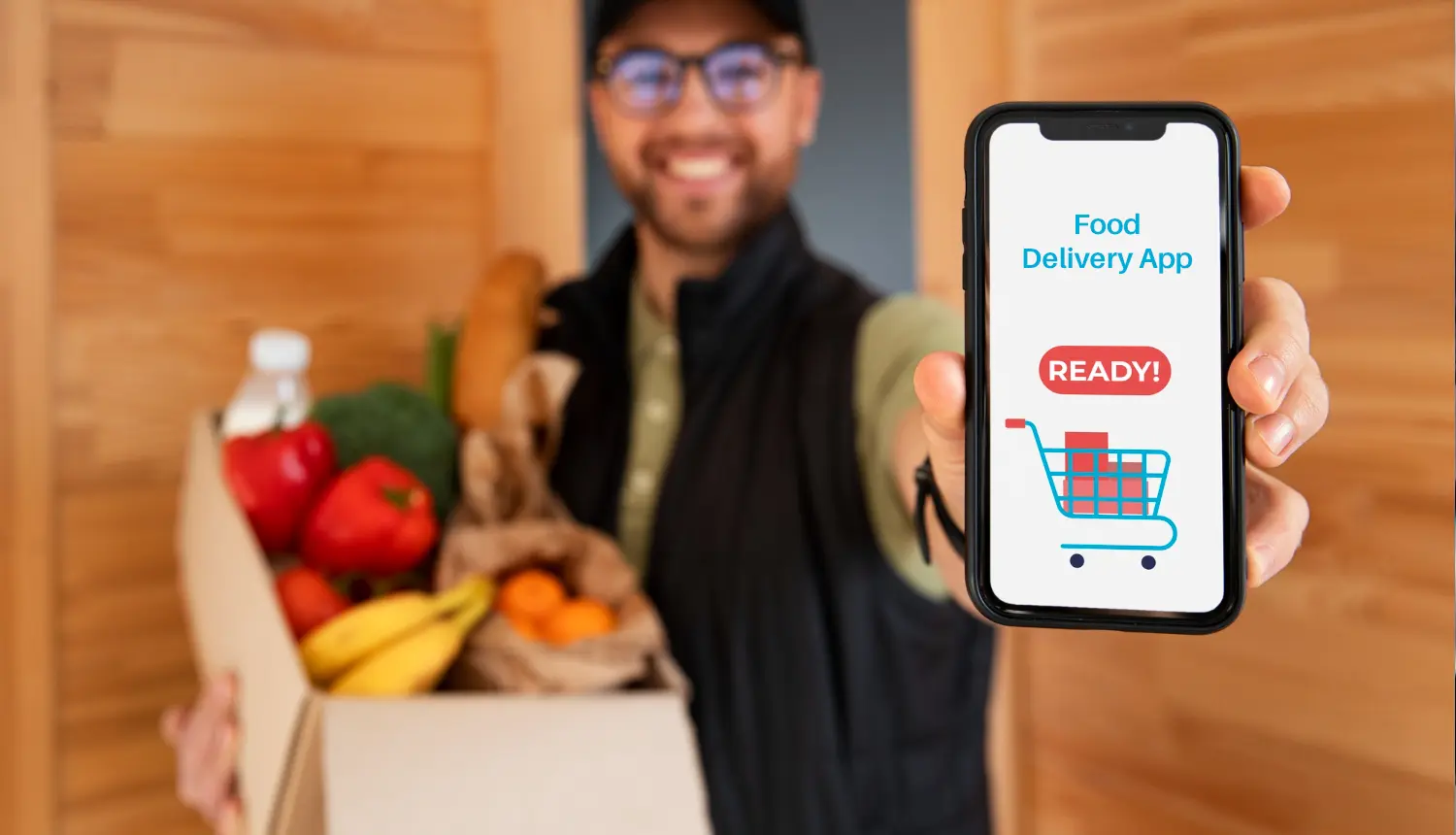

We all know that feeling when the cravings come hitting hard-especially in the dead of night. Who would bother getting out, right? That's precisely why on-demand food delivery apps can satisfy all those cravings in just a few taps on your smartphone.
The on-demand food delivery market is growing at an incredible pace. According to Statista, the industry was projected to reach $339 billion in revenue by the end of 2022. With an annual growth rate of 13.68%, the market is expected to surge to $1.45 trillion by 2027.
These numbers make it clear that now is the right time to take your restaurant or food business online and reach a much larger audience. By investing in an on-demand food delivery app, you can streamline your operations and make your menu instantly accessible to customers who value convenience.
At BrainX, we specialize in building powerful on-demand solutions. Our team has delivered white-label platforms for restaurant aggregators, ordering apps, and delivery services—helping businesses modernize their operations and stay ahead in a highly competitive industry.
This blog will be the ultimate guide for business enthusiasts and entrepreneurs. This shall enlighten you about the benefits of on-demand food delivery app development and its scope in the booming IT industry.
15 Benefits of On-Demand Food Delivery App Development
On-demand food delivery app development will benefit businesses to have improved growth, revenue, and customer retention. Here are 15 key benefits that explain how this market can be lucrative for investment and is a very strategic move:
1. Market Scale
The on-demand food delivery app development allows businesses to reach larger customer markets at local and international levels while creating a much larger customer base.
2. Tapping into Growing Demand
Increasing order volumes online and consumers' penchant for convenience will continue to spur the demand for food delivery, thus opening up further scope for growth.
3. Multi-Angle Revenue Streams
On-demand app development introduces multiple sources of revenue: delivery charges, advertising, partnerships, and subscription-based models, all adding up to a smooth balance of revenues.
4. Growth in Revenue
With digital orders as a channel, companies could reap increased profitability with increased convenience to their customers.
5. Low Entry Barriers
Food delivery apps are not as capital-intensive as traditional businesses. It is, therefore, easier for startups and entrepreneurs to launch such a business.
6. Growing Investor Confidence
The innovative approach of the on-demand food delivery app development aligns well with consumer trends. It also helps attract venture capital and investor interest, thus increasing growth potential.
7. Greater Convenience for Customers
On-demand app development enablesenable users to order food anytime and anywhere, which will answer the call for fast, easy, and reliable solutions.
8. Data-Driven Marketing and Insights
Understanding customer preferences helps businesses create better experiences. They can offer products and services that feel personal. Targeted marketing works better if you want to engage more users and earn loyalty.
9. Efficient Operations
Automation reduces human errors in order-taking, accelerates service delivery, and ensures efficient coordination between restaurants and delivery personnel.
10. Scalability for Growing Demand
On-demand apps are designed to handle growing user numbers and geographic expansions, enabling businesses to scale operations seamlessly.
11. Stronger Brand Visibility
A good app increases a brand’s visibility in the digital space and makes it more accessible to more people.
12. Customer Retention
App-based loyalty programs, promotions, and deals promote order repetition and maintain long-term customer relationships.
13. Customer Feedback and Interaction
Applications make giving reviews easy, which aids businesses in providing better service and maintaining relationships with their customers.
14. Integration with Lifestyle Trends
Let's be honest: Not only Gen Z but every generation today is fond of mobile-first apps. Such apps serve their purpose correctly and provide personalized customer experiences.
15. Future-Proof Business Model
Investing in a food delivery app positions businesses to be relevant and competitive in a rapidly digital-first world that is sustainable and growing.
3 Most Renowned Business Models for Food Delivery Apps
The choice of the correct business model depends on budget, market reach, and other operational resources that support one's long-term goals. Right business models simplify operations, and that lays the right foundation for a successful food delivery business. Here are three main business models for food delivery apps available, each designed to meet varying operational needs and target markets.
1. The Order-Only Model
This model focuses solely on connecting customers with restaurants by providing a platform to browse menus, place orders, and complete payments. However, it does not handle the delivery process. Instead, restaurants manage their logistics to fulfill customer orders.
This model is cost-effective and suitable for startups looking to act as intermediaries without investing in delivery infrastructure.
Key Examples
Just Eat and Grubhub are successful platforms that have adopted this model by acting as a digital bridge between customers and restaurants.
2. Order-and-Delivery Model
In this model, the food delivery platform handles both order processing and delivery logistics. The platform acts as a hub that coordinates between customers, restaurants, and delivery personnel. By managing the entire process, this model ensures a streamlined experience for all parties involved.
This model requires more operational complexity and resources but has a complete solution. Because of this, it remains very popular among entrepreneurs, who seek to gain an increased market share.
Key Examples
Uber Eats, DoorDash, and Deliveroo are companies operating on the model described above. For customers, this means accessing a diverse restaurant choice and reliable delivery services.
3. The Fully Integrated Model
The fully integrated model offers end-to-end control over the entire process of meal preparation to doorstep delivery. Businesses under this model own every aspect of the value chain, including cooking, packaging, and logistics. This approach ensures a consistent customer experience but requires significant investment and infrastructure.
Virtual or cloud kitchens are cost-effective alternatives to the fully integrated model for new businesses. This would allow restaurants to start small without having overhead costs for physical dining spaces.
Key Examples
It is useful for Domino's and McDonald's since it allows them to maintain control over their brand and delivery operations, providing a seamless experience for their customers.
8 Revenue Models for Food Delivery Apps

The most significant thing in the development of a successful on-demand food delivery platform is having a sound monetization strategy. The businesses can get profitability through various revenue streams while ensuring value to the users and partners. Below are some of the most effective and widely adopted revenue models for food delivery apps:
1. Delivery Charges
One of the most straightforward revenue models is charging customers for delivery services. These charges can be:
- Fixed: A set fee is applied to every delivery.
- Dynamic: Adjusted based on factors like distance, delivery time, or order size.
Dynamic pricing ensures fair compensation during peak demand or for longer delivery routes. Additionally, platforms can attract loyal users by offering subscription plans that waive delivery fees, increasing customer retention.
2. Commission from Restaurants
Another common strategy is to get into partnerships with restaurants and offer a commission for each completed order.
- Flexible Rate Commission: This can range from restaurant size, volumes of orders, or high demand.
- Win-Win Model: the platform takes in steady revenue, and at the same time, restaurant owners get a chance for increased visibility and order volume.
Offer discounts to attract new or smaller restaurants that are in the growth cycle.
3. Paid Ads
A steady income stream can be derived by selling advertising space to restaurants or other businesses through a food delivery platform.
Restaurants can pay for:
- Increase visibility.
- Be at the top of search results.
- Run promotional campaigns within the app.
- This model will allow smaller establishments to compete with larger ones while allowing the platform to generate revenue without interfering with primary operations.
4. Membership Subscriptions
Subscription-based models allow customers to enjoy exclusive perks such as:
- Free deliveries.
- Access to special deals and discounts.
- Priority customer support.
- Platforms can establish a recurring revenue stream through the periodic charging of a monthly or yearly fee.
5. Surge Pricing
Surge pricing is one way in which to maximize revenue, especially during high-demand times.
Platforms can increase delivery charges during the following:
- Holidays.
- Weekends.
- Adverse weather conditions.
- This model boosts revenue and motivates delivery personnel to work during busier times.
6. Aggregator Commission
In the aggregator model, platforms deduct a commission directly from the payments received for orders.
- Process: The platform holds a pre-set percentage of the total payment and the remaining amount is sent to the restaurant.
- Advantage: This makes collecting revenues easy and ties the commissions directly to the order value.
7. Promotions and Marketing Campaigns
Restaurants often pay extra for the visibility of getting ahead of their competition.
Platforms can offer:
- Promotional spots.
- Featured listings.
- It helps new restaurants to acquire an audience faster and earn supplemental income for the platform.
8. Premium Deliveries
Platforms can now offer premium deliveries at some extra charge.
Some may include:
- Express Delivery in case of rush orders
- Eco-Friendly Packaging for users who wish to use eco-friendly packaging.
- Those premium services cater to those niche markets and give income from a different angle.
10-Step Guide to Creating an On-Demand Food Delivery App

Developing an application to provide food can revolutionize how people consume meals in this advanced era. However, creating an application requires a lot of planning, a great understanding of what the user needs and the right features added. The following steps can help you take a better start:
Step #1 Create a Minimum Viable Product (MVP)
An MVP is an efficient method to test your idea at minimal investment. Focus only on the essential features that include order placement, processing of payment, and monitoring of delivery. This allows you to gauge customer interest and refine your app based on real-world feedback.
Step #2 Define Your Business Model
The business model dictates how your app generates revenue and connects with users. Common options include:
- Commission-based: Charging restaurants a fee per order.
- Subscription-based: To offer features for continual charges to users who subscribe to the premium version.
- Advertisement-based:Generating income through in-app ads.
For example, Grubhub’s commission-based model provides sustainable revenue, while Uber Eats targets urban professionals with features tailored to their needs, demonstrating how aligning your model with your audience drives success.
Step #3 Identify and Understand Your Target Market
- Comprehending your audience is essential.
- Conduct demographic research, pinpoint geographical focus areas.
- Consider cultural preferences.
For instance, Uber Eats thrived by catering to busy urban professionals and prioritizing swift delivery from diverse restaurants. This understanding helped them design features and services tailored to their audience’s expectations.
Step #4 Conduct Market Research
Thorough market research reveals opportunities and challenges within the competitive landscape.
- Competitor Analysis:Examine successful apps to identify trends and gaps.
- User Feedback: Find out how users are interested in aspects like fast delivery or real-time tracking.
- Trend Monitoring: Monitor emerging technologies and changing needs in the market.
DoorDash's success came because they addressed local-market needs not being fulfilled and created a service that filled those needs.
Step #5 Design the App for an Outstanding User Experience
- An intuitive, visually appealing design is crucial.
- Keep it minimal enough to maintain user-friendliness.
- Incorporate engaging visuals and clear layouts.
- Make your app friendly to various devices and screen sizes.
Zomato makes it easy for customers to browse and order their favorite dishes with unique interfaces.
Step #6 Develop a Standard Client App
Your app must satisfy all key stakeholders within the food delivery ecosystem; that includes your customers, restaurants, and delivery personnel.
- Customer Features: Menu browsing, order tracking, and diverse payment options.
- Restaurant Features: Tools for managing orders, updating menus, and analyzing performance.
- Delivery Personnel Features: GPS navigation, real-time order status updates, and communication tools.
- This modular design ensures every user has a tailored experience that meets their unique needs.
Step #7 Partner with a Reliable Development Team
- Select the right tech partner.
- Choose a team experienced in developing food delivery apps, with strong client testimonials and expertise in scalable technology integration.
For instance, McDonald’s partnership with Capgemini produced a seamless app experience, significantly increasing their digital sales.
Step #8 Test and Launch Strategically
Testing ensures your app operates flawlessly and securely. Focus on:
- Functional Testing: Verifying the performance of key features.
- User Experience Testing: Assessing usability and customer satisfaction.
- Security Testing: Safeguarding user data against breaches.
When launching, start strategically in a specific market. Build a strong local presence before gradually expanding. DoorDash’s city-by-city rollout exemplifies this approach, allowing them to adapt effectively to specific market needs.
Step #9 Leverage Marketing and Feedback
Apply the following strategies for engaging more users and retain them:
- Social Media Campaigns: Drive awareness and engagement.
- Special Offers: Attract new users and retain existing ones.
- Partnerships: Collaborate with popular restaurants or influencers.
- Post-launch: Actively gather user feedback to continuously improve the app.
Companies like Uber Eats and Zomato excel by incorporating user suggestions into regular updates, enhancing their platforms’ appeal.
Step #10 Focus on Long-Term Maintenance and Scalability
Sustained success requires maintaining and scaling your app effectively.
This involves:
- Routine Updates: Upgrade your app with the latest features for better performance.
- Customer Support: Provide timely assistance to users.
- Performance Monitoring: Quickly identify and resolve any issues.
For instance, Talabat updates its application continuously, so that new features may be added to improve customer experience. As a result, the firm maintains its market leader status in the Middle East.
Features of On-Demand Food Delivery Apps
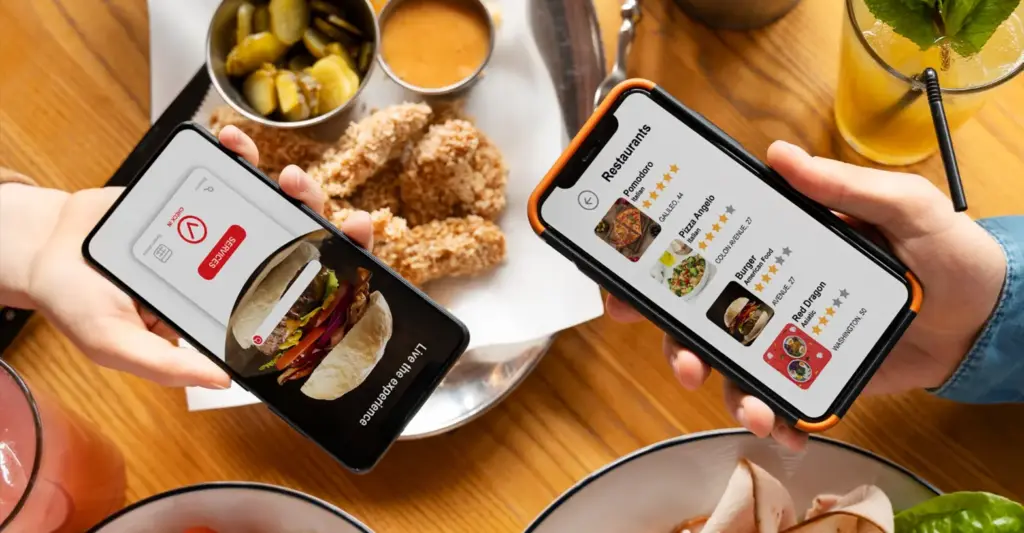
Incorporating the above, a successful on demand food delivery application must consider implementing features to serve consumer interests, restaurant needs, and couriers' demands. Below is an in-depth detail of some of the fundamental features that should be represented for each user group accompanied by real-life examples from high-ranking food delivery apps across the globe.
Consumer Apps
1. User-Friendly Interface
An intuitive design that makes navigation, ordering, and account management easy.
Example: Uber Eats has a very simple, clean interface, making it easy for users to browse and order.
2. Real-Time Order Tracking
This feature gives the user live updates of an order's status from preparation to delivery.
Example: Deliveroo allows real-time order tracking to keep its users updated on the order's location, and estimated delivery time.
3. Multiple Payment Options
This feature accepts various forms of payment, including credit/debit cards, digital wallets, and cash.
For instance: Zomato accepts more than one payment mode; hence, the service would cater to a wide category of users in India.
4. Personalized Suggestions
Promotes restaurants and dishes according to individual preference through user data.
Example: A Swiggy uses an algorithm created by machine learning to personalize the food recommendation
5. Reviews and Rating
Ratings for dining or takeaway experience are encouraged to ensure quality improvement.
Just Eat Example: The same Just Eat enables one to post ratings and reviews on platforms to aid other people in the decision-making process.
Restaurant Apps
1. Order Management System
Orders intake, and manages and monitors orders.
Example: Grubhub has an entirely different application where restaurants handle incoming orders.
2. Analytics and Reporting
The application gives insight into sales, customer preference, and operational performance.
Example: Postmates allows restaurants to analyze trends and behavior by customers.
3. Promotion Management
Restaurant facilitates in designing and managing special offers or discounts.
Example: Foodpanda allows restaurants to create promotional campaigns using its partner interface.
4. Customer Feedback Integration
It gathers and displays user reviews so that restaurants can refine their offerings.
Example: Talabat offers a feedback system that helps restaurants in addressing customer complaints.
Courier Apps
1. Delivery Assignment and Routing
It assigns the orders and suggests the optimal routes for delivery.
Example: Glovo uses sophisticated algorithms to assign deliveries and provide efficient routes.
2. Earnings and Performance Tracking
It allows couriers to track their earnings, delivery history, and performance metrics.
Example: Rappi offers couriers a dashboard to view earnings and statistics.
3. In-App Communication
Allows direct communication between couriers, customers, and support teams.
Example: GrabFood offers an in-app chat for real-time communication.
4. Availability Scheduling
Allows couriers to set their work availability and even schedule shifts.
Example: SkipTheDishes allows couriers to set and customize their working hours.
5. Safety and Compliance Features
Offers incident reporting, access to support, and regulatory compliance.
For example: Menulog provides Australia's couriers with safety resources and support features.
Key Players in the Food Delivery App Market of On-Demand
There are a few big companies in the food delivery market with their own strengths and market valuations worth hundreds of billions of dollars:
Uber Eats
Valuation: By November 2024, Uber and its Uber Eats division were valued at approximately $90 billion.
Overview: This organization connects with more than 6,000 cities across 45 nations by leveraging Uber's logistics network.
DoorDash
Valuation: $30 billion (November 2024).
Overview: Has owned 67% of the US food delivery market and also provides facility for grocery and convenience deliveries
Delivery Hero
Valuation: $15 billion (November 2024)
Overview: Provides services in over 50 countries, dominating in Asia, Europe, and the Middle East
Meituan
Valuation: $150 billion (November 2024).
Overview: Meituan China's biggest food delivery app is dominating with its 70% market share.
Swiggy
IPO Valuation: $12 billion in November 2024
Overview: Expanding into quick commerce with Instamart grocery deliveries.
Zomato
IPO Valuation: $8 billion (November 2024)
Overview: Leader in India, also expanding into grocery delivery through the acquisition of Blinkit.
GrabFood
IPO Valuation: Part of Grab Holdings' $14 billion valuation
Overview: Southeast Asian players, integrated within Grab's super-app ecosystem
Revenue Models for Current Food Ordering Applications
Modern food delivery applications sustain operations and garner revenue through a combination of the following revenue models:
1. Commission-Based Model
A percentage charge on each restaurant order (15-30%).
2. Delivery Fees
Users pay based on the distance, size of the order, or demand of the order.
3. Subscription Services
Free deliveries and other discounts in return for recurring fees.
4. Advertising and Promotion Fees
Places through the application are sold as advertising space and in a pay-per-listing format to maximize view reach.
5. Data Analytics Service
The platforms analyze customer behavior and preferences, based on which actionable insights are provided to partner restaurants.
Transform Your Food Delivery Vision with BrainX Technologies
The success of an on-demand food delivery app depends upon how the technical challenges are resolved. It ranges from making a seamless user experience to a robust backend. At BrainX Technologies, we can offer services in web and mobile development, AI integration, and blockchain solutions, ensuring scalable and secure applications. Connect with our experts today to take the first step towards achieving your dream on demand food delivery app.