

Choosing the right web development technology stack is one of the most important decisions for building scalable, secure, and high-performing applications. This guide breaks down its components, factors to consider, and 2025 web development trends while showcasing popular stacks and real-world case studies. By the end, you’ll know exactly how to select a web development technology stack that aligns with your business goals and supports long-term growth.
Airbnb achieves its seamless bookings through its strategic technology selection and Spotify delivers its cloud infrastructure services using the selected technology stack. Scalable web applications together with secure performance depend on specific combinations of chosen technologies. The selection of the right web development technology stack impacts how performant a system operates and influences growth possibilities across the long term and business expansion trajectory.
Business leaders making tech stack choices usually face demanding and difficult selection processes. An organization should maintain balance between user interface design with user experience and marketing plans because neglecting foundational technology creates risks to system trust and operational stability and expansion potential. Inadequate matching of technical components within the web development technology stack generates operational problems together with safety threats while creating growing technical challenges.
The challenge? There is no universal solution.
Chosen web development technology stack must meet requirements from target users while helping achieve business targets and running operations. What metrics should you use to decide when many programming options exist if you lack extensive programming understanding?
Your business vision needs a technology stack alignment, while lowering risks associated with the platform's scalability. Here in this blog we will assist business owners and decision makers on how to choose a web development technology stack strategically.
Definition of Web Development Technology Stack
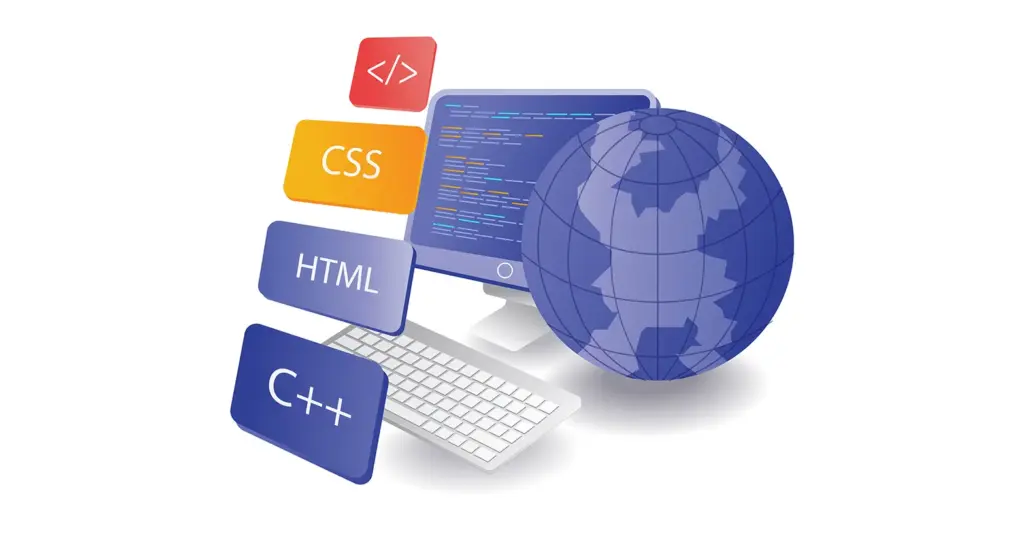
Web development technology stack combines comprehensive tools and technologies for creating and executing web apps. A web development technology stack contains elements for client-side programming along with server-side components alongside everything needed to operate the application.
A web application requires the selection of suitable technologies because this determines its operational speed and scalability together with its long-term manageability and user interface smoothness. A stack selection made with purpose brings development efforts into perfect alignment with organizational objectives while addressing user requirements effectively.
Components of a Web Development Technology Stack
Frontend (Client-Side)
The frontend allows users to interact directly with the platform. It encompasses everything that users experience visually and functionally in their web browsers. Key technologies and frameworks include:
- HTML (Hypertext Markup Language): Stands as the basic markup language which enables users to develop web page structures.
- CSS (Cascading Style Sheets): The web programming language CSS (Cascading Style Sheets) allows document appearance through HTML by managing visual aspects like document layouts, fonts and colors.
- JavaScript: Using JavaScript developers create various web page interactive elements through its versatile programming capabilities to show page animations and validate forms while dynamically updating content.
Frameworks/Libraries:
- React: Functions as a JavaScript framework which came from Facebook to create user interfaces through reusable UI components specifically for single-page applications.
- Angular: Maintains a platform and framework which enables developers to create single-page client applications through HTML and TypeScript. Google supports this development platform.
- Vue.js: Operates as a progressive framework to develop user interfaces through its core library which prioritizes managing the view layer.
Backend (Server-Side)
User authentication functions together with server operations are among the tasks managed by the backend component as part of the server-side infrastructure. This leads to an efficient frontend operation by delivering the essential data and functions needed for smooth performance. Key technologies and frameworks include:
Programming Languages and Frameworks:
- Node.js: Operates from Chrome's V8 engine to permit developers to write server-side scripts using JavaScript which produces high-performance scalable applications.
- Django: Functions as a high-level Python web framework which supports quick development and practical decent design through DRY principles while embracing reusability for projects.
- Ruby on Rails: Presents itself as a server-side framework that uses Ruby to encourage web standards but includes predefined database and web service and page structures.
Databases
- PostgreSQL: Focuses on extending capabilities while following the SQL standards to process complex queries with large datasets.
- MySQL: The main open-source relational database management system which web solutions adopt for their core operations because it combines topnotch reliability with intuitive functionality.
- MongoDB: Functions as a NoSQL database which deploys document-oriented modeling for adaptable schema definition and scalability purposes suitable for managing extensive volumes of unorganized data.
Factors to Consider When Choosing the Right Web Development Technology Stack

Selecting the right web development technology stack depends on various factors.
1. Project Requirements
- Complexity: Small applications require simple stacks, while complex applications demand robust architectures.
- Application Type: Each software category including E-commerce platforms, content management systems as well as SaaS applications requires various tech stack compositions.
2. Scalability
- Horizontal Scaling: Additional servers help distribute application traffic.
- Vertical Scaling: Enhance server functionality to handle escalated workload.
- Database Scaling: Decision depends on the requirement for horizontal expansion because users will choose either SQL or NoSQL databases.
3. Development Speed and Time-to-Market
- Frameworks and Libraries: Pre-built components speed up development.
- Community Support: Large communities provide faster troubleshooting and better learning resources.
4. Performance
- Execution Speed: How fast the application processes requests.
- Load Time: Minimizing delays in content delivery enhances user experience.
5. Security
- Authentication: Ensure proper user authentication mechanisms.
- Data Protection: Encrypt sensitive data to prevent breaches.
- Security Standards: Follow industry best practices to mitigate vulnerabilities.
6. Budget Considerations
- Open-Source vs. Licensed Software: Open-source solutions are cost-effective, while proprietary software requires licensing fees.
- Development Costs: Some stacks require specialized developers, impacting hiring costs.
- Maintenance Expenses: Choose a stack that offers long-term sustainability.
7. Ease of Hiring Developers
- Availability of Developers: Widely used technologies like JavaScript and Python have larger talent pools.
- Skill Level Requirements: Some stacks have steeper learning curves.
8. Community and Documentation
- Support Resources: A well-documented stack ensures faster problem resolution.
- Active Community: A strong community fosters continuous improvement and innovation.
Trends in Web Development

In 2025, web development is influenced by several key trends:
1. AI-Powered Development
Enables programmers to complete their work through AI-driven code support systems which both streamline the work process and optimize operational speed. The AI software industry is expected to reach $126 billion throughout the 2025-2026 period.
2. Low-Code/No-Code Platforms
Allow quick application development which delivers coding-free resources for democratizing web development practices. By 2030 the low-code development market will achieve $187 billion in value.
3. Blockchain Integration
Delivers protected transaction systems which result in stronger data security. The worldwide blockchain sector demonstrates forecasting that it will achieve $69 billion in market value by 2030.
4. Progressive Web Apps (PWAs)
PWAs lets users access native-like browser interfaces that function even without the internet and deliver push message alerts. The PWA market will grow to $10.77 billion by 2027 while maintaining a yearly growth rate of 31.9%.
5. WebAssembly
Execute code at high performance levels to enable execution of both C++ and Rust programming languages on the web. WebAssembly experiences ongoing market growth because it fulfills performance-centered application needs.
6. Voice Search Optimization
Voice search optimization has become fundamental for web content because voice-activated assistants are becoming increasingly popular throughout the world. Voice search activity will dominate all internet searches for the year 2025.
7. Serverless Architectures
Developers can utilize the serverless computing model because it provides a system that erases server maintenance requirements and produces considerable cost reductions and expanded scalability potential. Several experts forecast serverless architecture market growth up to 2025 due to its continual expansion potential.
8. Cybersecurity
Web development needs high-quality protective measures that continue to advance because sophisticated cyber threats are emerging. Research implies that the cybersecurity industry will attain $248.26 billion in operational value by 2023.
9. Internet of Things (IoT) Integration
Web developers now need to manage real-time IoT data and device operations because applications increasingly interact with IoT devices. The current projection for IoT market value stands at $1.6 trillion which will be attained by 2025.
10. Mixed Reality (AR/VR) Applications
Internet and web-based developers are including augmented reality (AR) and virtual reality (VR) technologies into their design solutions to develop immersive applications. The anticipated market revenue for AR/VR technology reaches $296.9 billion by 2024.
Popular Web Development Tech Stacks
Web development offers different technology stacks which specifically serve customized needs of particular projects. Popular stacks are reviewed along with their main use cases and their essential benefits in the following sections.
1. MEAN Stack
Use Cases:
- Single-page applications (SPAs)
- Real-time applications like chat platforms
- Dynamic websites
Benefits:
- Full JavaScript stack streamlines development
- Facilitates seamless data flow between client and server
- Offers scalability and performance for handling concurrent connections
2. MERN Stack
Use Cases:
- Interactive SPAs
- Social media platforms
- E-commerce applications
Benefits:
- Utilizes JavaScript across the stack for consistency
- React enables dynamic and responsive user interfaces
- Supports efficient rendering and improved user experience
3. LAMP Stack
Use Cases:
- Content management systems (e.g., WordPress)
- Dynamic websites
- E-commerce platforms
Benefits:
- Open-source components ensure cost-effectiveness
- Offers stability and security
- Extensive community support facilitates development
4. Django Stack
Use Cases:
- Social networks
- E-commerce sites
- Financial applications
Benefits:
- Emphasizes rapid development and clean design
- "Batteries-included" approach provides numerous built-in features
- Enhances security and scalability
5. Ruby on Rails
Use Cases:
- E-commerce platforms
- Content management systems
- Social networking sites
Benefits:
- Convention over configuration reduces development time
- Rich library of plugins (gems) extends functionality
- Facilitates rapid prototyping and agile development
Case Studies of Successful Web Development Technology Stack Implementations
Efficient utilization of web development stacks has been pivotal in the success of numerous industry leaders and innovative startups. Here are ten notable examples:
1. Netflix
The global streaming service employs the MERN stack (MongoDB, Express.js, React, Node.js) to deliver dynamic user interfaces and handle extensive data processing, ensuring a seamless viewing experience.
2. Uber
This ride-sharing giant utilizes the MERN stack to manage real-time data and provide a responsive user experience, efficiently handling millions of ride requests daily.
3. Airbnb
The popular accommodation platform leverages the MERN stack to build dynamic web apps, facilitating seamless interactions between hosts and guests.
4. LinkedIn
The professional networking site has adopted the MEAN stack (MongoDB, Express.js, Angular, Node.js) to enhance its mobile app backend, improving performance and scalability.
5. PayPal
The online payment system utilizes the MEAN stack to streamline its web applications, offering users a fast and reliable transaction experience.
6. NASA
The U.S. space agency employs the MEAN stack to manage and analyze vast amounts of data, enhancing mission-critical applications and ensuring efficient data processing.
7. Walmart
The retail giant uses the MEAN stack to power its online presence, providing a robust platform that handles high traffic volumes and ensures a smooth user experience.
8. Trello
The project management tool leverages Node.js, a key component of both MEAN and MERN stacks, to manage real-time updates and maintain seamless user interactions.
9. eBay
The ecommerce platform utilizes Node.js to handle real-time data processing and manage live connections, ensuring a responsive user experience.
10. Medium
The online publishing platform employs Node.js to build its web servers, facilitating efficient handling of dynamic content and enhancing user engagement.
How to Make the Right Choice?

To choose the right web development technology stack, follow these steps:
- Analyze Project Needs: Define functional and non-functional requirements.
- Evaluate Scalability Requirements: Consider future growth and expansion.
- Assess Development Team Expertise: Utilize existing skills for cost-effective development.
- Consider Performance and Security: Select technologies that optimize speed and provide strong security.
- Check Community and Support: Choose stacks with extensive documentation and active developer communities.
- Create a Prototype: Test a small-scale model before committing to a full-stack development approach.
Common Mistakes in Selecting a Tech Stack and How to Avoid Them
Selecting the appropriate web development technology stack is crucial for the success of a web application. Avoiding common pitfalls can save time, resources, and ensure scalability. Here are several mistakes to watch for.
- Conduct Thorough Research: Investigate available technologies that align with your project's requirements, considering factors like scalability, performance, and community support.
- Leverage Team Expertise: Utilize technologies familiar to your team to expedite development and reduce learning curves.
- Prioritize Project Needs Over Trends: Choose tools that meet your project's specific needs rather than following the latest trends.
- Assess Scalability and Performance: Ensure the selected stack can handle projected growth and performance demands.
- Evaluate Security Features: Opt for technologies with robust security measures to protect user data and maintain trust.
- Consider Community and Support: Select technologies with active communities and ample resources for troubleshooting and development.
- Plan for Maintenance and Updates: Choose technologies that are regularly updated and have clear maintenance roadmaps.
Innovative Web Development Project Ideas
Here are some innovative web development project ideas tailored to each industry:
1. Healthcare
- Telemedicine Platform with AI Diagnostics: Enable virtual consultations, integrating AI to analyze patient data for preliminary diagnostics, enhancing remote healthcare services.
- Personalized Medicine Portal: Create a platform that offers treatment plans tailored to individual genetic profiles, improving patient outcomes through customized healthcare solutions.
- Remote Patient Monitoring Dashboard: Design a web interface that allows healthcare providers to monitor patients' vital signs in real-time, facilitating proactive medical interventions.
- Health Data Analytics Tool: Develop a web-based application that aggregates and analyzes patient data to identify health trends, aiding in public health decision-making.
2. Social Networking
- Professional Networking Platform for Niche Industries: Connect professionals within specialized fields, fostering collaboration and knowledge sharing.
- Event-Based Social Network: Create a platform where users can discover, share, and attend virtual or physical events, enhancing community engagement.
- Skill-Sharing Community Site: Help users to teach and learn various skills through peer-to-peer interactions, promoting continuous learning.
- Cause-Driven Social Platform: Design a network that connects individuals passionate about social causes, facilitating collaboration on community projects.
3. Education
- Virtual Reality Classroom Platform: Offer immersive VR learning experiences, making education more engaging and interactive.
- AI-Powered Tutoring System: Create a platform that provides personalized tutoring sessions using AI to adapt to each student's learning pace and style.
- Collaborative Research Portal: Design a web-based tool that enables students and researchers to collaborate on projects, share resources, and publish findings.
- Language Learning Community Site: Build a platform where users can practice new languages with native speakers through video chats and interactive exercises.
4. Real Estate
- AI-Driven Property Valuation Tool: Use AI to provide accurate property valuations based on market trends and property features.
- Virtual Property Tour Platform: Create a website offering 360-degree virtual tours of properties, allowing potential buyers to explore homes remotely.
- Investment Analysis Dashboard: Design a tool that helps investors assess potential real estate investments by analyzing market data and projecting returns.
- Tenant-Landlord Communication Portal: Build a platform facilitating seamless communication between tenants and landlords, streamlining maintenance requests and payments.
5. Lifestyle
- Personal Finance Management App: Help users track expenses, set budgets, and achieve financial goals through intuitive dashboards.
- Travel Experience Sharing Platform: Create a site where travelers can share itineraries, reviews, and tips, fostering a community of globetrotters.
- Home Workout Planner: Design a web-based tool offering personalized workout plans, tracking progress, and providing virtual coaching sessions.
- Sustainable Living Guide: Build a platform that educates users on eco-friendly practices, offering tips, product recommendations, and community challenges.
6. eCommerce
- Subscription Box Service Platform: Allow users to customize and manage subscription boxes for various products, enhancing personalized shopping experiences.
- AI-Powered Product Recommendation Engine: Create a tool that analyzes user behavior to suggest products they are likely to purchase, increasing sales and customer satisfaction.
- Virtual Try-On Feature for Apparel: Design a web application enabling customers to visualize clothing on a virtual avatar, reducing return rates and improving shopping confidence.
- Localized Marketplace Platform: Build a site connecting local sellers with buyers in their area, promoting small businesses and reducing shipping times.
7. Automotive Industry
- Augmented Reality Vehicle Customization Platform: Develop a web application that allows users to visualize and customize vehicles in real-time using augmented reality, enhancing the online car-buying experience.
- Blockchain-Based Vehicle History Tracker: Create a secure platform that provides transparent and tamper-proof vehicle history reports, building trust between buyers and sellers in the used car market.
- Driver Behavior Analytics Dashboard: Design a web platform that monitors and analyzes driver behavior using data from telematics devices, offering insights to improve safety and reduce insurance premiums.
- AI-Powered Predictive Maintenance System: Develop a platform that analyzes vehicle data to predict maintenance needs, scheduling timely services to prevent unexpected breakdowns.
8. On-Demand Services Industry
- Real-Time Service Provider Locator: Create an application that connects users with nearby service providers (e.g., plumbers, electricians) in real-time, offering instant booking and tracking.
- On-Demand Healthcare Consultation Platform: Enable users to schedule virtual consultations with healthcare professionals, ensuring timely medical advice and prescription services.
- Personalized Fitness Training Portal: Design a platform that connects users with certified fitness trainers for virtual sessions, offering personalized workout plans and progress tracking.
- On-Demand Grocery Delivery Service: Build an app that allows users to order groceries online from local stores, providing real-time inventory updates and delivery tracking for a seamless shopping experience.
Why Choose BrainX for Expert Web Development?
Web development comes with its fair share of challenges like slow performance, clunky user experience, security risks, and the constant need to scale. At BrainX Technologies, we’ve tackled these issues for startups and Fortune 500 companies alike. Our team delivers secure, high-performing platforms that grow with businesses.
Selecting the right web development technology stack is a strategic decision that directly affects your application’s performance, security, and ability to scale. BrainX ensures reliability, efficiency and innovation with expertise in diverse web development tech stacks. We have helped our global clientele turn complex technical hurdles into user-friendly digital solutions through our proficient services.
If you’re not certain which web development technology stack is right for your project, reach out to us. Our lead software architects will thoroughly review your requirements and suggest the ideal front-end technology stack for developing your web application.