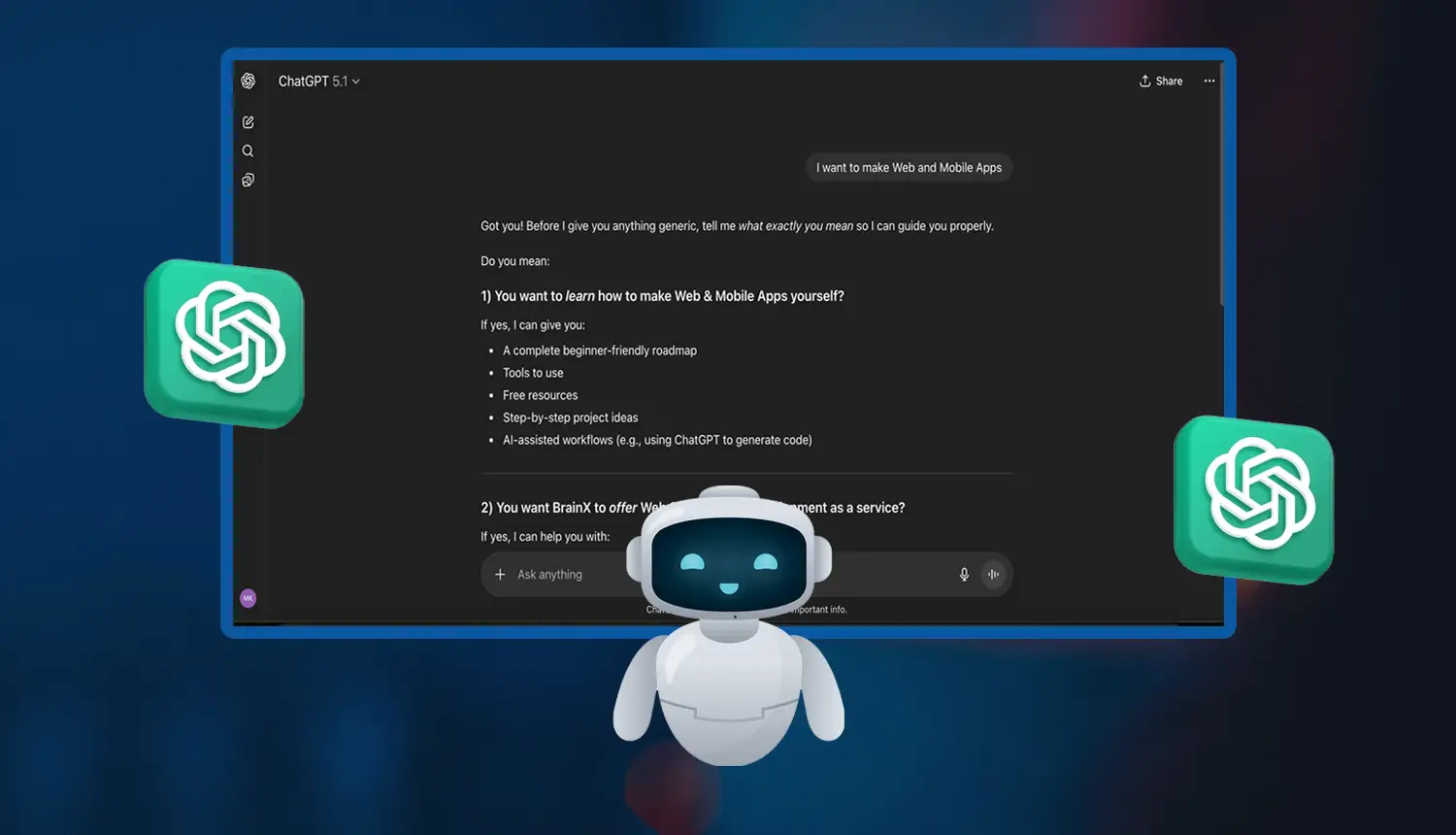

The advent of ChatGPT marked a significant shift in artificial intelligence, but this industry has made its way across multiple fields since then. Besides its previous milestones in computer vision, AI has made breakthroughs in natural language processing (NLP).
Generative AI can understand and generate human language while extending its expertise to diverse data formats such as images, video, software code, and molecular structures.
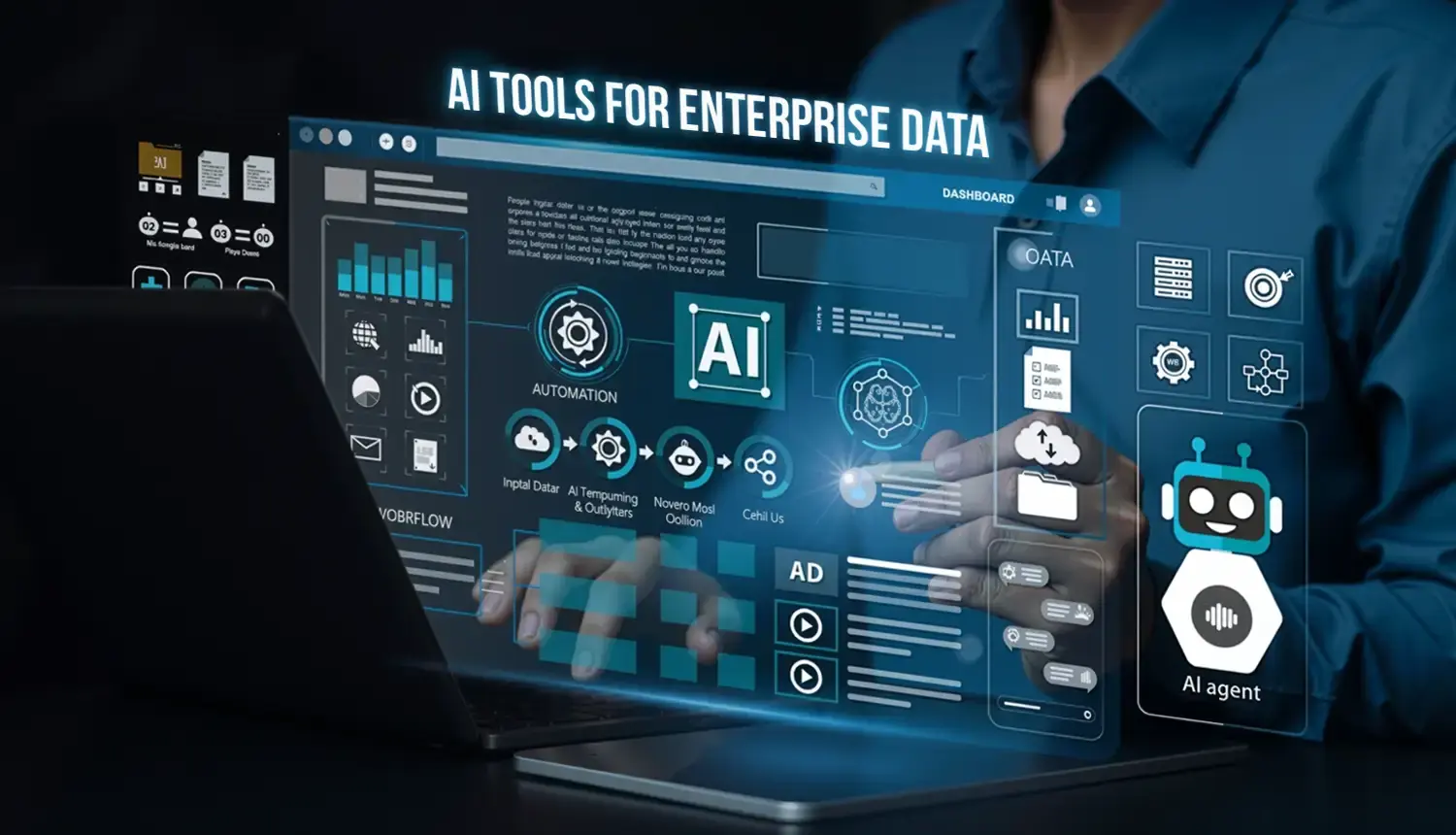
This transformation marks a significant turning point in the tech industry. AI has extensively reshaped the future of software engineering. The census by Statista shows that there will be a surge of $126 billion by 2025. This blog will help you understand the benefits and perspectives of AI in software development to help you innovate and scale better.
What is AI in Software Development?
The Comptia Community has forecasted that the worth of global AI will increase to $407 billion by 2027. AI software development has become essential for enabling developers to perform various complex tasks effectively. Powered by high computational power and data storage capacity,
The procedure of AI software development necessitates integrating artificial intelligence into the core structure of an application. This process is a modern approach to simplify the complex tasks humans have performed in ancient times for problem-solving, reasoning, learning, perception, and language comprehension.
AI Software Development Process
Among the benefits and perspectives of AI in software development, the most prevalent is that it offers the following sequential stages for developers trying to excel in this field.
1. Problem Identification
The initial phase of AI software development involves defining the problem it will address and understand the requirements, objectives & tasks for automation.
2. Data Collection and Preparation
AI algorithms necessitate extensive data for learning and decision-making. Developers must gather, clean, and preprocess data to ensure relevance and quality.
3. Algorithm Selection
Developers must select appropriate AI algorithms, including machine learning, deep learning, and natural language processing, based on the problem and data.
4. Model Training
In this step, developers train the AI model using the prepared data. It involves feeding the data into the model and adjusting its parameters to improve performance.
5. Testing and Evaluation
After training the model, developers test it using separate datasets to evaluate its performance and accuracy. They may need to fine-tune the model or adjust based on the test results.
6. Integration
Once the AI model is trained and tested, it is integrated into the software application. This process involves connecting the model to the application's user interface and backend systems.
7. Deployment and Monitoring
The final step is to deploy the AI-based software into production. Developers must monitor the software's performance and make updates or other required improvements.
Benefits of AI in Software Development
Here are some of the benefits of AI in software development helping it transform industries.
1. Reduction in Human Error
Artificial Intelligence offers a key advantage in its ability to diminish errors while enhancing accuracy and precision. Each decision made by AI is rooted in past data and specific algorithms. With proper programming, these errors can be effectively eliminated.
2. Zero Risks
AI offers a significant advantage in enabling humans to delegate numerous risky tasks to AI robots. From defusing bombs to venturing into space and delving into the deepest ocean depths, machines with metallic bodies possess inherent resilience, allowing them to endure harsh environments. Furthermore, they exhibit precision in their tasks, assuming greater responsibility, and maintaining longevity without succumbing easily to wear and tear.
3. All-Time Availability
Research suggests humans are productive for 3 to 4 hours daily because they need breaks for work-life balance. On the other hand, AI operates tirelessly without breaks, processing information at a much faster rate than humans and executing multiple tasks simultaneously with precision. Furthermore, AI algorithms enable effortless management of tedious, repetitive tasks.
4. Tech Support
Several leading-edge companies leverage digital assistants to interact with users by reducing reliance on human personnel. Numerous websites employ digital assistants to provide requested content, enabling conversational searches. Some chatbots are designed to blur the distinction between human and machine interaction, making it challenging to discern between them.
5. Cost Efficiency
One of the most significant benefits and perspectives of AI in software development is its cost-effectiveness, even when building complex applications. They require fewer resources to complete tasks which saves a significant amount of time and finances. Artificial intelligence allows businesses to emphasize their budget on marketing, research, business development, etc.
6. Gateway to Innovations
The benefits and perspectives of AI in software development are tremendous because it has become the center stage of innovations. For example, while tools like OpenAI's ChatGPT made headlines, the real story is AI quietly taking charge across industries. Now, software infused with AI intelligence is becoming commonplace, impacting our everyday lives.
7. Involvement in Daily Lives
20 years ago could you imagine asking your computer for instructions while planning a trip? Of course not! But all you have to do today is ask Google Maps, Cortana, Alexa, Siri, or OK Google to help you with finding locations, making calls, sending/receiving emails, and capturing/searching pictures. These are just a few examples of how AI-based solutions navigate our everyday lives.
8. Optimized User Experience
Utilizing AI to elevate user experience and customer satisfaction involves using its capabilities to discern trends in user behavior. A prime example is Netflix, which analyzes users’ data to uncover patterns and forecast content preferences. This personalized approach has been pivotal to Netflix's success, enabling it to retain users and attract new ones by delivering tailored recommendations.
9. Advanced Security
Employing AI-powered security solutions empowers companies to fortify their software defenses. These solutions are designed to continuously monitor, detect, and respond to security risks in real-time, bolstering the resilience of software systems.
Examples of AI Transforming Businesses
Artificial intelligence has grown prominent in diverse business functions, from optimizing operations to improving decision-making, offering wide-ranging benefits across industries.
Real-world uses of AI in Ecommerce
Forbes predicts AI e-commerce to hit $16.8 billion by 2030. AI powers personalized marketing, automated customer service, operations, and security. Let's explore its multiple implications in this industry;
1. Tailored Shopping Experiences
AI transforms shopping with personalized experiences. It can connect with machine learning algorithms to tailor product recommendations using browsing history, purchases, and social media.
2. AI Virtual Assistants
These AI VAs act as the initial point of contact for customer queries and offer immediate answers to frequently asked questions regarding products, services, and policies. The main purpose of these assistants is to enhance cost-effectiveness and productivity for businesses through automated replies.
3. Efficient Website Development
AI has the potential to employ the most affordable website builders. It has enabled entrepreneurs to create websites and establish a consistent brand identity without coding knowledge.
4. Prompt Fraud Detection
AI systems analyze purchasing patterns, user behaviors, and transaction data to detect anomalies that could signify fraudulent transactions.
5. Augmented Reality (AR) & Virtual Reality (VR)
Sephora's makeup app allows individuals to virtually test out different makeup products, providing a realistic preview of how specific items like eyeliner or lipstick would appear on them.
Real-World Use Cases of AI in Education
Integrating AI in education is progressively transforming the learning and teaching experiences. AI's implementation in this field encompasses various aspects, such as alleviating administrative tasks, developing interactive educational materials, and customizing individualized learning journeys.
1. Adaptive Learning
AI-driven adaptive learning customizes the educational journey for every student by adjusting content, speed, and challenge levels according to their strengths and weaknesses.
2. Automated Administrative Tasks
AI technology can manage repetitive tasks like grading assignments, monitoring student attendance, and addressing frequently asked questions from students.
3. Assistive Technology
The World Health Organization (WHO) has projected that the demand for assistive technology among individuals with cognitive, sensory, or mobility impairments will reach 3.5 billion by the year 2050. Text-to-speech software powered by AI can assist students with visual impairments, while speech recognition tools can help students with writing difficulties.
Real-World Use Cases of AI in Healthcare
According to Statista’s projection, the global healthcare market will be worth nearly $188 billion by 2030. The influence of artificial intelligence in the healthcare sector is significant and diverse, providing revolutionary progress in diagnosis, drug exploration, and advancement.
1. Testing & Monitoring
AI can analyze medical images like X-rays, MRIs, and CT scans with exceptional precision and speed by utilizing advanced algorithms and deep learning techniques. Paige's advanced AI technology is poised to reveal the most profound mysteries of cancer and introduce a new era of diagnostic instruments that will ultimately preserve lives.
2. Drug Discovery
Software development is advancing the drug discovery and development process in the pharmaceutical industry every day with the help of AI and big data analytics. AIDDISON utilizes AI, machine learning, and Computer-Aided Drug Design (CADD) techniques for the virtual screening of extensive chemical spaces and provides tools for discovery and optimization.
Real-World Use Cases of AI in Finance
The benefits and perspectives of AI in software development are leading the way in financial innovation, such as using sophisticated fraud detection methods to outwit scammers, etc.
1. Fraud Detection
AI software development has changed the way of fraud detection. It can process & analyze transaction location, amount, frequency, and merchant type, to build a comprehensive understanding of normal customer behavior.
2. Risk Evaluation
AI and big data enhance loan approval by analyzing multiple factors beyond credit scores, like income stability and spending habits. They enable comprehensive financial assessments, benefiting individuals and companies in various financial endeavors.
Perspectives of AI in Software Development
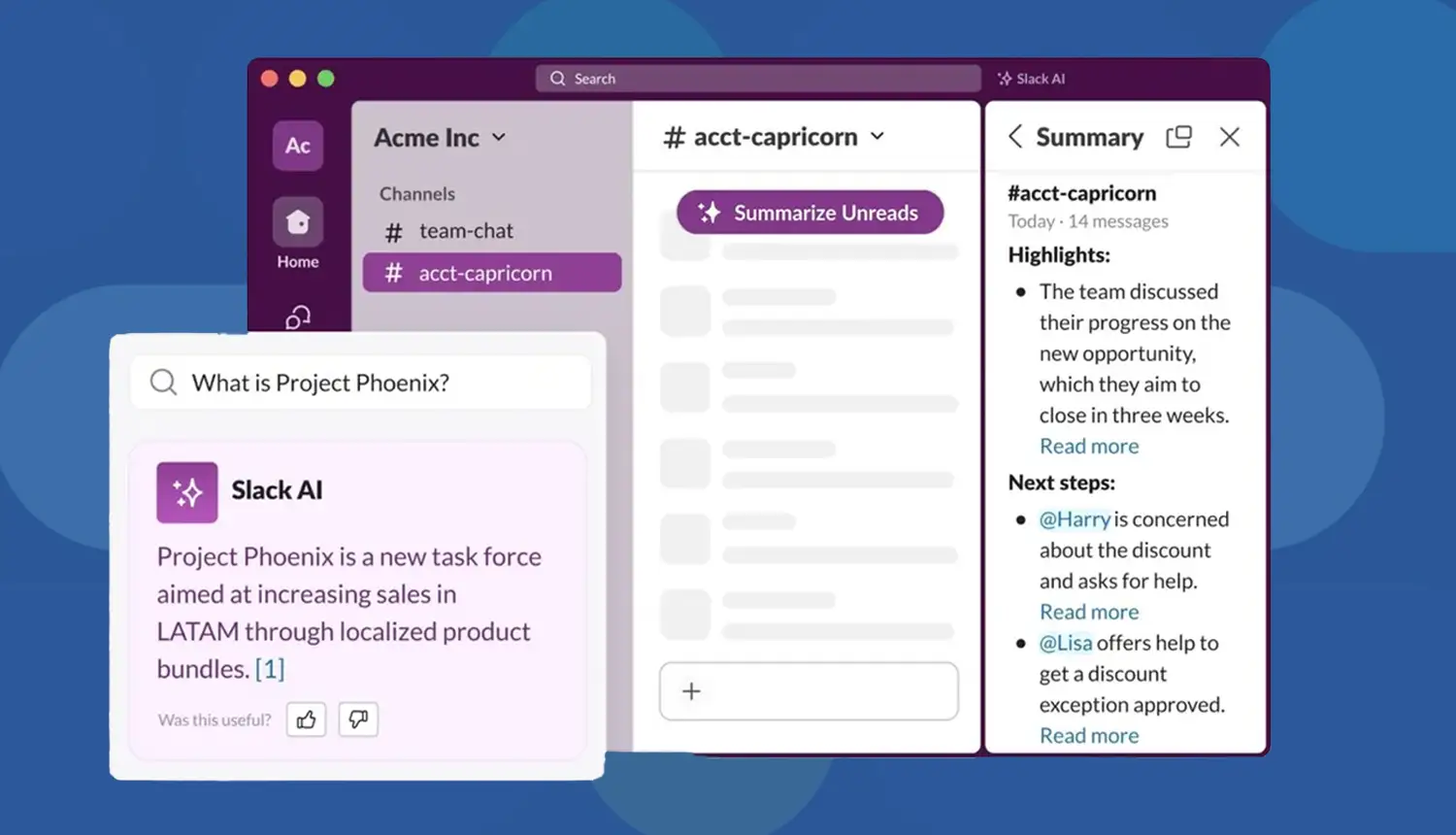
- AI developers can automate specific tasks throughout the software development lifecycle. These tasks encompass code refactoring, bug resolution, testing, and deployment. Integrating automation can significantly enhance the efficiency and precision of the development process.
- AI software works better via machine learning, swiftly recognizing data patterns, and surpassing human abilities. User interactions fuel their evolution, making them smarter over time.
- AI-driven systems can interpret natural language and transform it into code. This allows developers to interact with software more intuitively either through voice commands or text input.
- AI can analyze user data and make predictions about future trends or behaviors. This empowers developers to design and develop highly efficient applications customized to meet the specific user’s needs.
AI Tools Gaining Popularity Among Web Developers in 2024
Copilot by GitHub
The main objective of this AI tool is to finish programming tasks. The tool was programmed using the Codex framework, which involved billions of lines of code. Its main functionalities consist of IDE integration, code completion, and test writing capabilities.
TabNine
TabNine is an AI coding tool that adapts to the given codebase by producing precise and contextually appropriate recommendations. It can generate extensive code blocks as well as individual lines of code. Notable features of TabNine include seamless integration with IDEs, efficient code completion, and a convenient link to the code repository.
CodeWhisperer by Amazon
The CodeWhisperer serves as a programming tool that is assisted by artificial intelligence. It offers several notable features, such as seamless integration with IDE, efficient code completion, and a convenient link to the repository where the code is stored.
Challenges of Utilizing AI in Software Development
- AI is an advanced instrument with the capability to execute numerous tasks. Nevertheless, to harness its complete potential, it necessitates the expertise and experience of a specialist. The primary prerequisite lies in the proficiency to articulate all input parameters accurately.
- A software development company must make significant investments in high-quality hardware. Upgrading equipment typically leads to improved performance of AI systems, resulting in accelerated project completion and shorter time-to-market for the final product.
- Professional tools in the software development industry are known for their high price tags. Cutting-edge AI and ML solutions come with a substantial cost for commercial usage. Nevertheless, these expenses are justifiable and reasonable. The efficiency and effectiveness of AI coding tools enable them to quickly recoup their initial investment, especially when utilized by proficient software engineers.
BrainX is Your Trusted Partner for AI Software Development
At BrainX Technologies, we specialize in providing comprehensive guidance to businesses throughout the intricate AI software development process. We combine cutting-edge technology and a customer-centric approach for customizing AI-enabled software solutions that align with your business goals. Our skilled team uses their profound understanding of artificial intelligence to execute your ideas for better growth, scalability, and innovation.